
How to Frag LPS Corals: Splitting Torch, Hammer and Frogspawn
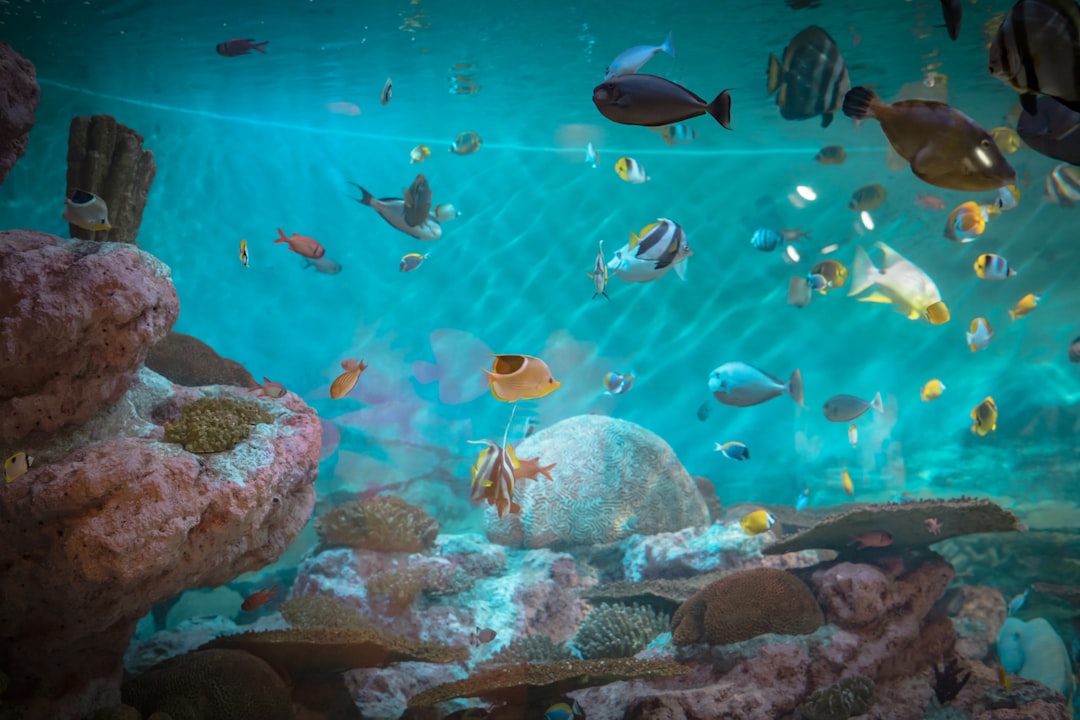
Large polyp stony corals are among the most popular reef inhabitants in Singapore, and learning how to frag LPS corals opens up a world of trading, sharing, and growing your collection without buying new pieces. At Gensou Aquascaping, 5 Everton Park, Singapore, we have split hundreds of Euphyllia colonies over the past two decades and developed reliable methods that keep both parent and frag thriving.
Why LPS Fragging Differs From SPS
LPS corals have thicker, fleshier tissue and larger skeletal structures compared to small polyp stony corals. This means cuts need to be more precise, and recovery times tend to be longer. A poorly placed cut through living tissue can cause bacterial infections that spread rapidly in warm tropical water. The payoff, however, is substantial: a single multi-headed torch coral worth $200 SGD can yield three or four frags, each worth $50-80 SGD once grown out.
Tools for the Job
For branching Euphyllia species like torch (Euphyllia glabrescens), hammer (Euphyllia ancora), and frogspawn (Euphyllia divisa), you need a Dremel rotary tool with a diamond cutting disc. Bone cutters work in a pinch for thin branches but risk crushing the skeleton and damaging tissue. Keep a bowl of tank water nearby, along with coral glue, frag plugs, safety goggles, and iodine dip solution. Wear gloves as well; some LPS species can sting, and Euphyllia sweeper tentacles are surprisingly potent.
Identifying the Right Cut Point
Branching Euphyllia colonies have a clear Y-shaped branching pattern. The ideal cut point sits at least 1.5 cm below where two heads diverge. At this location, each resulting piece retains its own head and enough skeleton to mount on a plug. Never cut through the fleshy polyp tissue itself. If the branch does not offer a clean skeletal section between heads, wait for further growth before attempting the frag.
Making the Cut
Turn off all flow in your tank. Remove the colony and place it in a shallow tray of tank water. Using your Dremel at medium speed, score a line around the branch at your chosen point, rotating the colony rather than the tool. Let the disc do the work without applying heavy pressure. Skeletal dust will cloud the water, so have a second container of clean saltwater ready for rinsing. Once the score is deep enough, you can snap the branch cleanly by hand. The entire cutting process should take under 30 seconds per head to minimise stress.
Handling Wall-Type LPS
Not all LPS are branching. Wall corals such as Trachyphyllia and brain corals present a different challenge. These are best split using a band saw or by carefully scoring along a natural skeletal seam with a Dremel. Wall-type frags need extra recovery time because the cut exposes more tissue surface area. In most cases, hobbyists are better off leaving wall corals intact unless the colony is very large or partially dying and you wish to salvage a healthy section.
Mounting and Recovery
Dry the cut end briefly and glue the frag to a plug or piece of live rock rubble. Place it in a low-to-moderate flow area with indirect lighting for the first week. Euphyllia frags typically begin extending their tentacles within 48 hours if the cut was clean. Full skeletal encrustation over the exposed bone takes four to six weeks in a healthy system. Maintain stable parameters during recovery: salinity at 1.025, alkalinity around 8 dKH, and temperature at a steady 25-26 degrees Celsius. Singapore’s ambient heat means your chiller must be reliable throughout this period.
Preventing Infection After Fragging
Brown jelly disease is the biggest threat to freshly fragged LPS. This bacterial infection appears as a brown, gelatinous slime on exposed tissue and can consume an entire head within hours. Dipping frags in an iodine solution like Lugol’s for five minutes immediately after cutting reduces infection risk significantly. If brown jelly appears despite precautions, remove the affected frag immediately, scrub away all infected tissue with a soft toothbrush, and re-dip. Isolation in a quarantine container prevents the pathogen from reaching other corals.
Growing Out Your Frags
Once healed, Euphyllia frags grow steadily and often produce new heads within two to three months. Feed them small meaty foods like mysis shrimp or enriched brine shrimp two to three times a week to accelerate growth. Many Singapore reefers sell grown-out frags on Carousell or through local reef club group buys, turning a productive colony into a self-sustaining hobby. With patience and proper technique, a single mother colony can supply frags for years.
Related Reading
- How to Frag SPS Corals: Cutting Acropora and Montipora Safely
- How to Aquascape a Mixed Reef: LPS and SPS Placement Strategy
- How to Set Up a Coral Frag Grow-Out Tank: Layout for Propagation
- How to Set Up a Coral Frag Grow-Out Tank: Light, Flow and Racking
- Best LPS Corals for Beginners Ranked: Easiest to Hardest



