Best LPS Corals for Beginners Ranked: Easiest to Hardest
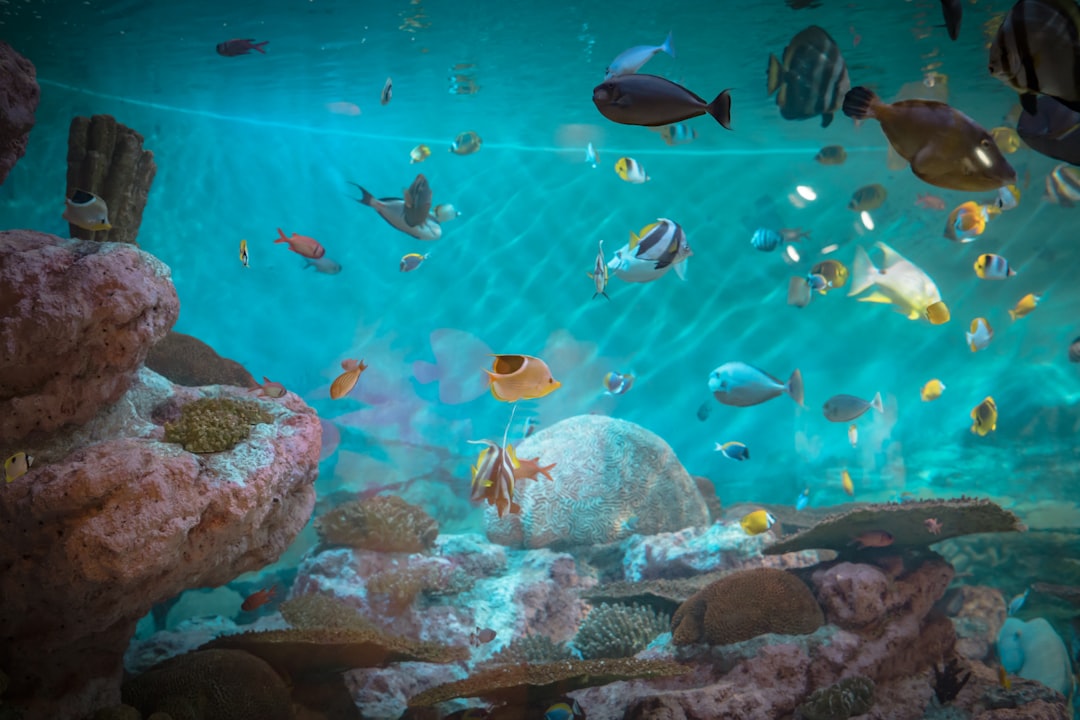
Large polyp stony corals bridge the gap between forgiving soft corals and demanding SPS species. This best LPS corals beginners ranked guide orders the most accessible species so you can build confidence before moving up the difficulty ladder. Gensou Aquascaping Singapore has guided countless hobbyists through their first LPS purchases, and the species below consistently reward stable care with vibrant growth. This guide sits inside our broader Saltwater Reef Tank Master Guide reference.
1. Duncan Coral (Duncanopsammia axifuga)
Duncans are arguably the easiest LPS coral available. They tolerate low to moderate light, accept a wide flow range, and respond enthusiastically to target feeding with small meaty foods. New heads appear regularly in healthy colonies, and a single frag can develop into a sizeable cluster within a year. Duncans are widely stocked in Singapore, priced between $15 and $35 SGD for a multi-head frag. They rarely sting neighbours, making placement simple.
2. Hammer Coral (Euphyllia ancora)
Hammer corals produce flowing, T-shaped tentacles that create striking movement in a reef. They prefer moderate light and moderate indirect flow — direct powerhead blasts can damage the delicate tissue. Hammers have moderate sting capability and need 15 cm of clearance from other corals. They respond well to weekly target feeding with mysis shrimp. Expect to pay $25 to $60 SGD for a healthy head in Singapore shops, with gold and branching varieties commanding higher prices.
3. Torch Coral (Euphyllia glabrescens)
The torch coral sits slightly above the hammer in difficulty because its long sweeper tentacles are more aggressive, reaching up to 15 cm at night. This demands careful placement with generous spacing. Otherwise, torch corals share similar light and flow requirements with other Euphyllia. They are available in a wide colour range — green, gold, holy grail, and dragon soul morphs are all popular among Singapore collectors. Frags range from $30 to over $200 SGD for rare varieties.
4. Frogspawn Coral (Euphyllia divisa)
Frogspawn completes the Euphyllia trio with its distinctive bubble-tipped tentacles. Care mirrors that of hammer and torch corals, but frogspawn can be slightly more sensitive to alkalinity swings. Maintain alkalinity between 8 and 9 dKH and avoid sudden changes of more than 0.5 dKH per day. Branching frogspawn varieties grow faster and frag more easily than wall varieties. Pricing in Singapore sits between $25 and $50 SGD for standard colours.
5. Candy Cane Coral (Caulastrea furcata)
Candy cane corals are compact, branching LPS with small round heads that resemble trumpet bells. They tolerate lower light levels than most LPS and have minimal sting, making them excellent neighbours. Growth is steady rather than fast — expect a new head every two to three months under good conditions. They appreciate occasional target feeding but do not demand it. Frags cost $12 to $25 SGD for three to five heads.
6. Bubble Coral (Plerogyra sinuosa)
Bubble corals inflate large, grape-like vesicles during the day and extend potent sweeper tentacles at night. This dual nature means they need ample space — at least 20 cm clearance from neighbours. They prefer low to moderate light and sheltered flow. Their skeleton is fragile and can crack during shipping, so inspect specimens carefully before purchasing. Bubble corals reward target feeding with rapid tissue expansion. Prices typically range from $25 to $45 SGD in Singapore.
7. Acan Lords (Micromussa lordhowensis)
Acans are prized for their vivid colour combinations — red, green, purple, orange, and rainbow morphs are all available. They prefer lower light and gentle flow, thriving on the sand bed or lower rockwork. Acans are enthusiastic feeders and will visibly grab food with their polyps during night-time target feeding sessions. They rank higher in difficulty because they are sensitive to high nitrates and phosphate, and aggressive neighbours can cause tissue recession. Standard frags cost $20 to $40 SGD, with rainbow specimens fetching considerably more at local shops around Serangoon North.
General LPS Care Principles
Stable alkalinity is the single most important parameter for LPS health. Test at least twice weekly and dose two-part solutions or a calcium reactor to maintain 8 to 9 dKH without sudden swings. Keep calcium at 400 to 450 ppm and magnesium at 1250 to 1350 ppm. Most LPS benefit from weekly target feeding with mysis, brine shrimp, or powdered coral foods. In Singapore’s HDB flats, where evaporation is significant due to ambient heat, an auto top-off system prevents salinity creep that stresses LPS tissue.
Related Reading
Hammer Coral Euphyllia Care Guide
Torch Coral Euphyllia Care Guide