
How to Build a Paludarium: Combining Land and Water in One Tank
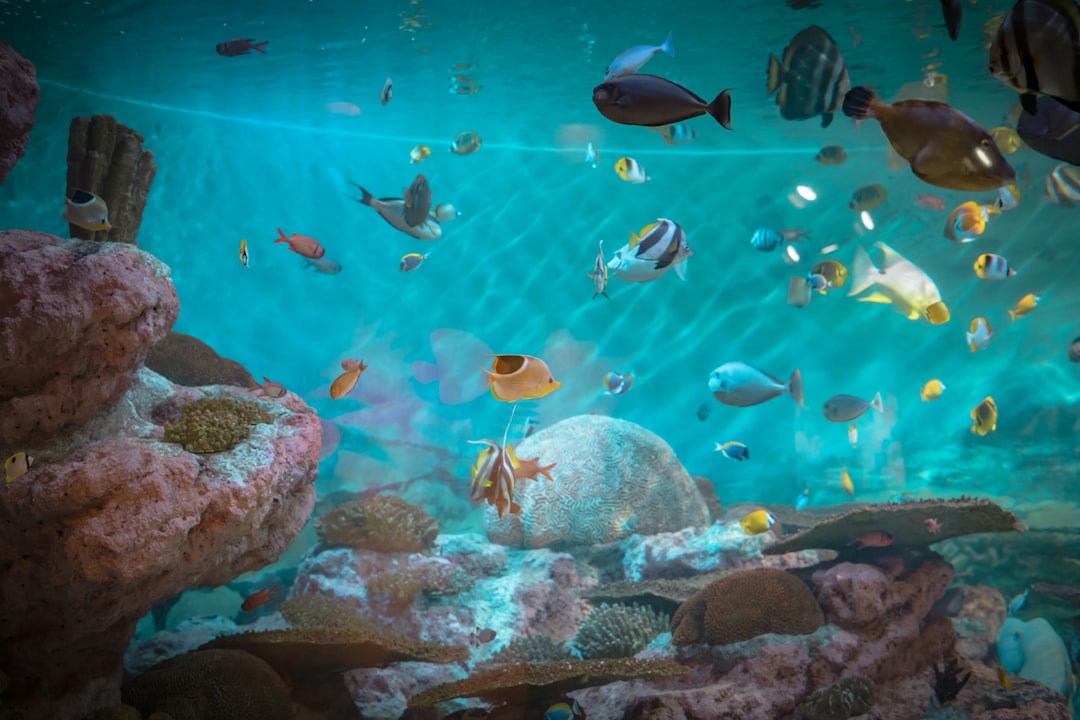
A paludarium merges the lush greenery of a terrarium with the aquatic life of an aquarium, creating a miniature ecosystem that showcases both worlds in a single enclosure. This how to build paludarium guide from Gensou Aquascaping, 5 Everton Park, Singapore, walks you through planning, construction, and stocking a setup that thrives in our tropical climate. Singapore’s natural humidity of 70 to 90 per cent actually gives paludarium builders a significant advantage — many emersed plants that struggle in drier climates flourish here without supplemental misting.
Planning Your Layout
Before buying materials, sketch your land-to-water ratio. A 60:40 split with the land section at the back and water at the front works well for beginners, providing visible aquatic space while offering generous planting area above the waterline. Decide whether you want a waterfall feature, a stream connecting upper and lower pools, or a simple shoreline transition. Tanks with front-opening doors — commonly sold as reptile enclosures — make planting and maintenance far easier than top-opening aquariums. A 60 by 45 by 60 cm tank suits a first paludarium nicely.
Building the Land Structure
Expanding foam sprayed over an egg-crate frame creates the foundation of your land area. Cut the egg-crate (light diffuser panel from hardware stores, around $8 SGD per sheet) to form shelves and slopes, securing pieces with cable ties. Apply polyurethane expanding foam over the frame in layers, allowing each layer to cure before adding the next. Once fully cured, carve the foam into natural contours with a bread knife. Coat the carved surface with aquarium-safe silicone, then press a mixture of coco fibre, peat moss, and sphagnum moss into the wet silicone. This creates a living surface that retains moisture and supports root growth.
Water Section and Filtration
The aquatic portion functions like a standard aquarium. Use an internal filter or a small canister filter with the intake placed in the deepest point of the water section. If your design includes a waterfall, the filter return line can feed it — a 12 mm tube routed behind the land structure and emerging at the top produces a gentle cascade. Keep the water level below the land platform to prevent substrate from becoming waterlogged. A water depth of 15 to 20 cm accommodates small fish and shrimp comfortably.
Choosing Emersed Plants
Many popular aquarium plants grow beautifully in emersed form above the waterline. Anubias barteri, Bucephalandra species, and various ferns attach to hardscape and tolerate the transition zone between water and air. For the terrestrial section, tropical mosses, Fittonia, miniature orchids, and creeping figs provide lush coverage. Hydrocotyle tripartita works as a ground cover that spreads across both wet and damp zones. Visit nurseries at Thomson Road for affordable tropical plants suited to paludarium use — many houseplants adapt well to high-humidity enclosures.
Stocking the Aquatic Section
Small, peaceful fish suit the limited water volume of most paludariums. Endler livebearers, ember tetras (Hyphessobrycon amandae), and chili rasboras (Boraras brigittae) thrive in warm, soft water and stay small enough for a 15 to 20-litre aquatic section. Neocaridina shrimp add colour and serve as an efficient cleanup crew. Avoid species that jump — open-top paludariums lose jumpers quickly. If your design has an open water surface, a mesh cover or floating plants like Salvinia reduce escape attempts.
Lighting for Dual Environments
Emersed plants and terrestrial mosses need moderate to high light. An LED fixture rated for planted aquariums works well when mounted above the open top, providing both aquatic and terrestrial illumination. Run lights on a 10-hour cycle with a gradual ramp-up and ramp-down to simulate natural daylight. If algae becomes a problem in the water section, reduce the photoperiod by one hour or add floating plants to shade the water surface. Grow lights designed for houseplants offer an affordable alternative to aquarium-specific LEDs for the terrestrial section.
Maintenance Routine
Weekly top-ups replace water lost to evaporation — in Singapore’s heat, expect to add 1 to 2 litres per week for a 60 cm paludarium. Use dechlorinated PUB tap water for topping up and perform a 20 per cent water change fortnightly to manage nutrients. Trim emersed plants regularly to prevent them from blocking light to the aquatic section below. Remove dead leaves promptly, as decaying plant matter in the small water volume spikes ammonia quickly. Misting is rarely necessary in Singapore’s humidity, but during prolonged dry spells from air conditioning, a light mist every few days keeps mosses vibrant. A well-maintained paludarium becomes a self-sustaining slice of tropical rainforest that brings genuine natural beauty into any living space.
Related Reading
- How to Build a Garden Pond in Singapore: Planning, Lining and Filling
- Paludarium Build Guide: Step-by-Step Half-Land Half-Water Setup
- Active vs Inert Substrate: Which Is Right for Your Planted Tank?
- ADA Fertiliser System Guide: Brighty K, Green Brighty and Step Series
- Advanced Shrimp Selective Breeding: Line Breeding, Culling and Colour Fixing

emilynakatani
Still Have Questions About Your Tank?
Drop by Gensou Aquascaping — most walk-in questions get answered in under 10 minutes by someone who has set up hundreds of tanks.
5 Everton Park #01-34B, Singapore 080005 · Open daily 11am – 8pm


