
Best Wavemakers for Reef Aquariums: Flow Patterns and Placement
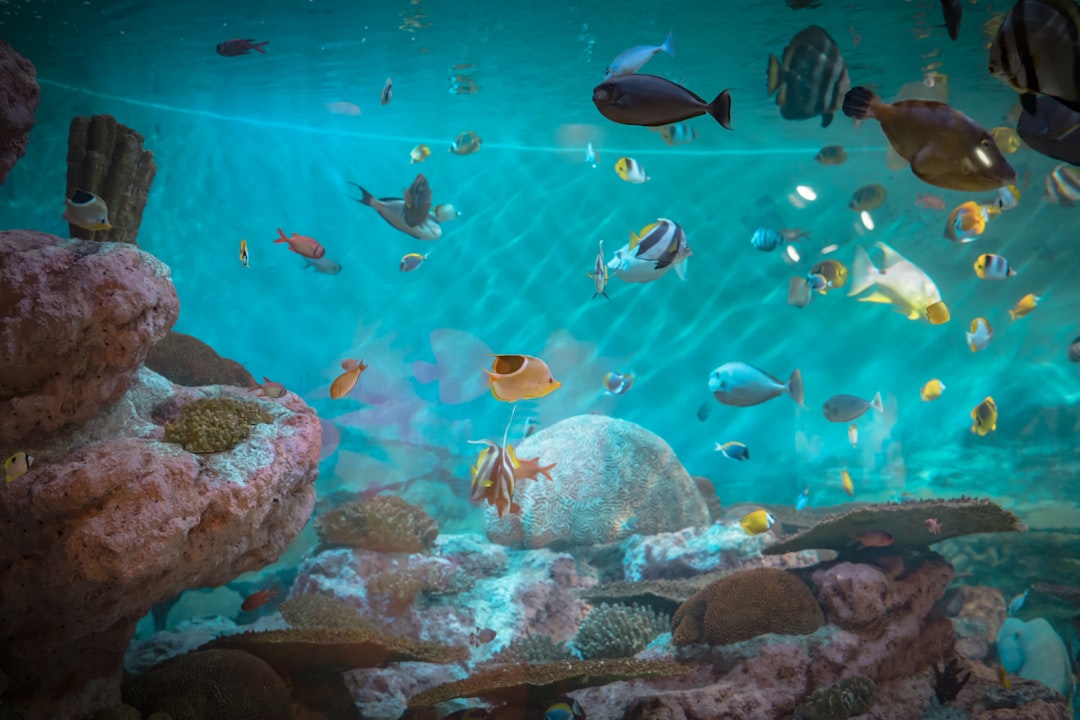
Water movement shapes every aspect of reef health, from coral feeding and gas exchange to waste transport and temperature distribution. Choosing the best wavemaker reef aquarium setup means understanding how different flow patterns serve different coral types and tank layouts. This guide from Gensou Aquascaping at 5 Everton Park, Singapore breaks down the leading wavemaker options and how to position them for optimal results in tropical reef systems.
Why Flow Matters in a Reef
Corals rely on water movement to deliver food particles, remove metabolic waste and supply dissolved gases across their tissue surfaces. Insufficient flow leads to dead spots where detritus accumulates, encouraging nuisance algae and cyanobacteria. Excessive unidirectional flow damages delicate coral tissue and prevents polyp extension. The goal is turbulent, randomised flow that mimics natural reef conditions, where waves, currents and surge create constantly changing water movement patterns across the reef structure.
Types of Flow Patterns
Modern wavemakers offer several programmable modes. Constant flow provides steady output suitable for fish-only tanks. Pulse mode alternates between high and low output at set intervals, creating gentle surging movement ideal for soft corals and LPS. Wave mode ramps power up and down in a sinusoidal pattern, simulating natural wave action. Random mode varies speed unpredictably, producing the turbulent conditions SPS corals thrive under. Most premium wavemakers allow custom programming to combine these patterns.
Budget Wavemakers Under $80 SGD
The Jebao SOW and SLW series deliver impressive flow rates for their price, starting at $35-$60 SGD depending on model. Wi-Fi control via smartphone app adds convenience, though the apps can be unreliable. Flow adjustability from 30 to 100 per cent suits tanks from 100 to 400 litres. Build quality has improved significantly in recent generations, with magnetic mounts now strong enough for 12 mm glass. For budget-conscious Singapore reefers starting their first reef tank, Jebao wavemakers offer genuine value.
Mid-Range Options
EcoTech Marine Vortech MP10 and MP40 pumps dominate the mid-range at $250-$500 SGD. Their wet-side/dry-side magnetic coupling eliminates the need for power cords inside the tank, reducing salt creep and improving aesthetics. The EcoSmart driver provides sophisticated wave algorithms including reef crest, lagoon and tidal swell modes. Tunze Turbelle nanostream and stream series offer German engineering at similar price points with exceptionally quiet operation, an important consideration in Singapore’s compact living spaces.
Premium Flow Systems
For tanks exceeding 400 litres or demanding SPS-dominated setups, the Maxspect Gyre series and EcoTech MP60 deliver high-volume laminar flow that covers large areas efficiently. Gyres produce a wide, flat flow pattern rather than a concentrated jet, reducing dead spots across long aquariums. The IceCap Gyre at $180-$250 SGD offers a more affordable entry point to gyre-style flow. Pairing two smaller wavemakers on opposing walls often outperforms a single large unit by creating better cross-tank turbulence.
Placement Strategies
Position wavemakers on opposite walls pointing slightly toward each other for colliding flow patterns. Aim above the rockwork to push water across coral canopies rather than directly into colony bases. In a standard 4-foot tank, two wavemakers placed at the upper third of the rear and side glass panels create effective random turbulence when programmed to alternate. Avoid pointing flow directly at the sand bed, which creates sandstorms and irritates burrowing invertebrates. Adjust placement after observing coral polyp extension and detritus accumulation patterns over the first week.
Flow Rates by Coral Type
SPS corals such as Acropora and Montipora require high, turbulent flow of 40-80 times the tank volume per hour. LPS corals including torches, hammers and bubble corals prefer moderate flow of 20-40 times turnover. Soft corals and mushrooms tolerate lower flow of 15-25 times turnover. A mixed reef tank should create zones of varying flow intensity through strategic wavemaker placement, allowing you to position different coral types in their preferred flow regime.
Maintenance and Longevity
Clean wavemaker impellers and housings every three months to prevent coralline algae buildup that reduces output and increases noise. Soak components in a 50-50 vinegar and RODI water solution for 30 minutes, then scrub with a soft brush. Check magnetic mounts for slippage, especially on tanks with glass thicker than 12 mm. Replace worn impeller bearings when noise increases, typically every two to three years. Well-maintained wavemakers last five years or more, making them one of the better long-term investments in reef equipment.
Related Reading



