
Famous Aquascapers and Their Signature Styles: Amano, Farmer and Beyond
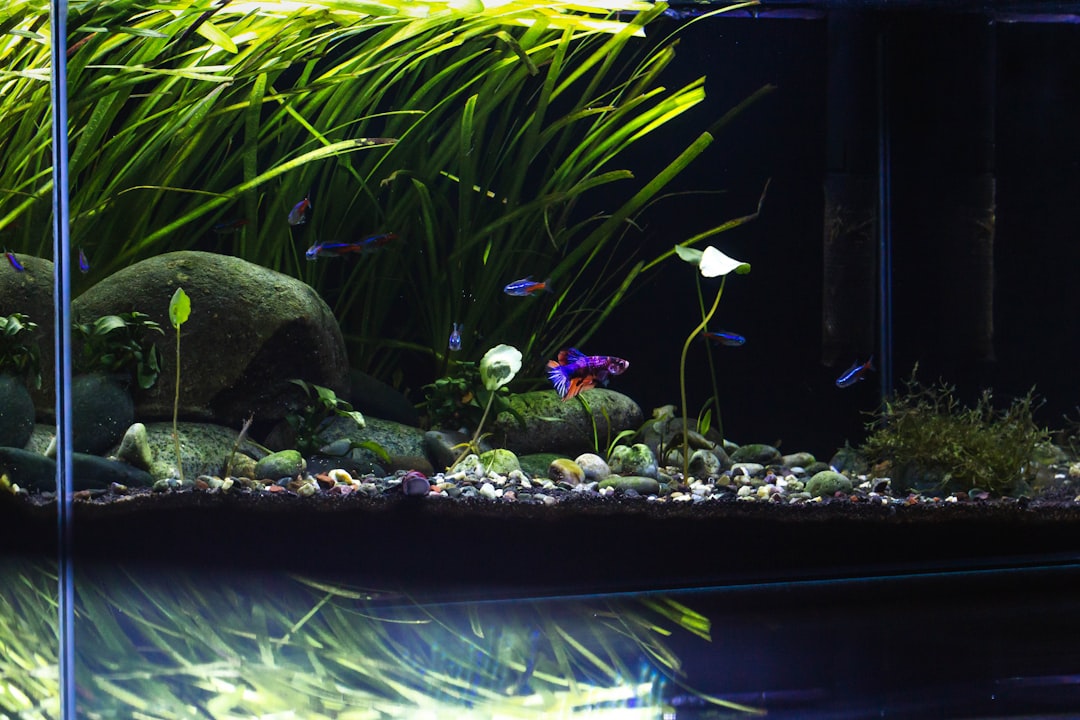
Aquascaping as an art form has been shaped by a handful of visionary practitioners whose work defined entire genres. Understanding famous aquascapers signature styles gives hobbyists a creative vocabulary to draw from and the confidence to develop a personal aesthetic. At Gensou Aquascaping, 5 Everton Park, Singapore, we have drawn inspiration from these masters for over 20 years and believe studying their work is one of the fastest ways to elevate your own layouts. This guide sits inside our broader Aquascaping Styles Design Hub reference.
Takashi Amano: The Father of Nature Aquarium
No discussion of aquascaping begins without Takashi Amano. The Japanese photographer and aquascaper founded Aqua Design Amano (ADA) in 1982 and created the Nature Aquarium concept, which applies principles of Japanese gardening and wabi-sabi to the planted aquarium. His layouts often featured Iwagumi arrangements, carefully placed stones in odd-numbered groupings atop low carpets of Glossostigma elatinoides or Riccia fluitans, evoking mountain landscapes in miniature.
Amano also popularised the use of Caridina multidentata (Amano shrimp) as algae-eating maintenance crew and championed CO2 injection as an essential tool for plant growth. His passing in 2015 left a void, but his influence permeates every modern aquascape.
George Farmer: Accessible Artistry
British aquascaper George Farmer brought aquascaping to a wider audience through his YouTube channel, magazine columns and social media presence. His style blends nature aquarium principles with a practical, achievable approach. Farmer frequently demonstrates that stunning layouts do not require enormous budgets or exotic materials. His use of locally foraged wood, simple plant palettes and clear, step-by-step explanations has inspired a generation of hobbyists to attempt their first serious aquascape.
Filipe Oliveira: Diorama Mastery
Portuguese aquascaper Filipe Oliveira has dominated the IAPLC top rankings with breathtaking diorama-style layouts. His entries create illusions of vast landscapes, complete with pathways, tree canopies built from carefully trimmed moss on branching wood, and distant mountain ridges sculpted from substrate. Oliveira’s attention to perspective is extraordinary; foreground elements are proportionally larger, and background textures are finer, tricking the viewer’s eye into perceiving depth far beyond the physical dimensions of the tank.
Josh Sim: Southeast Asian Innovation
Closer to home, Malaysian aquascaper Josh Sim has earned consistently high IAPLC rankings and is well known in the Southeast Asian community. His work often draws on tropical forest imagery, moss-draped roots and densely planted undergrowth, reflecting the lush environments of our region. Sim’s success demonstrates that aquascapers from this part of the world can compete at the highest level, and Singapore hobbyists have the advantage of similar climate conditions and access to the same plant species.
Oliver Knott: Boldness and Colour
German aquascaper Oliver Knott is recognised for his bold use of colour and dynamic hardscape arrangements. Where Amano favoured restraint, Knott embraces contrast: vivid red Rotala against bright green Hemianthus, dramatic driftwood arches, and unconventional layouts that challenge traditional composition rules. His demonstration scapes at trade shows, including Aquarama in Singapore, showcased an energetic, almost improvisational approach that proved beautiful aquascapes can emerge from spontaneity as much as meticulous planning.
The Dutch School
Before nature aquarium existed, the Dutch style of planted tank reigned. Rather than mimicking a landscape, Dutch aquascaping treats the tank as a garden, with densely planted rows and groups arranged by colour, leaf shape and height. Strict rules govern the placement of focal-point plants (called “streets”), and variety is prized over simplicity. Though fewer competitive contests focus on Dutch style today, its principles of colour theory and spatial planning remain invaluable to any aquascaper.
Finding Your Own Voice
Studying the masters is essential, but imitating them indefinitely leads to derivative work. Use their techniques as a foundation: Amano’s restraint, Farmer’s practicality, Oliveira’s depth illusion, Knott’s colour boldness. Then experiment. Combine approaches, incorporate hardscape native to your region, and draw inspiration from the tropical landscapes you see outside your window in Singapore. The most compelling aquascapes are those that reflect the personality and environment of their creator.
Continuing the Tradition
The aquascaping community grows each year, and new voices from Asia, South America and Africa are reshaping what the art can be. Attend local meetups, follow international contests, and share your own work for critique. At Gensou Aquascaping, we encourage every hobbyist to study the greats, learn the rules and then have the courage to break them in pursuit of something original.
Related Reading
- AGA Aquascaping Contest Guide: Categories, Rules and Judging Criteria
- Best All-in-One Reef Tanks Compared: Fluval, Red Sea and Waterbox
- Aquarium and Cats: How to Keep Both Safely in Your Home
- Aquarium as Home Décor: Placement, Styles and Design Tips
- Aquarium Automation on a Budget: DIY Smart Tank With Arduino and ESP32



