
Pico Reef Tank Setup Guide: Stunning Saltwater Under 20 Litres
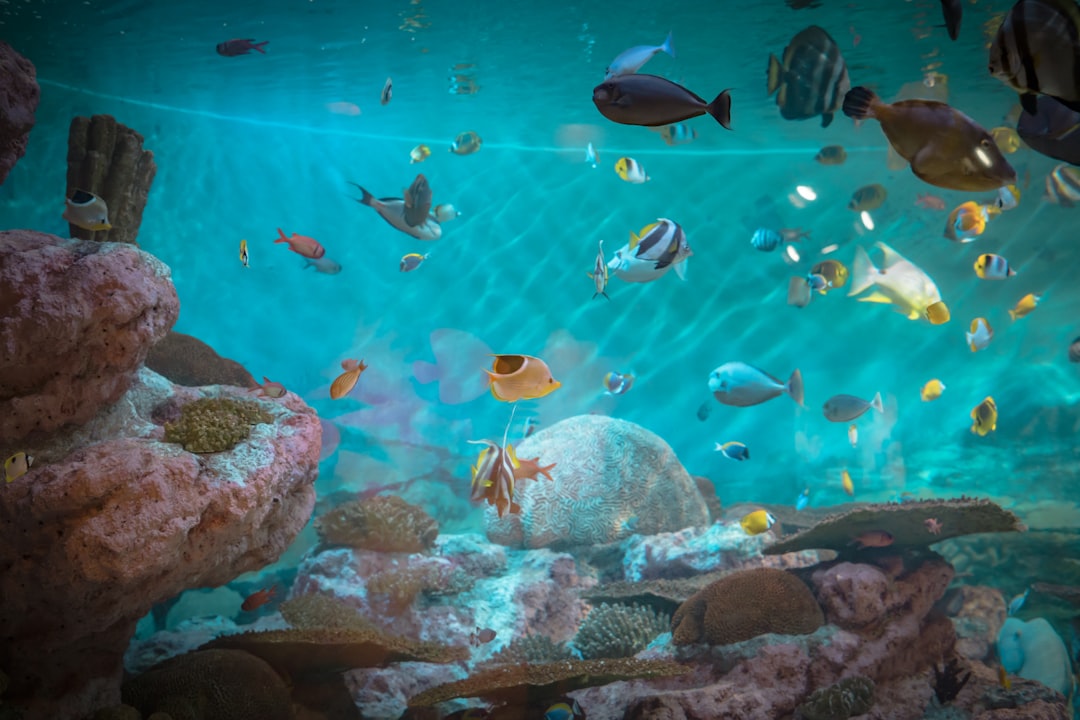
A thriving reef aquarium does not require a massive tank or an equally massive budget. Pico reefs — saltwater systems under 20 litres — pack astonishing colour and complexity into a footprint that fits on a desk or bookshelf. They demand precision and discipline, but the rewards are extraordinary for hobbyists willing to commit to consistent maintenance. This pico reef tank setup guide from Gensou Aquascaping at 5 Everton Park, Singapore draws on over 20 years of reef experience to show you how to build a miniature marine ecosystem that genuinely thrives. This guide sits inside our broader Saltwater Reef Tank Master Guide reference.
Choosing the Right Tank
For a pico reef, aim for a tank volume between 10 and 19 litres. Smaller than 10 litres and parameter stability becomes nearly impossible to maintain; larger and you are entering nano territory. Glass cubes in the 10-15 litre range work well, offering clean sightlines and adequate surface area for gas exchange. All-in-one pico tanks with built-in rear chambers for filtration, such as the Innovative Marine Nuvo series or the Waterbox Cube, simplify plumbing but cost $80-150 SGD. A simple glass cube with external equipment achieves the same results at lower cost.
Essential Equipment
Despite the small size, a pico reef needs proper equipment. A compact LED light capable of supporting coral growth is critical — units from AI Prime, Kessil A80 or the Nemo Light offer adjustable spectrum and intensity suitable for pico volumes. A small heater (25-50W) maintains stable temperature, though in Singapore’s warm climate you may need a USB cooling fan instead to prevent overheating above 27°C. A miniature return pump or powerhead provides circulation. An auto top-off system, even a simple gravity-fed design, is practically mandatory — evaporation in a 15-litre tank can shift salinity dangerously within a single day.
Live Rock and Cycling
Use 1-2 kg of quality live rock or dry rock seeded with a small piece of cured live rock. Avoid overcrowding the tank with rock; negative space is important both aesthetically and for water volume. Cycle the tank for four to six weeks, testing ammonia, nitrite and nitrate weekly. In a pico system, beneficial bacteria colonise quickly due to the small water volume, but patience during cycling prevents livestock losses. Add a pinch of fish food or a raw prawn piece to kickstart the ammonia source.
Coral Selection for Pico Reefs
Soft corals and LPS species are the safest choices for pico systems. Zoanthids, mushroom corals (Rhodactis, Discosoma), green star polyps and xenia tolerate the minor parameter fluctuations inherent in small volumes. Small LPS colonies like candy cane coral (Caulastrea furcata), trumpet coral and hammer coral (Euphyllia ancora) add movement and visual impact. SPS corals are possible but unforgiving in pico volumes — reserve them until you have mastered stability. Stick to three or four coral species initially rather than cramming in every variety available.
Livestock Limits
Fish stocking in a pico reef is severely limited. A single small goby — a yellow clown goby (Gobiodon okinawae), eviota goby or neon goby — is the maximum for most pico tanks. Some hobbyists successfully keep a pair of sexy shrimp (Thor amboinensis) or a single porcelain crab instead of fish. Snails such as cerith, nassarius and small trochus provide clean-up crew duties without overloading bioload. Resist the temptation to add more livestock; overstocking a pico reef is the fastest path to a crash.
Water Changes and Maintenance
Frequent, small water changes are the backbone of pico reef success. Replace 20-30% of the water twice weekly using pre-mixed saltwater matched to your tank’s salinity (1.024-1.026 specific gravity) and temperature. This aggressive water change schedule dilutes accumulated waste and replenishes trace elements without the need for dosing equipment. Use RO/DI water for both salt mixing and top-off — Singapore’s PUB tap water contains chloramine and trace metals that are problematic in such concentrated volumes. A 20-litre bucket of pre-mixed saltwater costs roughly $5-8 SGD from local fish shops if you prefer not to mix your own.
Common Mistakes to Avoid
Overfeeding tops the list. In a 15-litre tank, a single excess pellet can spike ammonia measurably. Feed sparingly — one or two tiny portions every other day for a single fish. Neglecting top-off allows salinity swings that stress corals and invertebrates. Impulse livestock additions overload the system’s limited biological filtration. Skipping water changes allows nutrient accumulation that fuels nuisance algae. Discipline and consistency matter far more in a pico reef than expensive equipment.
Is a Pico Reef Right for You?
Pico reefs suit hobbyists who enjoy hands-on maintenance and close observation. They are not low-maintenance setups — the small volume demands more frequent attention than larger systems. However, they offer an affordable entry point into saltwater keeping, require minimal space in Singapore’s compact living situations, and produce genuinely stunning results when maintained properly. Total startup costs, including tank, light, pump and initial livestock, can stay under $300-400 SGD, making pico reefs accessible to students, renters and anyone curious about the marine world.
Related Reading



