
Hammer Coral Care Guide: Euphyllia Ancora in Your Reef Tank
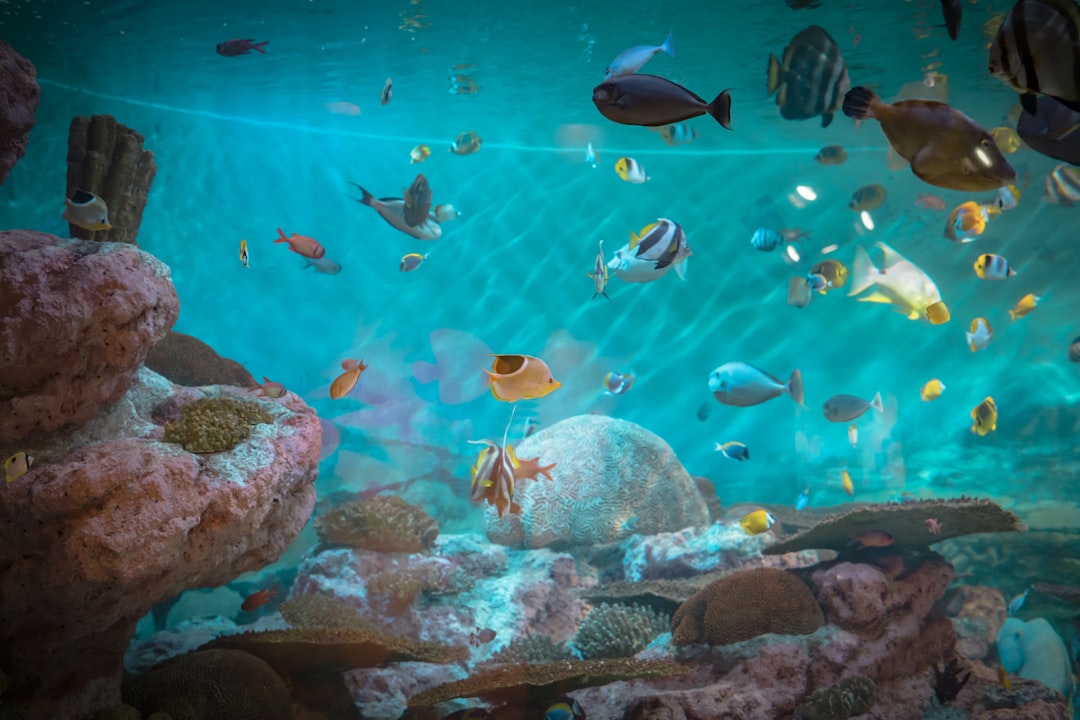
Named for the distinctive T-shaped or anchor-shaped tips of its tentacles, the hammer coral is a reef-tank favourite that combines dramatic movement with relatively straightforward care. Euphyllia ancora brings a mesmerising sway to any marine setup, and its hardy nature makes it accessible to intermediate hobbyists. This hammer coral care guide from Gensou Aquascaping at 5 Everton Park, Singapore covers the essentials for keeping these popular LPS corals in peak condition. This guide sits inside our broader Saltwater Reef Tank Master Guide reference.
Identifying Hammer Coral Varieties
Euphyllia ancora comes in two skeletal forms: branching and wall. Branching varieties have individual heads on separate stalks, making them easier to frag and propagate. Wall hammers share a continuous, meandering skeleton and tend to produce a denser visual impact but resist division. Colour morphs include green with gold tips, orange, teal, and the highly prized “gold hammer” which displays uniform golden tentacles throughout.
Prices in Singapore range from $15-$40 SGD for common green morphs to $100-$300 SGD for premium Australian or Indo-Pacific designer varieties available through local marine shops and online platforms like Carousell.
Ideal Water Parameters
Hammer corals perform best at a salinity of 1.025, alkalinity between 7.5-8.5 dKH, calcium at 400-440 ppm and magnesium at 1300-1400 ppm. Temperature should hold steady between 25-27 degrees Celsius. Like other Euphyllia species, hammers handle moderate nutrient levels without issue — nitrates below 15 ppm and phosphates under 0.08 ppm are perfectly acceptable. What they cannot tolerate is rapid parameter swings, particularly in alkalinity. Consistent two-part dosing keeps consumption balanced and prevents the sudden drops that trigger tissue recession.
Lighting Preferences
Moderate light suits hammer corals perfectly. PAR values between 80-180 produce full tentacle extension and vibrant colouration. Excessive light causes tentacles to remain retracted during the day and can gradually bleach tissue. Place hammer corals in the lower to mid zone of your tank, away from the most intense area directly beneath your LED fixture. Blue-dominant spectrums enhance the fluorescent qualities of green and teal morphs, creating that signature glow during evening viewing.
Flow: The Critical Balance
Gentle, indirect flow is essential. Hammer coral tentacles are thicker and heavier than torch coral tentacles, and they respond poorly to strong direct currents. A soft, oscillating flow that causes the tentacles to gently rock back and forth is ideal. Excessive flow tears tentacle tissue and leads to brown jelly infections at damage sites. Position hammers behind rock structures or on shelves where flow diffuses naturally before reaching the colony.
Feeding and Nutrition
Target feeding with meaty foods significantly boosts hammer coral growth rates and head multiplication. Offer mysis shrimp, enriched brine shrimp or small pieces of raw seafood directly to individual mouths once or twice per week. Each head accepts food readily — simply place the morsel on a tentacle and watch it transport the food to the central mouth. Broadcast feeding with coral powders supplements photosynthetic energy and supports overall tissue health.
Tank Mate Considerations
Hammer corals deploy sweeper tentacles that extend well beyond their daytime reach — up to 15 cm in some colonies. These stinging filaments damage or kill neighbouring corals on contact. Space hammer corals at least 15-20 cm from non-Euphyllia species. They generally coexist peacefully alongside torch corals and frogspawn, making Euphyllia gardens a practical and visually stunning approach.
Clownfish occasionally adopt hammer corals as surrogate anemones. While entertaining to watch, hosting clownfish can irritate the coral with constant contact, causing tentacle retraction and stress. Monitor the relationship closely and intervene if the coral shows signs of decline.
Common Problems
Brown jelly disease affects hammer corals just as it does torch corals. Isolate affected heads immediately, siphon off the gelatinous mass and dip in an iodine-based solution. Prevention centres on avoiding physical damage during placement and maintaining stable alkalinity. Skeleton-boring worms occasionally infest Euphyllia bases — look for tiny holes and tube structures at the coral’s base and treat with a freshwater dip if detected.
Recession from the base upward often indicates low alkalinity or inadequate calcium. Test your parameters before assuming disease is the culprit.
Growing a Thriving Hammer Colony
Under stable conditions with regular feeding, branching hammer corals produce new heads every few months. A single head can grow into an impressive multi-headed colony within a year or two. Patience, consistent dosing, and gentle flow are all it takes. Few LPS corals deliver the combination of beauty, movement and accessibility that Euphyllia ancora offers to Singapore reef keepers.
Related Reading
- Hammer Coral Care Guide: Euphyllia Ancora Flow and Feeding
- Acropora Coral Care Guide: SPS Basics for Singapore Reefers
- Brain Coral Care Guide: Lobophyllia and Symphyllia in Reef Tanks
- Bubble Coral Care Guide: Plerogyra Sinuosa Feeding and Placement
- Coral Beauty Angelfish Care Guide: Dwarf Angel for Reef Tanks



