
Tropheus Duboisi Care Guide: White-Spotted Tanganyikan Herbivore
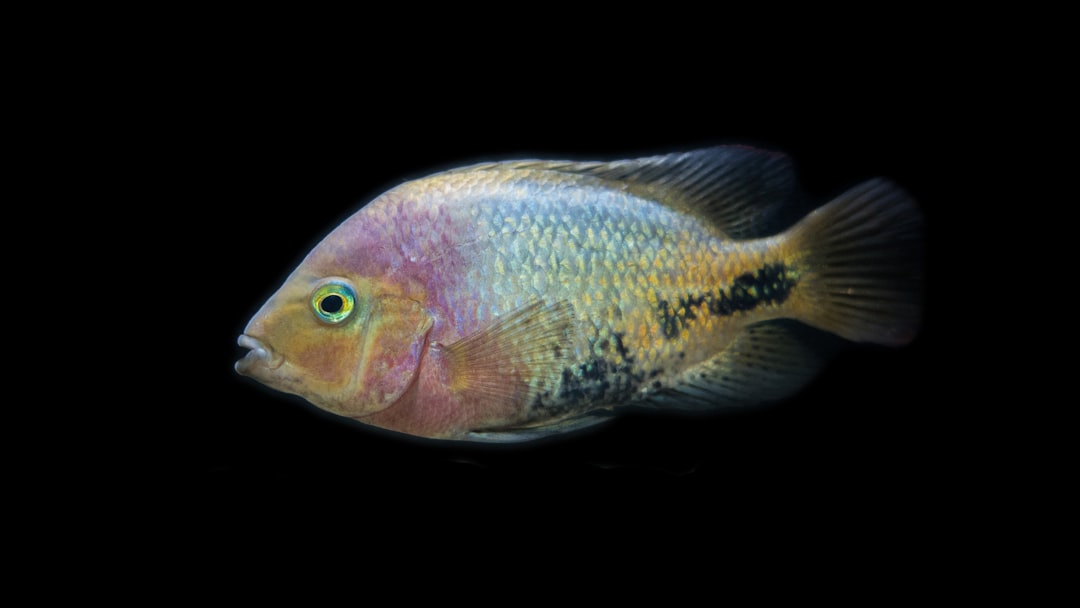
Keeping Tropheus duboisi successfully is a badge of honour in the cichlid hobby. This Tropheus duboisi cichlid care guide from Gensou Aquascaping at 5 Everton Park, Singapore tackles the specific challenges of maintaining these demanding Lake Tanganyikan herbivores. Juveniles display stunning white polka dots on a jet-black body, transitioning to a dark adult coloration with a distinctive vertical white or yellow band. Their beauty comes with a reputation for being unforgiving of keeper mistakes, particularly in diet and colony dynamics.
Species Background
Tropheus duboisi inhabits the rocky littoral zones of Lake Tanganyika in East Africa, where it grazes on biofilm and aufwuchs growing on boulders. Several geographical variants exist, each with subtle differences in band colour and width. The Maswa variant shows a narrow white band, while the Kigoma variant displays a broader, more yellowish stripe. These wild-type variants maintain their distinctiveness only when bred true, so confirm the provenance of your colony before mixing fish from different sources.
Tank Setup for a Colony
Tropheus must be kept in groups. A colony of 12 to 15 individuals requires a minimum 400-litre tank. Smaller groups lead to intense aggression, with dominant fish relentlessly targeting subordinates. Fill the tank with stacked rocks creating multiple caves, tunnels and sightline breaks. Leave open swimming space in the upper half. A sandy substrate completes the Lake Tanganyika biotope look. Skip the plants entirely for this setup; the rocky hardscape is both functional and visually appropriate.
Water Chemistry
Lake Tanganyika water is hard and alkaline, the opposite of Singapore’s soft, acidic PUB tap water. Buffer your water to a pH of 8.0 to 9.0 and a GH of 10 to 15 using crushed coral, aragonite substrate or commercial Tanganyikan buffer salts. Maintain a temperature of 25 to 27 degrees Celsius. In Singapore’s warm climate, this may require a fan or small chiller during hotter months to prevent temperatures creeping above 28 degrees. Pristine water quality is mandatory. Ammonia and nitrite at zero, nitrates below 10 ppm, and weekly water changes of 30 to 40 per cent form the baseline.
The Critical Importance of Diet
Diet is where most Tropheus keepers fail. These fish are strict herbivores with a digestive system adapted for low-protein, high-fibre algae. Feeding protein-rich foods like bloodworms, brine shrimp or meaty pellets causes a fatal condition known as bloat, characterised by abdominal swelling, white stringy faeces and rapid decline. Feed spirulina-based flakes or pellets as the staple, supplemented with blanched spinach, nori sheets and fresh spirulina. Avoid all animal-protein foods without exception. Even foods marketed as “cichlid pellets” may contain too much fish meal for Tropheus.
Colony Management and Aggression
Aggression within a Tropheus colony is constant and highly structured. The dominant male controls the best territory and breeds with receptive females, while subordinate males are tolerated only if the group is large enough to diffuse aggression. Removing or adding individual fish destabilises the hierarchy and can trigger lethal attacks on newcomers. When establishing a colony, introduce all fish simultaneously. If a fish must be removed for illness, reintroduce it carefully by rearranging the rockwork first to reset territorial boundaries.
Breeding and Mouthbrooding
Tropheus duboisi is a maternal mouthbrooder. After spawning, the female collects five to fifteen eggs and incubates them in her mouth for approximately 28 days. During this period, she does not eat. Well-conditioned females handle this fast without difficulty, but thin or recently stressed fish may spit the brood prematurely. Fry are released as fully formed miniatures of the juvenile form, displaying the iconic white-spotted pattern. Raise fry in a separate tank on crushed spirulina flake and finely ground vegetable matter.
Common Health Issues
Bloat remains the primary killer. Recognise the early signs: lethargy, loss of appetite, white trailing faeces and a darkened body colour. Treat immediately with metronidazole in a hospital tank, though survival rates are low once symptoms become obvious. Prevention through strict dietary discipline is far more effective than treatment. Internal parasites also occur, particularly in wild-caught imports. Quarantine all new arrivals for three to four weeks and deworm prophylactically with praziquantel.
Sourcing in Singapore
Captive-bred Tropheus duboisi are available from specialist cichlid dealers, often by pre-order rather than off-the-shelf. Expect to pay $15 to $30 per juvenile, with a colony of 12 costing $180 to $360. Wild-caught specimens appear occasionally at higher prices. Purchase the entire colony from one source to ensure compatible genetics and reduce disease risk. Building a Tropheus colony demands upfront investment, but a thriving group rewards you with dynamic social behaviour and reliable breeding for years.
Related Reading



