
Tropheus Cichlid Care Guide: Tanganyikan Colour Bombs
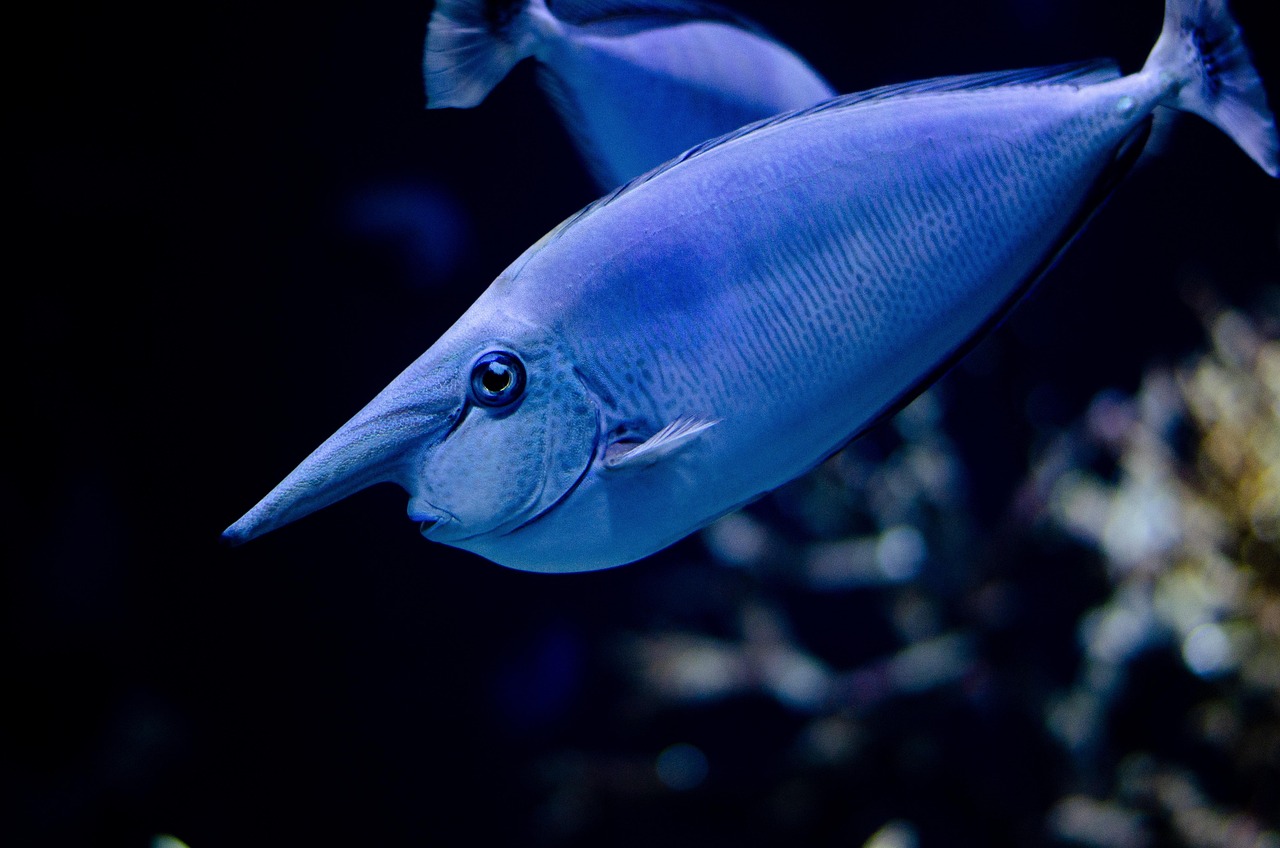
This tropheus cichlid care guide is designed for aquarists ready to take on one of the most vibrant and demanding cichlid genera in the hobby. At Gensou Aquascaping, located at 5 Everton Park in Singapore, we recognise Tropheus as some of the most visually striking freshwater fish available, though they require a disciplined approach to husbandry.
Origins and Species Diversity
Tropheus cichlids are endemic to Lake Tanganyika in East Africa, one of the world’s oldest and deepest rift lakes. They inhabit the rocky littoral zones along the lake’s shoreline, where they graze on aufwuchs, the biofilm of algae and microorganisms that coats submerged rocks. The genus includes several species and dozens of geographical variants, each displaying unique colour patterns. Popular variants in the trade include Tropheus moorii “Ilangi,” “Ikola,” and “Bemba,” as well as Tropheus duboisi with its striking juvenile polka-dot pattern.
Tank Size and Colony Setup
Tropheus are highly social and must be kept in large colonies of 15 to 20 individuals or more to diffuse aggression. A minimum tank size of 400 litres is recommended, with 500 litres or above being preferable for a stable colony. The aquascape should feature stacked rockwork that creates numerous hiding spots and line-of-sight breaks. Avoid mixing different Tropheus variants in the same tank, as they can hybridise and aggression may escalate between dissimilar colour forms.
Water Parameters for Tropheus
Lake Tanganyika water is hard and alkaline, so Tropheus require a pH between 7.8 and 9.0 and a general hardness of 10 to 25 dGH. Temperature should be maintained between 24 and 27 degrees Celsius. In Singapore, tap water may need buffering with rift lake salts or crushed coral substrate to achieve the correct mineral content. Excellent water quality is non-negotiable, as Tropheus are highly sensitive to elevated ammonia and nitrite levels. Invest in robust filtration and perform water changes of 30 to 50 per cent weekly.
Diet and the Bloat Risk
Diet is the single most critical aspect of Tropheus care. These fish are herbivorous grazers, and their digestive system is adapted to process plant matter and algae. Feed a high-quality spirulina-based flake or pellet as the staple diet. Supplement with blanched vegetables such as courgette, spinach, and peas. Avoid protein-rich foods like bloodworms and tubifex at all costs, as these can trigger Tropheus bloat, a potentially fatal intestinal condition. Feed small amounts several times daily to mimic their constant grazing behaviour in the wild.
Understanding Tropheus Bloat
Tropheus bloat is the most feared health issue among keepers. It presents as abdominal swelling, loss of appetite, white stringy faeces, and lethargy. The condition is often linked to stress, poor diet, or sudden water parameter shifts. Prevention is far more effective than treatment. Maintain strict dietary discipline, avoid overcrowding beyond what the colony can sustain, and keep water parameters stable. If bloat is detected early, treatment with metronidazole in a hospital tank may be effective, but advanced cases are often fatal.
Aggression Management
Tropheus are inherently aggressive, and managing this aggression is central to successful keeping. The colony approach works by spreading aggression across many individuals so no single fish bears the brunt. Avoid keeping too few fish, as dominant individuals will relentlessly pursue subordinates. Adding new fish to an established colony is risky and should be done by rearranging the rockwork and introducing several newcomers simultaneously to reset the hierarchy.
Breeding Tropheus Cichlids
Tropheus are maternal mouthbrooders. The female holds the eggs and developing fry in her mouth for approximately four weeks before releasing fully formed juveniles. Breeding occurs naturally in well-maintained colonies. Females should not be stripped of their fry unless necessary, as the stress can be counterproductive. The fry are relatively large at release and can accept crushed spirulina flake immediately. A healthy colony will produce fry regularly without special intervention.
Are Tropheus Right for You?
Tropheus cichlids are not beginner fish. They demand commitment to water quality, dietary discipline, and thoughtful colony management. However, for those willing to invest the effort, they offer unmatched colour and dynamic social behaviour. If you are considering a Tropheus colony and want guidance on setup, sourcing, or ongoing maintenance, the team at Gensou Aquascaping is always ready to share our experience with these extraordinary Tanganyikan jewels.
Related Reading



