
RO/DI System Guide for Aquariums: Pure Water for Sensitive Species and Reef
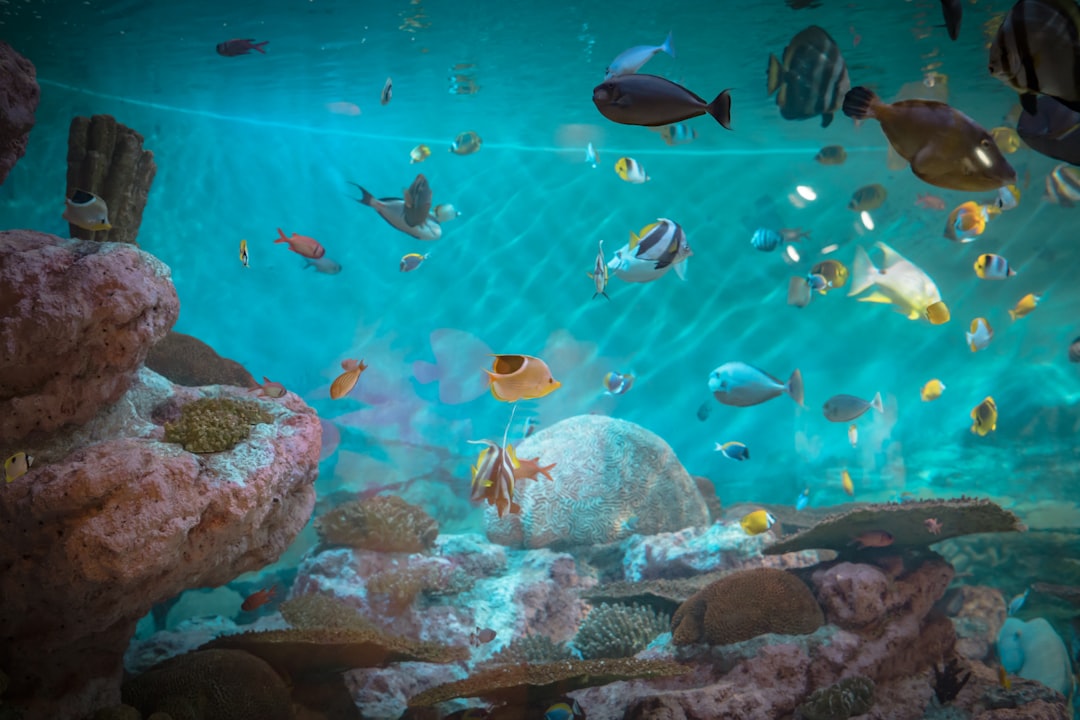
When tap water quality becomes the limiting factor in your aquarium’s success, a reverse osmosis and deionisation unit changes everything. This RO/DI system aquarium guide from Gensou Aquascaping at 5 Everton Park, Singapore explains how these filtration systems work, what to look for when buying, and how to maintain your unit for years of reliable pure water production. Whether you keep sensitive Caridina shrimp, discus or a full reef tank, understanding RO/DI technology is essential for consistent results. This guide sits inside our broader Saltwater Reef Tank Master Guide reference.
How RO/DI Filtration Works
A typical aquarium RO/DI unit contains three to five filtration stages. Water first passes through a sediment pre-filter that removes particles down to 5 microns — rust, sand and pipe debris. Next, an activated carbon block absorbs chlorine, chloramine and organic compounds that would otherwise damage the RO membrane. The reverse osmosis membrane itself is the core stage, rejecting 95-99% of dissolved solids by forcing water through a semi-permeable film under mains pressure. Finally, a deionisation (DI) resin cartridge polishes the product water to near-zero TDS. The result is water stripped of virtually everything: minerals, heavy metals, silicates, phosphates and nitrates.
Why Singapore Hobbyists Need RO/DI
PUB tap water in Singapore is generally safe and well-treated, with a TDS of roughly 40-80 ppm, GH of 2-4 dKH and chloramine rather than free chlorine. For most freshwater community tanks, dechlorinated tap water works fine. However, Caridina shrimp, soft-water species like Parosphromenus gouramis, and reef corals demand water with TDS below 10 ppm and zero chloramine residue. An RO/DI unit provides that blank canvas, letting you remineralise to exact specifications rather than working around whatever comes out of the tap.
Choosing the Right Unit
Aquarium RO/DI units are rated by gallons per day (GPD) at standard pressure. A 75 GPD (approximately 280 litres per day) unit suits most home aquariums. Larger reef systems benefit from 100-150 GPD models. Key features to look for include quick-connect fittings for easy filter changes, a flush valve for the RO membrane, and a TDS meter with dual inline probes — one after the RO stage, one after the DI stage. Budget $120-250 for a quality four-stage unit from brands like Aquatic Life, BRS or SpectraPure, available through Shopee, Lazada and local reef suppliers.
Installation
Most units connect to a standard kitchen or bathroom tap using an adapter. In HDB flats, the kitchen sink is the most practical location. Run the waste water line to the drain — RO systems produce wastewater at a ratio of roughly 3:1 (three litres wasted per one litre produced). You can reduce waste by collecting the reject water for mopping floors or watering non-sensitive garden plants. Mount the unit on a wall bracket or stand it vertically in a utility cupboard. Keep the DI cartridge positioned last in the chain, and ensure all tubing connections are snug to prevent drips.
Monitoring TDS
Total dissolved solids (TDS) is your primary quality indicator. Fresh product water should read 0-3 ppm on your inline meter. When the reading after the DI resin climbs above 5 ppm, the resin is exhausted and needs replacement. The reading between the RO membrane and DI stage tells you membrane health — if this exceeds 10-15% of your input TDS, the membrane is losing rejection efficiency and may need replacing. Check readings monthly at minimum, or after any period of non-use longer than a week.
Maintenance Schedule
Sediment pre-filters last three to six months depending on input water quality. Carbon blocks should be replaced every six months without exception — spent carbon allows chloramine to reach and destroy the RO membrane, an expensive mistake. The RO membrane itself lasts two to three years with proper pre-filtration. DI resin exhaustion depends on usage; most hobbyists replace cartridges every three to six months. Flush the membrane for two to three minutes before each production session if the unit has been idle for more than a few days.
Storing RO/DI Water
Store product water in food-grade plastic containers with lids to prevent dust and airborne contamination. A 20-litre jerry can or dedicated Brute bin works well. Use stored water within a week for best results — stagnant RO water can develop bacterial films over time. Aerate stored water with a small air pump if you plan to keep it longer. Never store RO/DI water in metal containers, as pure water is mildly aggressive and will leach metal ions, defeating the purpose of filtration.
Is RO/DI Worth the Investment
For general community freshwater tanks, probably not. For shrimp breeding, discus keeping, planted tanks with demanding species, or any marine and reef system — absolutely. The upfront cost of $150-250 pays for itself within months compared to buying distilled water, and the control it gives you over water chemistry is unmatched. A well-maintained RO/DI unit, paired with proper remineralisation, is the foundation of every serious aquarist’s water management toolkit. This ro di system aquarium guide should give you the confidence to install and operate your own unit effectively.
Related Reading



