
Aquarium Enrichment Ideas: Keeping Your Fish Stimulated and Active
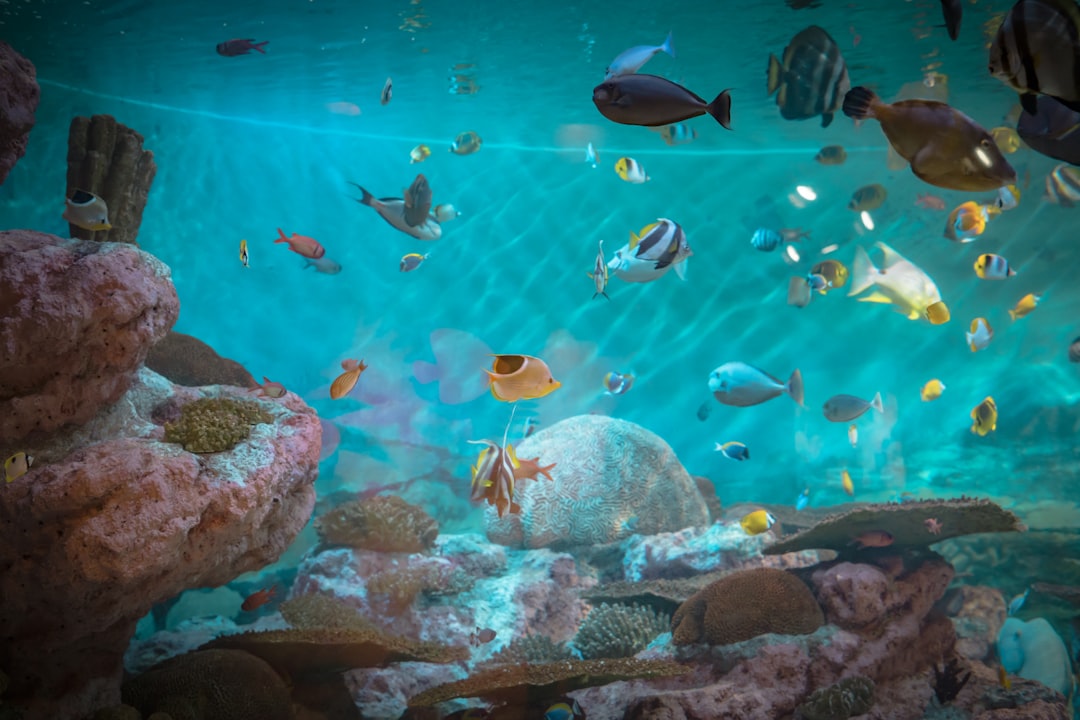
Boredom is an overlooked welfare issue in the aquarium hobby. Fish confined to a static environment with nothing to explore, manipulate, or respond to develop repetitive behaviours, lethargy, and even aggression. Thoughtful aquarium enrichment ideas for fish transform a glass box into a dynamic habitat that encourages natural instincts. At Gensou Aquascaping, 5 Everton Park, Singapore, we design tanks with enrichment in mind — and the difference in fish behaviour is striking.
What Enrichment Means for Fish
Enrichment is any modification to the environment that promotes species-typical behaviour, mental stimulation, or physical exercise. Zoo and public aquarium researchers have documented improved health outcomes, brighter colouration, and increased breeding success in enriched setups. Home aquarists can apply the same principles on a smaller scale with minimal cost or effort.
Structural Enrichment Through Hardscape
Caves, overhangs, and tunnels give fish spaces to explore, defend, and shelter in. Stacking dragon stone to create arches benefits cave-spawning cichlids and loaches alike. Driftwood branches extending from substrate to mid-water provide perching spots for gobies and resting areas for bettas. Rearranging hardscape every few months refreshes the environment, forcing fish to re-explore their territory. Even small shifts — rotating a piece of wood 90 degrees — create a novel landscape.
Live Plants as Dynamic Habitat
Plants serve multiple enrichment functions simultaneously. Dense stem plant thickets offer hiding zones and foraging surfaces covered in biofilm and microorganisms. Floating plants like Salvinia natans or Ceratopteris thalictroides create shaded areas and surface cover, reducing stress for top-dwelling species. Mosses attached to hardscape harbour tiny invertebrates that fish pick at throughout the day — a form of occupational enrichment that mimics wild foraging behaviour.
Feeding Enrichment
Varying food type, size, and delivery method is one of the simplest enrichment strategies. Instead of dropping flakes in the same corner every morning, try these approaches. Clip a blanched cucumber slice to the glass for herbivorous species to graze on. Scatter freeze-dried bloodworms across the current so fish must chase and catch them. Push sinking pellets into crevices in the hardscape, encouraging bottom-dwellers to forage as they would in a riverbed.
Live foods deliver exceptional enrichment. Daphnia, brine shrimp, and mosquito larvae trigger predatory instincts that prepared foods cannot match. A small culture of daphnia is easy to maintain in a bucket on a balcony — Singapore’s warm climate keeps them reproducing year-round.
Water Flow and Current Variation
Rheophilic species such as hillstream loaches and many barbs thrive with directed current. A small wavemaker on a timer that alternates flow direction every few hours adds variety and encourages active swimming. Position the flow outlet so it creates zones of fast and slow water within the same tank, allowing fish to choose their preferred intensity. Even species not typically associated with strong current often enjoy short bursts of play in a gentle jet.
Visual and Social Stimulation
Contrary to popular belief, mirrors used briefly — five minutes once or twice a week — can stimulate territorial species like bettas and cichlids without causing chronic stress. Remove the mirror promptly to prevent exhaustion. Placing the tank where fish can observe household activity provides passive visual stimulation, though shy species benefit from a quieter location. Tank backgrounds with depth and detail, such as 3D rock panels, add visual complexity from the fish’s perspective.
Substrate Choices That Encourage Foraging
Fine sand substrates allow Corydoras catfish to perform their characteristic sifting behaviour, filtering sand through their gills to extract food particles. Gravel that is too coarse prevents this natural action and can damage delicate barbels. For earth-eating cichlids like Geophagus species, a deep sand bed is essential enrichment — watching them scoop and sift is a highlight of keeping these fish.
Rotating and Refreshing the Environment
Enrichment loses its effect if the environment never changes. Introduce a new piece of driftwood, swap the position of two rocks, add a new plant species, or change the feeding schedule every few weeks. The goal is controlled novelty — enough change to stimulate exploration without so much disruption that fish become stressed. Observing how your fish respond to each modification teaches you what they find most engaging, letting you tailor enrichment to your specific community.
Related Reading
- Deepavali Aquarium Theme and Lighting Ideas: Festival of Lights Underwater
- Hari Raya Aquarium Decoration Ideas: Green, Gold and Festive Calm
- National Day Aquarium Theme Ideas for Singapore: Red and White Tanks
- Active vs Inert Substrate: Which Is Right for Your Planted Tank?
- ADA Fertiliser System Guide: Brighty K, Green Brighty and Step Series



