
Fish Stress Signs and Prevention: Reading Body Language in Your Aquarium
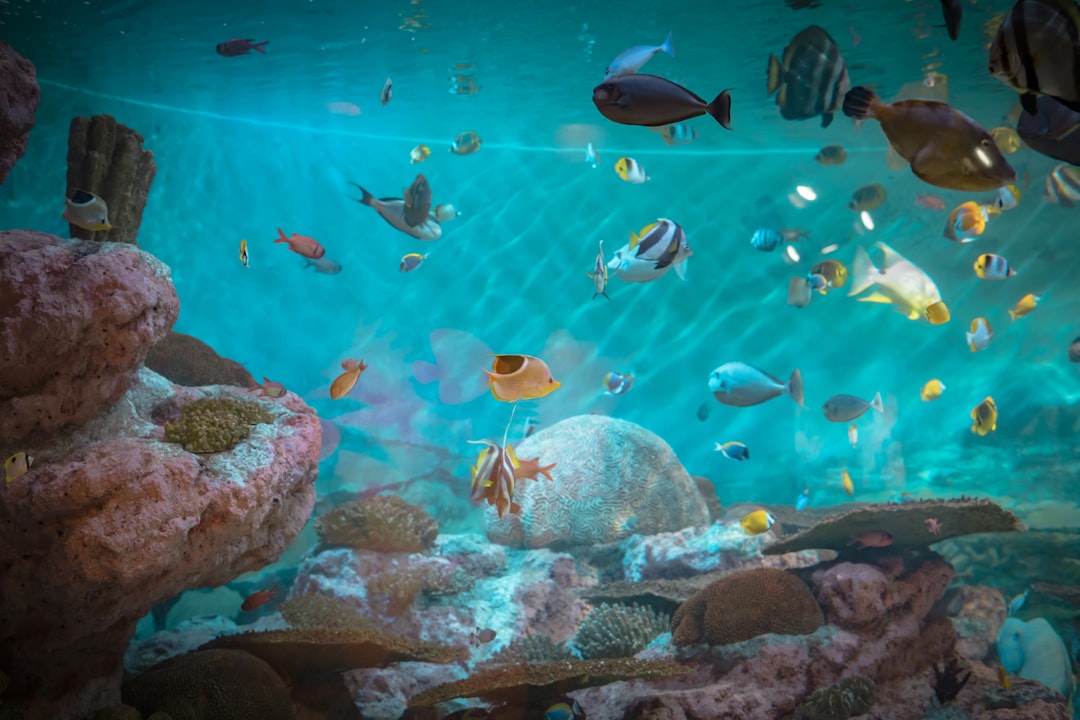
Fish cannot tell you when something is wrong, but their bodies and behaviour speak volumes if you know what to look for. Chronic stress weakens immune systems, shortens lifespans, and precedes most disease outbreaks in home aquariums. This guide to fish stress signs and prevention from Gensou Aquascaping at 5 Everton Park, Singapore will help you read the silent signals your livestock are sending — and act before minor issues become emergencies.
Why Stress Matters More Than You Think
Stress triggers a cascade of physiological responses. Cortisol floods the bloodstream, suppressing the immune system and diverting energy from growth and reproduction. A stressed fish is dramatically more susceptible to bacterial infections like columnaris, parasitic infestations such as ich (Ichthyophthirius multifiliis), and fungal outbreaks. Addressing the stressor often resolves health problems that medication alone cannot fix.
Visual Stress Indicators
Colour fading is among the earliest and most reliable signs. A normally vibrant neon tetra turning pale, or a cichlid losing its breeding dress, signals elevated cortisol. Clamped fins — where the dorsal and pectoral fins press tightly against the body rather than fanning open — indicate discomfort. Rapid gill movement exceeding the normal rate for the species suggests oxygen deprivation or irritant exposure. Dark stress bars or blotches appear on some species, particularly angelfish and discus, when conditions deteriorate.
Behavioural Red Flags
Hiding during normal activity hours, refusing food, and glass surfing — repetitive swimming along the tank walls — all point to stress. Watch for flashing, where a fish scrapes its body against hardscape or substrate, which can indicate parasites or irritating water chemistry. Gasping at the surface usually means dissolved oxygen is too low, but it can also follow a pH crash or ammonia spike. A fish that isolates itself from its usual social group is often being bullied or feeling unwell.
Common Stressors in Singapore Aquariums
Temperature fluctuation ranks high. While Singapore’s ambient 28-32 °C suits most tropical species, air conditioning can drop tank temperatures by several degrees overnight, creating a daily swing that taxes fish physiology. Poorly positioned tanks near windows receive direct afternoon sun, pushing temperatures above 33 °C. PUB tap water contains chloramine, and insufficient dechlorination during water changes causes acute gill irritation — even small residual amounts are harmful.
Overcrowding is rampant in smaller setups. A 60-litre tank holding twenty adult fish generates more waste than the filter can process, leading to chronic ammonia and nitrite exposure at sub-lethal but stress-inducing levels.
Water Quality as a Stress Foundation
Test ammonia, nitrite, and nitrate weekly. Ammonia and nitrite should read zero at all times in a cycled tank. Nitrate above 40 ppm causes chronic low-grade stress in most freshwater species. Maintain a consistent water change schedule — 20-30 per cent weekly using dechlorinated water at matching temperature. Stability matters more than hitting a perfect number; a pH that holds steady at 7.2 is far less stressful than one that swings between 6.5 and 7.5.
Environmental Enrichment and Security
Bare tanks stress fish. Dense planting, caves, driftwood, and floating plants provide shelter and break sightlines, giving subordinate fish escape routes. Nocturnal species like kuhli loaches (Pangio kuhlii) need daytime hiding spots to feel secure. Even bold species benefit from a background — a bare rear panel surrounded by room activity makes fish feel exposed. A simple black or dark blue background applied to the outside of the glass reduces this anxiety significantly.
Acclimation and Quarantine
Transport and introduction are peak stress events. Drip-acclimate new arrivals over 30-60 minutes to match temperature and chemistry gradually. Quarantine new fish in a separate tank for two to three weeks before adding them to your display. This practice not only protects existing stock from imported diseases but also gives newcomers time to recover from shipping stress in a calm, uncrowded environment.
Building a Low-Stress Aquarium
Prevention ultimately comes down to thoughtful planning. Stock conservatively, maintain excellent water quality, provide ample cover, and choose compatible species. Observe your tank for ten minutes daily — not just a passing glance, but focused watching. The more familiar you become with each fish’s normal colour, posture, and activity pattern, the faster you will detect the subtle shifts that signal trouble. Early detection and swift correction keep stress from escalating into disease and loss.
Related Reading
- Aquarium KH Crash Prevention: Buffering Soft Water Safely
- Aquarium Water Damage Prevention: Leak Detection and Floor Protection
- Active vs Inert Substrate: Which Is Right for Your Planted Tank?
- ADA Fertiliser System Guide: Brighty K, Green Brighty and Step Series
- Advanced Shrimp Selective Breeding: Line Breeding, Culling and Colour Fixing



