
Freshwater Quarantine Protocol for New Fish: 4 Week Observation Plan
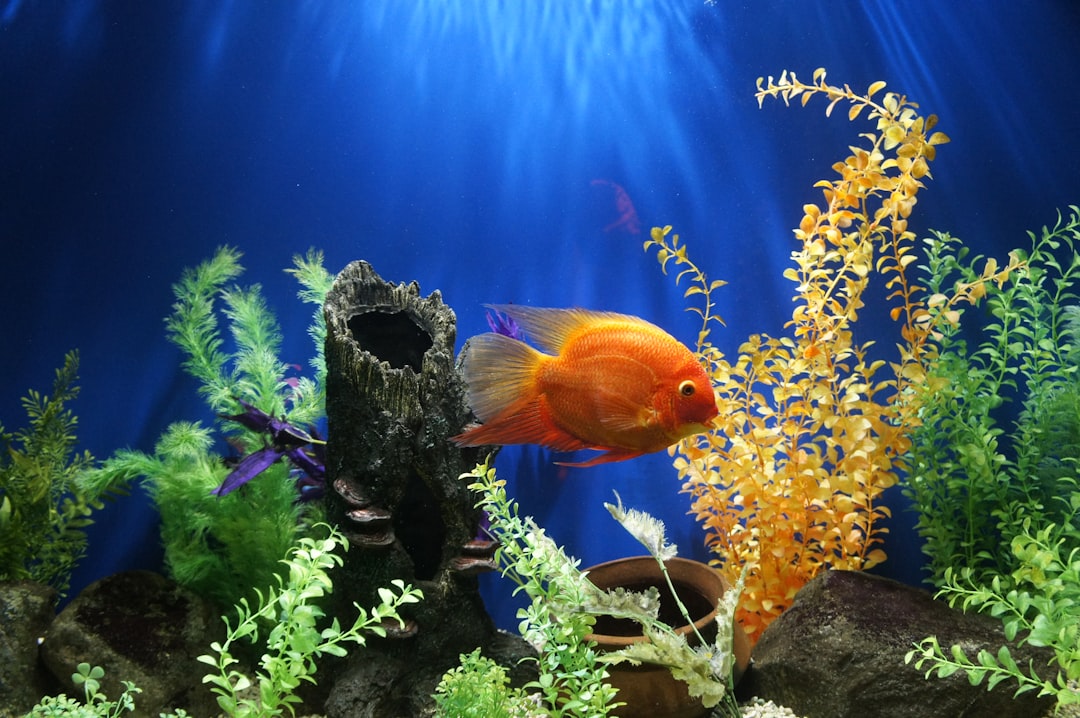
Freshwater hobbyists often skip quarantine because the fish “look fine” at the shop — then spend three weeks fighting a display-wide ich outbreak. A simple freshwater quarantine protocol new fish catches the problem in a spare tank where medication, salt, and heat are easy to apply. This guide from Gensou Aquascaping in Singapore lays out a four-week plan covering observation, optional prazi, and the green-light checks before adding fish to the main display. The setup is cheap and the time investment prevents the far larger cost of treating an established tank.
Quick Facts
- Standard duration: 4 weeks (28 days) from arrival to display transfer
- Week 1: observation only, gentle acclimation, stable parameters
- Week 2: optional prazi for flukes and tapeworms, 5-7 day course
- Week 3: salt dip 1-3 g/L or targeted medication if symptoms appear
- Week 4: clean observation, appetite confirmation, final health check
- Temperature held at 26-27°C; raise to 30°C if ich is suspected
- Bare-bottom 40-60 litre tank with sponge filter is enough for most species
Why Four Weeks
Most freshwater diseases show within 14-21 days of a fish moving into new conditions. The extra week buffers delayed-onset issues such as internal parasites, neon tetra disease, or latent columnaris. Shorter quarantines catch the obvious ich and fungus but miss slower-progressing problems that reveal themselves only after stress subsides and the parasite is ready to reproduce.
Four weeks also gives the fish time to settle, eat confidently, and demonstrate compatibility with prepared foods before it competes in a mixed community.
Setting Up the Quarantine Tank
Use a bare-bottom 40-60 litre tank with a seasoned sponge filter, a heater set to 26-27°C, a simple LED for a 6-8 hour photoperiod, and PVC elbows or terracotta pots for hiding. No substrate — it makes cleaning and medication dosing far simpler. Lid and dim lighting reduce stress.
A sponge filter kept permanently in the display sump is the best biological insurance; pull it into the quarantine tank when needed. Singapore tap water treated with seachem prime cycles a sponge quickly if kept in the display for two weeks.
Week 1: Acclimation and Observation
Drip acclimate over 45-60 minutes, transfer by net (not the bag water), and let the fish rest in dim conditions for 24 hours. Feed sparingly on day one; full portions from day three once faeces look normal. Test ammonia daily for the first week because the sponge filter may lag if the fish load is larger than the display.
Watch for flashing, clamped fins, stringy faeces, or rapid gill movement. Any of those triggers a diagnostic approach in week two rather than blanket medication.
Week 2: Praziquantel Course
Dose praziquantel at 2.5 mg/L (roughly 2.5 ml of PraziPro per 40 litres) on day 8. Leave five days, then do a 30% water change and run carbon for 24 hours. Prazi treats gill flukes, skin flukes, and tapeworms that wild-caught tetras, corydoras, and Asian community fish often carry without obvious signs.
Feed normally during the prazi course. Some sensitive species such as Siamese algae eaters and loaches tolerate prazi but prefer slightly lower doses — start at 1.5 mg/L for them.
Week 3: Salt, Heat, or Targeted Treatment
If no symptoms appeared, week three is rest and observation. If early ich showed in weeks one or two, raise temperature to 30°C and dose aquarium salt at 1-3 g/L (scaleless fish such as clown loach and corydoras tolerate 1 g/L only). Hold for 10-14 days to clear the cycle. Treat columnaris with kanaplex, fungus with methylene blue or pimafix, and internal parasites with metronidazole in food.
Do not add salt for the whole four weeks as a default — unnecessary chronic salt exposure stresses plants and some catfish.
Week 4: Clean Observation
No medication in the fourth week. The fish should be eating prepared foods readily, swimming actively, and showing normal colour. Weigh silver dollar coin-sized fish in food interest — picky eaters in quarantine are often picky in the display too and need planning.
Run carbon continuously in week four to strip any residual medications before transfer.
Moving to the Display
Acclimate briefly (15-20 minutes) to display water since both tanks should be chemically similar. Add in the evening with lights off, and feed existing stock beforehand to reduce territorial pressure. Watch for two days of normal behaviour before declaring success.
Common Shortcuts That Backfire
Adding new fish directly to the display because the shop tank “looked healthy” ignores the reality of importer conditions. Running quarantine for only 10 days misses delayed symptoms. Reusing quarantine water for the display reintroduces any pathogens the tank just filtered out. A four-week, bare-bottom, properly observed quarantine is the single most cost-effective disease prevention in the hobby.
Related Reading
How to Quarantine New Fish
How to Set Up Quarantine Tank
Freshwater Quarantine Tank Setup
Aquarium Praziquantel Dosing Guide
How to Prevent Fish Disease in Community Tank

emilynakatani
Still Have Questions About Your Tank?
Drop by Gensou Aquascaping — most walk-in questions get answered in under 10 minutes by someone who has set up hundreds of tanks.
5 Everton Park #01-34B, Singapore 080005 · Open daily 11am – 8pm


