

Aquarium Fish Jumping Out Prevention: Lids and Trigger Causes
Finding a dried fish on the floor behind the aquarium cabinet is one of the most preventable tragedies in the hobby, yet it still happens to every keeper eventually. Proper aquarium fish jumping out prevention means understanding which species jump, what triggers them, and covering the gaps most rimless tanks leave open. This guide from Gensou Aquascaping at 5 Everton Park pairs species-specific risk with practical lid and mesh solutions suitable for Singapore HDB setups.
Quick Facts
- Killifish, halfbeaks, hatchetfish, and arowana are the top jumpers — expect losses without covers
- Most jumps happen within 2 weeks of introduction to a new tank
- Common triggers: aggression, startle, poor water quality, spawning, low oxygen
- Rimless tanks lose fish through filter cutouts and heater gaps as small as 2 cm
- DIY egg-crate mesh lids cost $8 to $15 and stop all jumps
- A fish survives 2 to 5 minutes out of water if returned promptly and gills are not dry
- Open-top aquascapes need floating plants and perimeter mesh, not full glass
Species Most Likely to Jump
Annual killifish like Nothobranchius guentheri and Aphyosemion australe are evolved for ephemeral pools and jump at the slightest disturbance. African arowana and silver arowana in home tanks jump clean through 20 cm of clearance. Marbled hatchetfish, freshwater halfbeaks, gobies, and Betta imbellis wild species are all frequent jumpers. Cichlids during spawning disputes launch themselves unpredictably.
Low-risk species include corydoras, tetras, and most barbs — though any fish will jump if the tank conditions are bad enough.
Why Fish Jump
Territorial chase is the most common trigger. A subordinate fish hounded by a dominant one sees the surface as the only escape. Ammonia above 0.5 ppm or nitrite above 0.25 ppm causes respiratory distress and surface-gasping behaviour that transitions to jumping. Spawning pairs driving off tank mates escalate aggression. Sudden room lights switched on in darkness startle fish into the glass and over the edge.
Low dissolved oxygen drives surface behaviour that precedes jumping. In a 29°C Singapore tank, a filter that has slowed or a heavy stocking load can push oxygen below 5 mg/L overnight, with predictable results by morning.
Lid Options Compared
Full glass covers — the classic choice — cost $20 to $60 depending on tank size. They restrict gas exchange slightly and need cleaning weekly of condensation-driven algae. Acrylic covers at half the price scratch easily but work. Both block jumping completely when fitted properly with silicone clips.
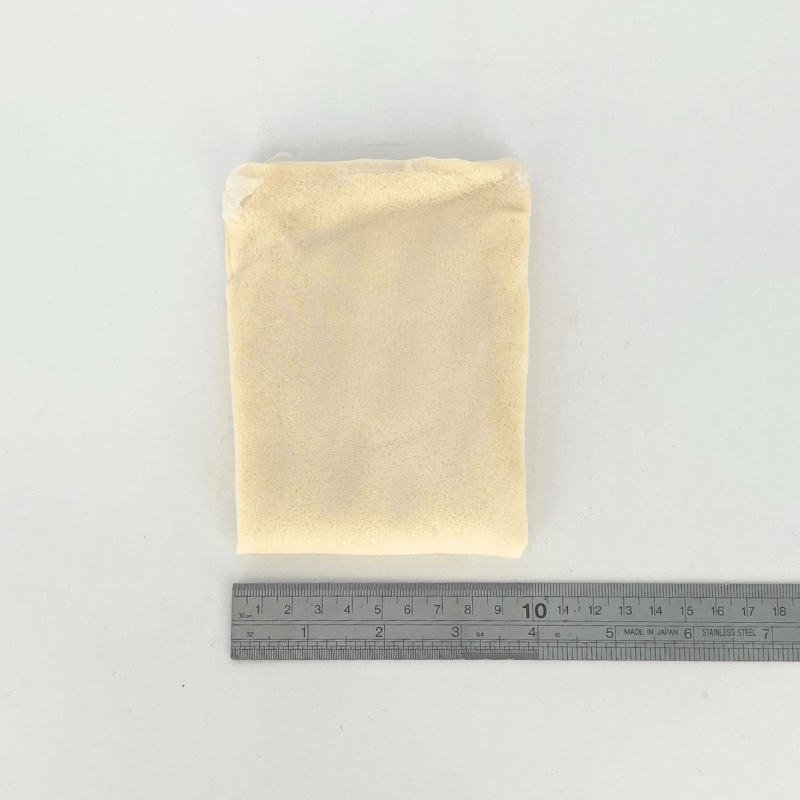
Plastic egg-crate mesh from hardware stores, cut to shape with a hobby knife, costs $8 for a 60×60 cm sheet. It allows full gas exchange and light penetration, and fish cannot squeeze through 1 cm squares. Aesthetically mediocre but effective for shrimp tanks and breeder setups.
Rimless Tank Gaps
Open-top ADA-style tanks look stunning and ventilate CO2 issues well, but they lose fish regularly. The usual culprits are gaps around filter intakes, heater cables, and the corners where lily pipes enter. Custom-cut acrylic covers with notches for equipment close most gaps. Alternatively, a dense layer of floating plants — salvinia, frogbit, or Pistia stratiotes — covering 60 percent of the surface deters most jumps by removing the clear sky fish target during startle.
Mesh fitted around the inside perimeter, held by magnetic clips, prevents fish from reaching the open surface at the edges where they tend to launch.
Species-Specific Setups
For killifish tanks, a tight-fitting lid is non-negotiable. Use a rimmed tank and silicone the glass cover clips on. Leave no gaps wider than 5 mm. For arowana, a heavy sliding glass cover with weights — some keepers place small granite tiles on top — is standard. A loose cover will be dislodged by an adult arowana within weeks.
Halfbeak tanks need both a cover and a minimum 10 cm headspace between waterline and lid to allow breeding behaviour without jumping contact. Hatchetfish benefit from dense floating plants that obscure the surface visually.
Water Quality as Prevention
Fish with good water quality jump far less often. Keep ammonia and nitrite at zero, nitrate under 40 ppm, and dissolved oxygen above 6 mg/L. An airstone or surface skimmer during the hottest Singapore afternoons (waterloads reach 31°C easily in top-floor HDB flats) raises oxygen and calms surface behaviour.
Quarantine new fish. A stressed newcomer jumping on night one is a common story. Acclimate over 30 to 45 minutes using the drip method, keep the tank dimly lit for 24 hours, and add a cover before the fish go in, not after.
Saving a Jumped Fish
If you find a fish on the floor, check for movement or gill twitching. A fish dry for under 2 minutes often survives if returned gently to the tank. Scoop with a damp net and lower into the water; do not flick or drop. Mucus damage from the floor surface predisposes the fish to fungus, so observe for 72 hours and add a quarter-dose of methylene blue if fin edges turn white.
Fish crusted onto carpet for hours are almost always lost. Fish landing on wet counter or a plant leaf can survive 5 to 10 minutes.
HDB-Specific Considerations
Ceiling fans common in Singapore flats create surface ripple that excites jumpy species. Position tanks away from direct fan airflow. Aircon vents blowing cold air onto the tank cause temperature swings and surface condensation, both triggering behaviours. If you must place a tank under an aircon register, redirect the vent or add an insulating panel on top of the cover.
Cats and birds in the household should be kept out of the fish room. Predator presence visible through clear glass drives even normally calm fish to jump when they crowd the opposite corner.
Related Reading
Aquarium Lid vs Open Top
Best Aquarium Glass Lid Cover
Best Aquarium Lid Cover Mesh DIY
Aquarium Holiday Preparation Guide
Aquarium pH Crash Causes and Recovery

emilynakatani
Still Have Questions About Your Tank?
Drop by Gensou Aquascaping — most walk-in questions get answered in under 10 minutes by someone who has set up hundreds of tanks.
5 Everton Park #01-34B, Singapore 080005 · Open daily 11am – 8pm


