
Coral Quarantine Tank Setup Guide: 76 Day Protocol
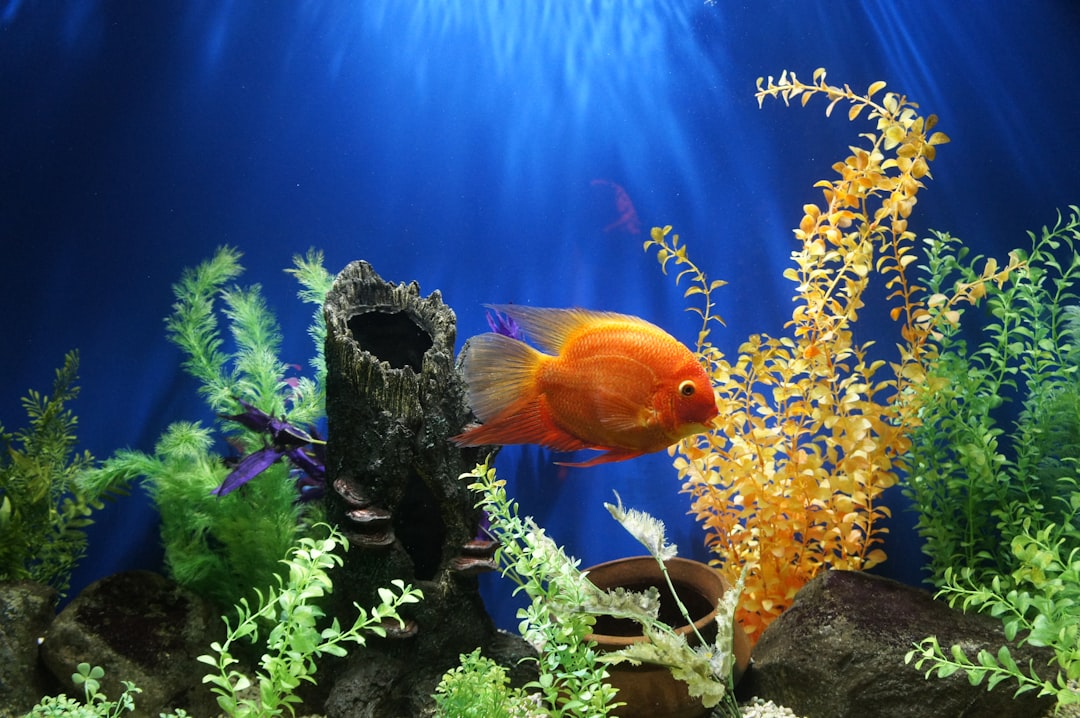
Coral quarantine is not optional if you value the livestock already in your display. A proper coral quarantine tank setup guide isolates new frags long enough to detect pests, break the lifecycle of hitchhikers, and confirm coral health before the introduction. This guide from Gensou Aquascaping at 5 Everton Park, Singapore walks through the 76 day fallow protocol — the same timeline used for fish ich — applied to coral pests whose eggs outlive a single dip. The setup below fits any spare 60-100 litre tank.
Quick Facts
- Quarantine duration: 76 days minimum for full pest fallow
- Tank size: 60-100 litres with bare bottom
- Lighting: one mid-range reef LED, half intensity of display
- Flow: one small powerhead at 10-15 times turnover
- Re-dip schedule: day 1, day 14, day 28, day 42
- Inspection frequency: daily under blue torch
- Cost in Singapore: $300-500 for full QT setup
Why 76 Days
The 76 day timeline originated from marine ich fallow requirements and happens to cover the lifecycle of most coral pests too. AEFW eggs hatch in 10-14 days and the hatchlings mature in another 21-28 days; two rounds of hatch-and-kill covers 56 days. Red bug eggs cycle in 3-4 weeks. Adding margin lands at 76 days, which is why reef-keepers who run fish quarantine commonly run the same period for coral. Shorter quarantines work in clean-source scenarios but miss edge cases.
Tank and Equipment
A bare-bottom 60-100 litre glass tank is ideal. Add a single small heater set to 25 °C, a sponge filter or hang-on-back filter with ceramic media seeded from your display sump, one small powerhead, and a mid-tier reef LED like a Kessil A80 or AI Prime 16HD run at 50 percent. Skip sand — detritus visibility matters. Skip rock beyond one small scrub-able piece for coral placement. Run the QT on its own RODI top-off to avoid cross-contamination.
Setting It Up
Cycle the QT in advance using a seeded sponge from the main display. Match salinity, temperature, and alkalinity to your main tank so transfers do not stress coral. Pre-mix 20 litres of backup saltwater for emergency water changes. Dedicate all tools — siphon hose, nets, magnet scraper — to the QT only. Cross-contamination between QT and display is the single biggest reason the protocol fails.
Day 1: Arrival and First Dip
Receive coral, drip acclimate for 45-60 minutes, then dip using Bayer at 1 ml per litre or CoralRx at 5 ml per litre for 5-10 minutes. Rinse twice in clean saltwater. Place in the QT on the bare bottom or a clean plug holder. Do not feed for 48 hours. Photograph each coral from multiple angles on arrival for later comparison.
Weeks 1-6: Observation and Re-Dips
Inspect daily under a blue torch — many pests fluoresce or show silhouettes only under actinic. Flatworms appear as oval shadows on coral tissue; nudibranchs cluster near the base. Re-dip on day 14, 28, and 42 to catch newly hatched pests from unseen egg batches. Between dips, blast the coral base with a turkey baster weekly to dislodge anything settling. Test parameters weekly; QT tanks drift faster than display tanks.
Weeks 7-10: Stability Phase
By day 42 most pest lifecycles have completed if present. Stop dipping and focus on stability — confirm the coral is growing, encrusting, and polyping normally. A coral that has not encrusted to its plug after 8 weeks is either receiving insufficient light or has subclinical stress; investigate before transferring. Continue daily visual checks.
Day 76: Transfer
On day 76, if no pests have been observed for 35 consecutive days, transfer the coral to the display. Rinse once more in fresh saltwater immediately before transfer. Place on the sand bed initially as with standard coral acclimation, even though lighting is not dramatically different — stress is always lower when the coral adjusts from a lower position.
Managing Multiple Arrivals
Treat each new arrival as resetting the 76 day clock for everything in the QT. Multiple coral from the same source can share a QT and share the timeline; mixing sources extends the quarantine for every coral involved. Many hobbyists run two parallel QT tanks to avoid bottlenecks — one at the start of its cycle, one near completion.
Common Failures
Skipping re-dips and treating QT as observation-only misses AEFW entirely. Using display-tank tools in QT defeats the protocol. Feeding heavily in QT fouls the water and stresses coral. In Singapore’s warm rooms, QT tanks overheat fast without a fan or small chiller — keep the room below 28 °C with air conditioning or a clip fan over the surface.
Related Reading



