
Reef Tank Flatworm Identification and Removal: Red, Rust and Acro Types
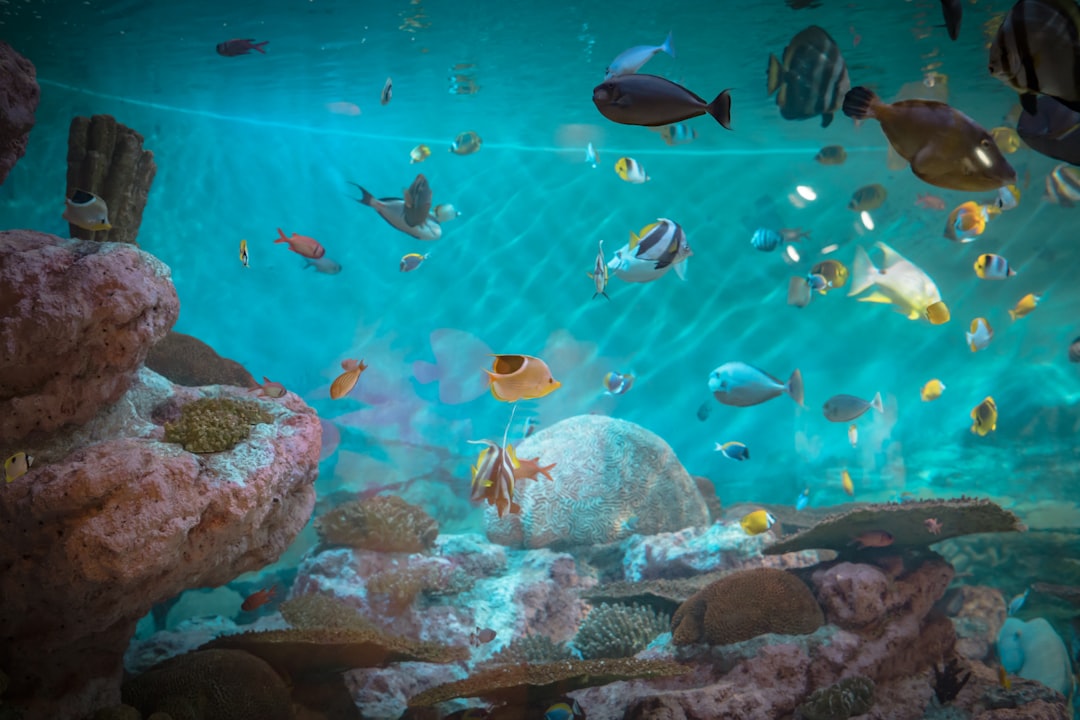
Flatworms rank among the most common and frustrating pests in marine aquariums. They multiply rapidly, smother corals, block light and release toxins when they die — making careless removal as dangerous as the infestation itself. This reef tank flatworm removal guide from Gensou Aquascaping at 5 Everton Park, Singapore identifies the three main types you will encounter and outlines safe, effective treatment strategies for each.
Red Planaria Flatworms
Convolutriloba retrogemma, commonly called red planaria, are the most frequently encountered flatworms in reef tanks. These small (2-5 mm), rust-red, oval-shaped worms congregate on glass, rock surfaces and coral tissue in areas of moderate flow and bright light. They reproduce asexually by budding — a single worm splits into two — allowing populations to explode from a handful to thousands within weeks. While they do not directly feed on corals, dense accumulations block light from photosynthetic tissue and irritate polyps into retraction.
Rust-Brown Flatworms
Slightly larger than red planaria and brown to dark rust in colour, these flatworms (Waminoa species) settle directly on coral tissue rather than glass and rock. They particularly favour Euphyllia, Discosoma mushrooms and zoanthids, spreading across the oral disc and tentacles. Their shading effect reduces the coral’s photosynthetic capacity, gradually weakening the host. Unlike red planaria, Waminoa flatworms are more resistant to chemical treatments and often require manual removal combined with coral dipping.
Acropora-Eating Flatworms
Amakusaplana acroporae, the Acropora-eating flatworm (AEFW), is the most destructive of the three. These tiny (1-3 mm), translucent worms match the colour of their SPS host, making them nearly invisible to the naked eye. They feed by consuming coral tissue, leaving distinctive bite marks — circular white patches that expose skeleton. Egg clusters appear as small brown spots on the coral’s underside. A heavy infestation can strip a colony bare within weeks, and because the worms are so well camouflaged, hobbyists often discover them only after significant damage has occurred.
Identifying Your Infestation
Location provides the first clue. Red planaria gather in high-light, moderate-flow zones on glass and rocks. Rust-brown flatworms sit directly on soft coral and LPS tissue. Acropora-eating flatworms are found exclusively on SPS coral surfaces, visible only under close inspection with a magnifying glass or macro lens. If your Acropora colonies show unexplained tissue loss with circular bite marks and you cannot see any obvious pest, examine the coral’s underside and base closely — AEFW and their egg clusters hide there.
Chemical Treatment: Flatworm Exit
Salifert Flatworm Exit and similar products containing the active ingredient Levamisole are effective against red planaria. Dose according to manufacturer instructions — typically one drop per 4 litres. Siphon out as many visible flatworms as possible before dosing to reduce the mass die-off. This step is critical: dying flatworms release a toxin that can crash your tank if thousands die simultaneously. Run activated carbon heavily during and immediately after treatment to absorb released toxins. Prepare fresh saltwater for an emergency water change of 30-50 percent in case livestock shows stress.
Coral Dipping for Targeted Removal
For rust-brown and Acropora-eating flatworms, dipping individual corals is more effective than tank-wide chemical treatment. Remove affected corals and immerse them in a concentrated coral dip (Bayer insecticide diluted 10 ml per litre, CoralRx, or Revive) for 10-15 minutes while agitating gently. Flatworms and eggs dislodge into the dip solution. Rinse the coral in clean saltwater before returning it to the tank. Repeat dipping every 5-7 days for at least three cycles to catch newly hatched worms from eggs that survived the initial treatment.
Biological Control
Several fish species prey on flatworms. The six-line wrasse (Pseudocheilinus hexataenia), yellow wrasse (Halichoeres chrysus) and spotted mandarin (Synchiropus picturatus) all consume red planaria. Blue velvet nudibranchs (Chelidonura varians) are dedicated flatworm predators that can clear an infestation within days — however, they starve once the food source is gone and rarely survive long-term. Biological control works best as a complement to manual and chemical methods, not a standalone solution.
Prevention and Ongoing Vigilance
Dip every new coral before adding it to your display — no exceptions. A 10-minute soak in a quality coral dip catches the majority of flatworms and eggs. Inspect SPS frags under magnification before purchase, checking the base and underside for AEFW egg clusters. Quarantining new corals in a separate system for two weeks with repeated dipping provides the highest level of protection. In Singapore, where coral frags circulate frequently through local trading groups and online marketplaces, these precautions are especially important given the interconnected nature of the hobby community.
Related Reading
- Hydra Removal in Aquariums: Traps, Treatment and Prevention
- Leeches in Aquariums: Identification and Safe Removal
- Aquarium Surface Scum: Causes and How to Remove It
- Balling Method Explained: Three-Part Reef Dosing for Stable Chemistry
- Black Beard Algae Removal Guide: BBA Causes, Treatment and Prevention



