
AGA Aquascaping Contest Entry Guide: Submission Tips
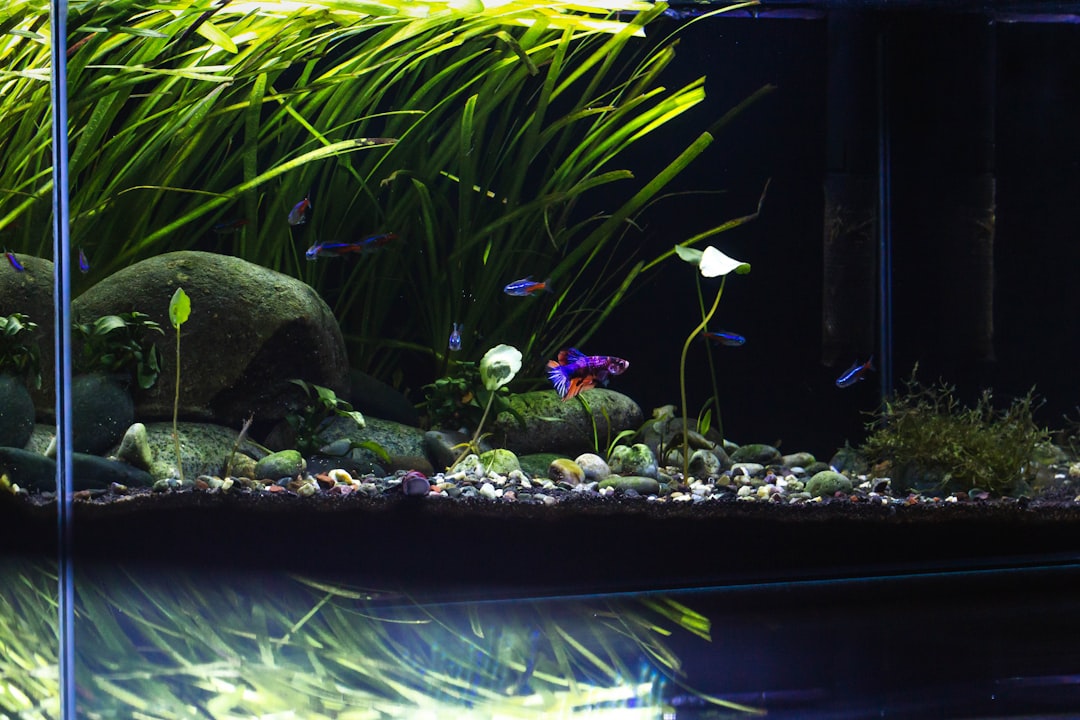
The Aquatic Gardeners Association International Aquascaping Contest (AGA) is the senior planted-tank competition in the English-speaking world, predating IAPLC by a few years and still holding its own as a photo-only, planted-only event. This AGA aquascape contest entry guide from Gensou Aquascaping at 5 Everton Park walks Singapore scapers through category selection, the photo standards that separate accepted entries from rejections, and the common pitfalls that waste a year of tank work on the submission alone.
Quick Facts
- Organiser: Aquatic Gardeners Association, United States
- Entry fee: free for members, small fee for non-members
- Tank categories: by volume, plus aquatic garden, biotope, paludarium
- Submission format: high-resolution photographs only, no video
- Typical submission window: August-September each year
- Judges: international panel of aquascaping experts
- Scoring: composition, plant health, originality, impression
- Results: published in AGA journal and online in October-November
Understanding the AGA Spirit
AGA is planted-focused and leans toward the classical Western aquascape tradition — Dutch style gets its own category, nature aquarium layouts sit in size-based categories, and wild card styles (paludarium, biotope, aquatic garden) are recognised without being squeezed into a nature box. The judging culture values plant husbandry as much as layout artistry. A Takashi Amano-style stone layout with half-dead HC cuba rarely scores well here.
Compared to IAPLC, AGA tends to favour tanks that look like they could be photographed again next week. Peak-day compositions with forced floral displays are treated with some scepticism by veteran judges. Grow your tank to a sustainable plateau.
Category Selection
Volume classes typically split into under 60 litres, 60-200 litres, 200-400 litres and over 400 litres, though exact bands shift year to year — check the current rules. Enter the category that matches your tank’s net water volume, not total gross volume.
Dutch style requires straat (street) plant arrangement, leyden street focal points, and strong colour-texture grouping. Biotope demands species authenticity to a defined geographic locale, documented with a short write-up. Aquatic garden is a catch-all for mature planted displays that do not fit the other buckets. Paludarium covers emersed/submersed hybrid setups.
Preparing the Tank for Submission
Plan the submission 4-8 weeks before the photograph date. Glosso, HC, Monte Carlo and similar carpet plants should be in their dense mid-growth phase, not leggy or melted. Ludwigia, rotala and other red stems need 2-3 weeks of consistent high-light conditioning to colour up.
Trim stems twice — once at 3 weeks out, final trim at 7-10 days before photo day. Last-minute heavy trimming removes the dense foliage that reads as maturity on camera. Clean glass, replace substrate surface clutter with a fresh thin sprinkle of fine sand where gaps show, and test-run the water change the day before to clear suspended particles.
The Submission Photograph
AGA requires high-resolution frontal photographs. Shoot with a DSLR or mirrorless camera, tripod-mounted, at the tank’s optical centreline — meaning the lens height matches the midpoint between substrate surface and water surface. A lens around 35-50mm equivalent focal length minimises perspective distortion.
Shoot at f/8-f/11 for depth of field that keeps front-to-back sharpness. ISO 100-400 depending on your lighting. Manual white balance custom-set from a grey card under the tank’s own light — auto white balance frequently casts a blue or magenta tint that shifts colour expression away from reality.
Lighting and Glass Preparation
Run the tank at normal photoperiod intensity for the photo. Do not overcrank lights — judges recognise blown-out highlights and suspiciously saturated reds. Turn off background ambient room light to prevent glass reflections, or use a polarising filter.
Clean the front glass inside and out. Inside: magnet scraper, then a razor pass for edges. Outside: microfiber with distilled water only. A streak on the glass reads as a visible flaw in a 3000-pixel-wide submission image.
Post-Processing Boundaries
AGA allows standard RAW development: exposure correction, white balance, contrast, sharpening, and dust-spot removal. It does not allow compositing, plant addition, substrate manipulation in post, or removal of equipment visible in the frame. Remove the heater and wavemakers physically before the shot, not in Photoshop.
Submitted images should look like natural representations of the tank as a viewer would see it. Over-processed HDR-style edits stand out to experienced judges and typically score lower on technical photography merit.
Metadata and Write-up
Each entry requires tank dimensions, water volume, filtration, lighting, substrate, plant list (Latin names), fish list, fertilisation scheme and photoperiod. Biotope entries require a geographic reference with citations. Keep a running notebook during the tank’s grow-out so this data is accurate on submission day.
A 100-150 word description accompanies each entry. Use it to explain layout intent, material choices and any novel technique. Judges read these. Well-written descriptions do not rescue a weak scape, but they add context that subtly lifts borderline entries.
Singapore Scapers: Logistics
AGA submissions are online via the association’s portal. No physical shipping, no border issues. Singapore scapers can compete on equal footing with American, European and Japanese entrants. Previous Singapore winners have scored in the 60-200L nature aquarium and biotope categories against global fields.
Time zone matters for the submission deadline — US Eastern Time cutoff lands around noon Singapore time the day after. Do not submit at the last minute; portal traffic spikes and uploads fail. Give yourself 72-hour buffer.
Related Reading
AGA Aquascaping Contest Guide
IAPLC Aquascaping Competition Guide
IAPLC Competition Entry Preparation Guide
How to Photograph Aquascape Competition
Aquascape Competition Preparation Guide



