
Discus Breeding Pair Selection Guide: Forming Bonded Pairs
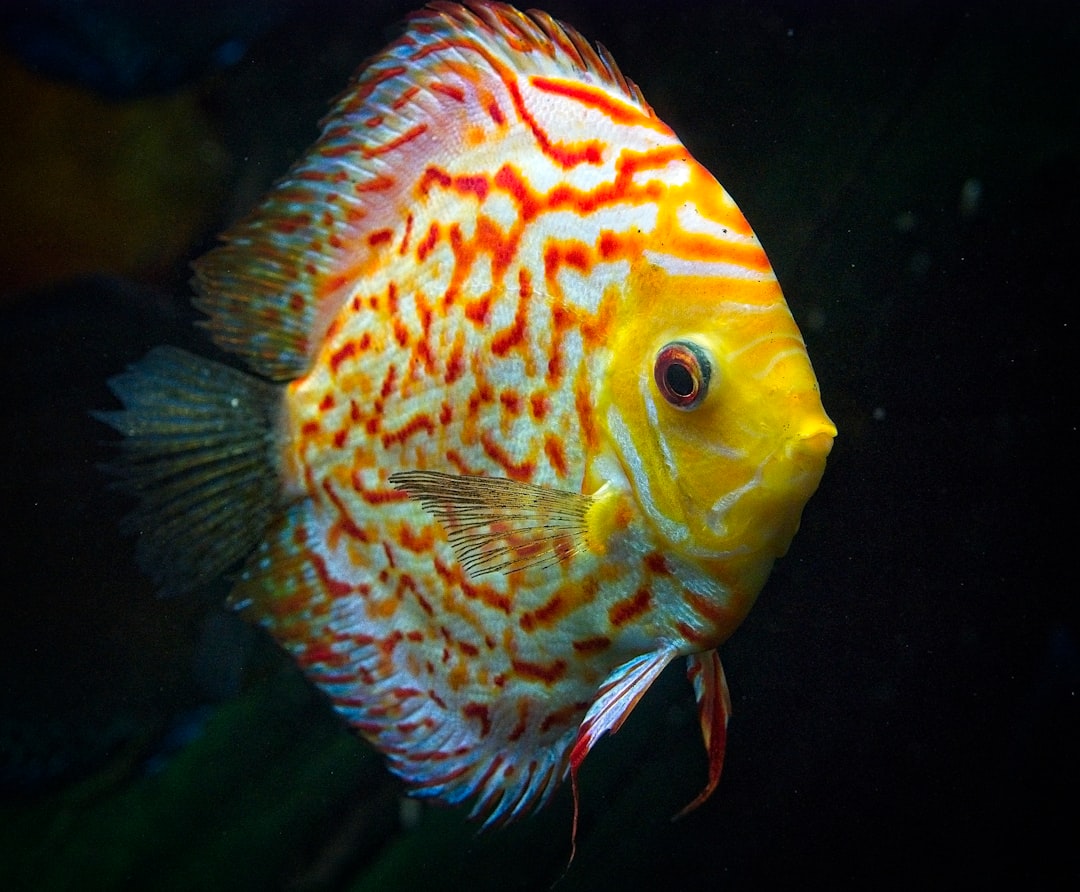
Getting a proven discus breeding pair starts years before the first spawn, with how you buy and grow out juveniles. This discus breeding pair selection guide from Gensou Aquascaping in Singapore covers the group-of-six method, the behavioural cues that mark a bonding pair, and the slate-and-slime parental routine that defines successful discus reproduction. The method applies across all Symphysodon aequifasciatus selections, from Stendker to pigeon blood to blue diamond.
Quick Facts
- Ideal starting group: 6-8 juveniles at 6-8 cm
- Minimum grow-out tank: 300-400 litres
- Pair formation typical age: 12-18 months
- Spawning water: pH 6.0-6.8, GH 2-4, 29-30°C
- Spawn substrate: vertical slate, cone or terracotta
- Eggs per spawn: 100-300
- Wrigglers attach and slime-feed on parents for 10-14 days
The Group-of-Six Principle
Discus pairs form by natural selection within a group, not by keepers matching two fish and expecting romance. Buy six to eight juveniles of the same strain and batch, ideally siblings, at 6-8 cm. Raise them together in a tall 300-400 litre tank on heavy feeding and 30 per cent daily water changes. As they mature, one or two pairs emerge from the group through courtship behaviour.
Buying a claimed “proven pair” from a shop carries risk. Many are untested, mis-sexed, or past productive age. The group method yields pairs you have watched form.
Sexing Adult Discus
Discus show very subtle sexual dimorphism. Males usually grow slightly larger with more pointed dorsal fin tips and a more domed forehead. Females show fuller bodies in breeding condition and blunter genital papilla. Field observations beat static inspection: courting pairs shake, clean surfaces together, and defend a small corner. That pairing behaviour is more reliable than morphology guesses.
Signs of a Bonding Pair
Watch for two fish separating from the group and defending a chosen vertical surface. They will clean slate or a filter intake with their mouths, twitch-shake body signalling at each other, and chase off other fish approaching the spot. Both partners develop extended genital papillae before spawning; the female’s tube is thicker and rounder, the male’s thinner and more pointed.
Separating the Pair
Once bonding is clear, move the pair to a dedicated 150-200 litre bare-bottom breeding tank. Include one vertical slate or terracotta cone, a mature sponge filter, and heaters set to 29-30°C. Water should sit at pH 6.0-6.5, GH 3-4, KH 1-2, TDS 200-250 ppm for tank-bred strains. Daily 25-30 per cent water changes maintain the quality wrigglers need.
Spawn Preparation
Condition the pair for two to three weeks on frozen bloodworm, mysis and brine shrimp, with a rinsed beefheart mix twice weekly. Feed four small portions daily. The female fills visibly with eggs and papilla extends. The male’s papilla becomes more pointed. Both will clean the chosen substrate repeatedly in the 24 hours before spawning.
Spawning and Fertilisation
Spawning usually happens in the evening. The female passes eggs in vertical rows on the slate while the male follows immediately to fertilise. A healthy spawn yields 100-300 eggs. Infertile eggs turn white within 24 hours; parents normally pick those off. Expect three or four spawns before new pairs produce reliable fertile clutches.
Parental Slime Feeding
Eggs hatch in 60 hours at 30°C. Wrigglers hang from mucus threads for another three days, then free-swim and migrate onto the flanks of one parent. The pair produces a thickened epidermal secretion (parental slime) that fry graze on for 10-14 days. Both parents share duty; when fry hit saturation on one, the parent flicks them over to the partner. This is the defining behaviour of the genus and cannot be replicated artificially without compromise to fry development.
Supplementing Fry Diet
From day 6-7 post-hatch, start offering newly hatched brine shrimp several times daily alongside slime. By week three, fry move fully onto brine shrimp, microworm and fine crushed flake. Continue 30 per cent daily water changes; fry water quality must be spotless. Separate fry from parents by week four to prevent continued slime dependency, which exhausts adults.
Problem Pairs and Artificial Rearing
Some pairs eat their spawns, usually first-time or heavily stressed parents. If three consecutive spawns fail, move eggs to a bare 20 litre tank on the third day with gentle air stone flow, methylene blue at 2 mg/l, and the same tank water. Hatch and raise artificially on brine shrimp. This loses the parental slime stage but preserves the genetics for the next selection round.
Long-Term Breeder Management
A productive pair spawns every 10-14 days for two years or more. Rest pairs for six weeks after every four spawns to prevent burnout. Track clutch size, fertility rate, and fry survival in a simple log. Pairs weaken with age; plan to grow out replacement groups every 18 months from your own best fry to sustain a breeding line.
Related Reading



