
Colombian Shark Catfish Brackish Care: Ariopsis Seemanni
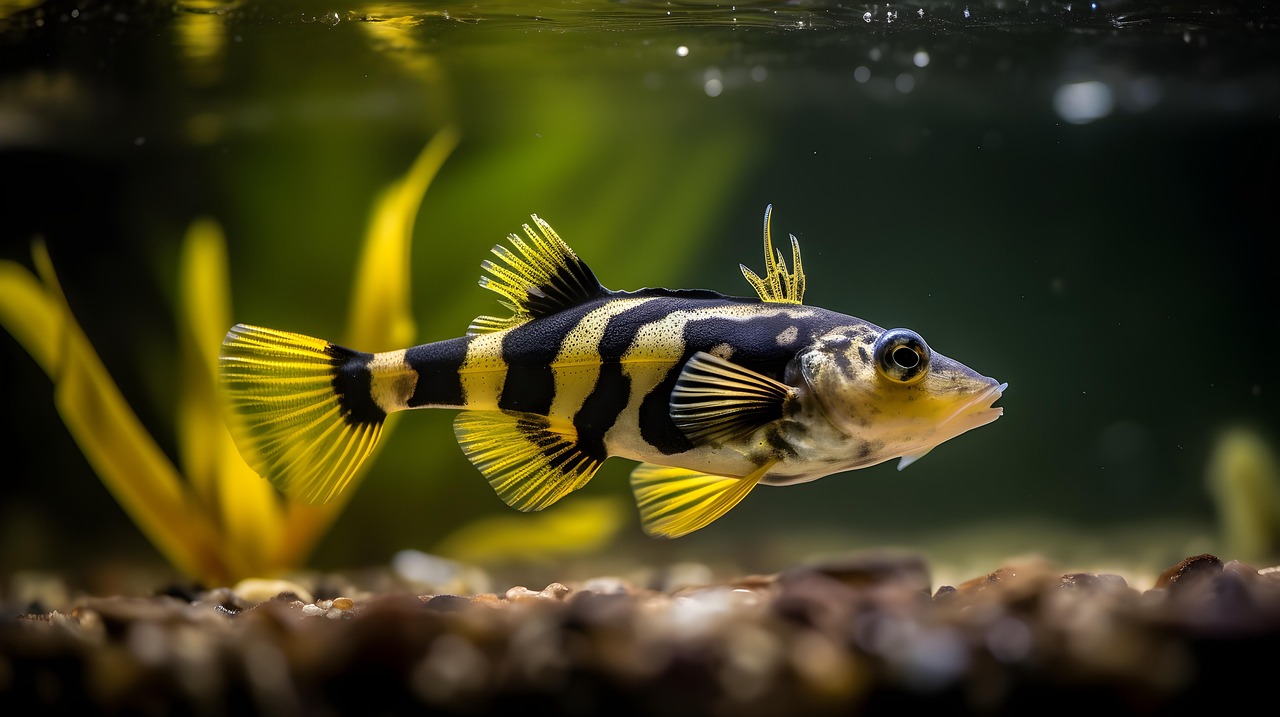
The Colombian shark catfish is one of the most consistently mis-sold fish in the Singapore trade — silver, sleek, sold as a “freshwater shark” and condemned to slow decline in standard community tanks. This colombian shark catfish brackish care guide from Gensou Aquascaping at 5 Everton Park covers Ariopsis seemanni, a 30 to 35cm schooling estuarine catfish that genuinely needs brackish-to-marine salinity, large tank space and group company. Get those right and the species becomes one of the most rewarding brackish fish you can keep.
Quick Facts
- Scientific name: Ariopsis seemanni (also Sciades seemanni)
- Adult size: 30 to 35cm in captivity, 50cm in the wild
- Minimum tank: 500 litres for a school of four to six adults
- Temperature: 24 to 28°C — Singapore ambient ideal
- Salinity: juveniles 1.005 to 1.010, adults 1.015 to 1.022
- Schooling: keep four or more, ideally six
- Mildly venomous dorsal and pectoral spines
The Mis-Sold Catfish Problem
Most Singapore aquarium shops sell juvenile A. seemanni in freshwater tanks alongside silver dollars and tinfoil barbs at $5 to $15 per fish. The juveniles tolerate freshwater for several months, leading buyers to believe the species is fully freshwater. By 15cm body length the fish begins to show stress: clamped fins, faded silver, mucus shedding and reduced feeding. Most are dead or rehomed within two years. The species is unambiguously brackish-to-marine for adults.
Natural History
Native to the Pacific coast of Central and South America from Mexico to Peru, A. seemanni inhabits estuaries, mangrove channels and coastal waters. Juveniles use low-salinity nurseries; adults school across coastal flats at near-marine salinity. The species is mouth-brooded by males, with the male carrying large yolk-rich eggs in his mouth for several weeks until fry release. Captive breeding in the hobby is essentially unrecorded.
Tank Size and Setup
Genuine adult housing requires 500 litres minimum, with a footprint of 180 by 60cm to support a school’s swimming pattern. Sand substrate is essential — gravel damages the soft barbels. Hardscape should be smooth and arranged to provide caves and current breaks without sharp edges. Plants are not viable in the salinity adults need.
Filtration must be heavy. Sump systems with a protein skimmer suit higher salinity setups; oversized canisters work for lower brackish ranges. Aim for 6x to 10x tank turnover. Cover the tank firmly — startled sharks jump.
Salinity Ramp
Use a refractometer. Buy juveniles at SG 1.005 to 1.008 if possible, or freshwater stock and ramp immediately. Raise salinity 0.002 per week as fish grow. By 18cm body length aim for SG 1.015; by 25cm SG 1.020 or higher. Adults thrive at full marine salinity (SG 1.025) and many long-term keepers eventually convert the system to a fish-only marine tank around the school.
Singapore Context
The species turns up almost weekly across C328 Clementi, Serangoon North Avenue 1, and various Pasir Ris fish farms. Pricing is irresistible to beginners — under $10 for a 8cm juvenile that grows into a 30cm fish needing a 500-litre system. Marine salt and aragonite sand are easy to source. Singapore’s ambient temperature is perfect; no heater or chiller is needed.
Schooling and Behaviour
A solitary A. seemanni hides constantly, refuses to feed reliably and rarely shows the species’ characteristic active swimming. A school of four or more cruises mid-water in tight formation, displaying the silver flash that gives the species its common name. The species is peaceful with companions of similar size and salinity needs.
Feeding
Carnivorous omnivores. Quality marine pellet, frozen mysis, krill, chopped prawn, mussel, squid and the occasional small feeder fish all work. Two feeds per day for growing juveniles, once daily for adults. Avoid feeder goldfish (thiaminase issues over time). The species’ barbels are highly sensitive — they detect food settling on the substrate even with the lights off.
Mildly Venomous Spines
The dorsal and pectoral spines carry a mild venom that produces sharp pain, swelling and occasional fever in puncture wounds. The risk is real for shop staff and aquarists handling fish during transfers. Use a soft net or a plastic container rather than bare hands; never lift by gripping the body. Hot-water immersion at 45°C for 30 minutes denatures the venom; persistent symptoms warrant medical attention.
Tank Mates
Pair with monos, scats, archerfish or larger brackish gobies — species that share salinity preference and are large enough to ignore. Avoid small tetras, dwarf shrimp and any slow bottom-dweller, which become food. Pufferfish are unsuitable because of nipping behaviour. Large knight gobies and target gobies make excellent floor companions.
Common Problems
Chronic freshwater housing causes the bulk of long-term illness — fin erosion, bacterial skin infections, loss of barbel tips and stunted growth. The cure is always salinity correction, ramped slowly over months. Marine ich becomes a risk above SG 1.015 and responds to hyposalinity if caught early. Damaged barbels usually regrow if the underlying water quality and substrate are corrected. Plan for the adult fish before buying the juvenile.
Related Reading



