
Giving Aquarium Club Talk Guide: Slide Deck and Demo Prep
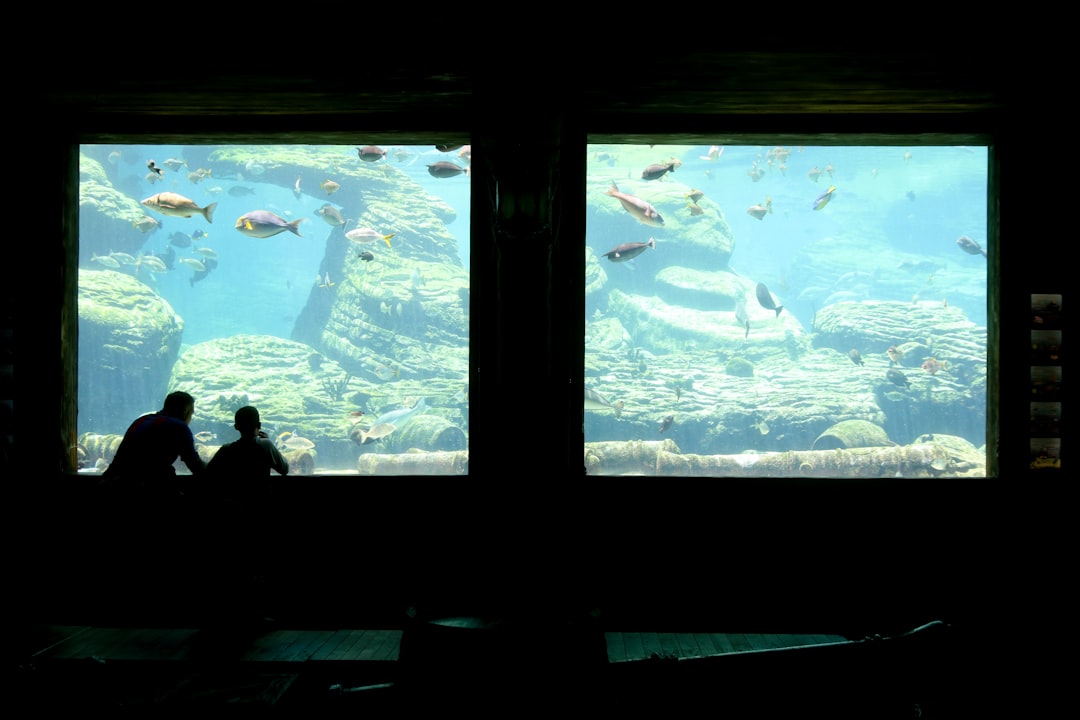
Standing in front of twenty fellow hobbyists is harder than running a reef tank, and the nerves are real even for people who can dose Balling solutions blindfolded. This giving aquarium club talk guide is written for the first-time presenter invited by their local aquascaping society, compiled from a decade of talks given and watched by Gensou Aquascaping at 5 Everton Park. A good talk leaves the audience with two or three specific, actionable ideas; a bad one bores a captive room and damages the speaker’s reputation. The difference is overwhelmingly about preparation, not charisma.
Define the Single Takeaway
Before opening any slide software, write one sentence: “After this talk, the audience will be able to ___.” Filling that blank with “know about shrimp” is failure. Filling it with “set up a Caridina tank with stable TDS 100-120 in Singapore tap water” is success. Every slide after that either supports the sentence or gets cut.
Amateurs cover a topic; professionals compress it. A 30-minute slot should carry no more than one core idea and three supporting sub-points.
Structuring the Deck
Use a simple five-act structure: hook, problem, method, result, Q&A. Two slides per act is plenty. That is ten slides for a 30-minute talk — far fewer than most beginners attempt. Audiences remember two or three images; they remember almost nothing from slide 27.
Open with a striking photograph, not a title slide. A full-bleed shot of a finished aquascape earns attention within seconds. Close with a single slide showing your contact and a link to any reference material, not a “Thank You” slide.
Slide Design Fundamentals
Dark backgrounds photograph better than white in dim club rooms. Stick to one typeface in two sizes. No more than six words per slide in the title bar and no body-text paragraphs — if a slide needs a paragraph, you should be speaking it, not reading it. Replace bullet lists with full-bleed images of your own tank at each stage.
Use the exact scientific names of every species shown (Caridina cantonensis, Cryptocoryne wendtii) in italics. Audiences trust speakers who get the taxonomy right, and local members often know more than you think.
Photography Homework
The photographs are the talk. Spend a weekend shooting your own tanks with attention, not grabbing phone snaps the night before. Turn off return pumps for still water, wipe the glass, and follow the aquarium photography guide for white balance and angle. A 24 MP camera is not required — a recent phone and a sturdy tripod beat a shaky DSLR every time.
Process all images to the same colour profile so the slide flow feels unified. Mixing warm shots from one tank and cool shots from another makes the deck feel cobbled together.
Preparing Live Demos
A short live demo — planting a new cutting, setting CO2 drop checker, aquascaping a 20 cm cube — separates memorable talks from forgettable ones. The risk is equipment failure on stage. Always prep twice: one complete kit for the demo, one full backup kit already unpacked in a side bag.
Rehearse the demo three times at home with a timer. What feels like two minutes at your bench expands to five on a stage with questions flying. Cut aggressively until the demo takes three minutes maximum.
Rehearsing the Spoken Flow
Run the full talk out loud at least twice — once into a phone camera, once to a patient spouse or friend. Watch the recording back at 1.25x speed to find the dead air, the repeated filler words and the slides where you lose energy. Fix those slides before the event. Reading notes is fine if they are cue cards, not a full script.
Timing and Q&A Management
If the host gave you 30 minutes, plan for 22 minutes of content plus 8 of Q&A. Audiences remember the Q&A more than the talk itself, so leave room for it. Prepare three “seed” questions a co-host can ask if the room goes silent. Answer questions in two sentences or less — a long answer to one question robs three other attendees of their turn.
Handling Hostile or Know-It-All Questions
Every club has one attendee who wants to correct the speaker. Accept gracefully (“Good point, I’ve seen that too in softer water”), bridge back to your content, and move on. Never argue in front of the room. If you are genuinely wrong about something minor, correct it openly — it builds trust for the rest of the talk.
Physical and Technical Setup
Arrive 45 minutes early. Test the projector, HDMI adaptor, microphone and your laptop’s sleep settings (disable them). Carry the slide deck on both laptop and USB stick. Bring a water bottle, a spare dongle and a clicker. Dress one notch smarter than the audience — in Singapore aquascaping circles, that usually means a clean polo, not a suit.
After the Talk
Post the deck as a PDF in the club’s channel within 48 hours, even if you did not promise it. Reply to comments within a week while the event is fresh. Save the deck as a template — your second talk will take half the time to prepare, and by the third you will have a genuine portfolio. Speaking at the local clubs is how people become recognised voices in the scene, and the only path in is the first awkward thirty minutes behind a microphone.
Related Reading



