Pagoda Stone African Cichlid Use: Layered Rockwork
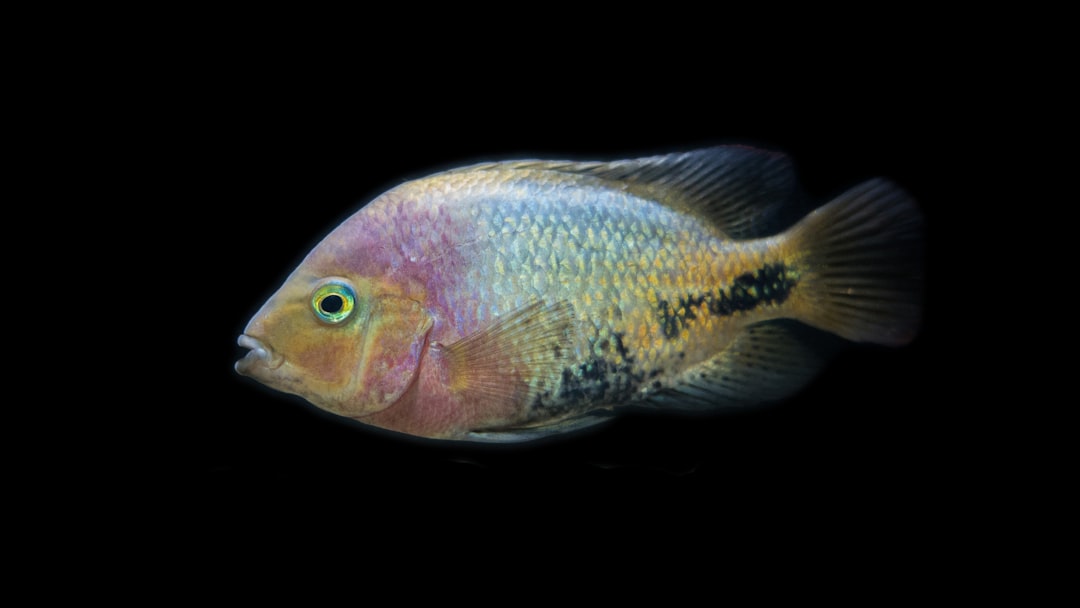
Pagoda stone’s horizontal layered structure reads like geological laminate, and for African cichlid keepers it offers cave-building opportunities that round stones cannot match. Thoughtful pagoda stone African cichlid use means treating each layer as a potential shelf, each seam as a potential tunnel and the overall form as a sedimentary outcrop that could plausibly exist in Lake Malawi’s rocky shore. This guide from Gensou Aquascaping at 5 Everton Park covers selection, stacking, and the chemistry implications Singapore keepers need to plan around. Expect a distinctively dramatic aesthetic that Mbuna and Tanganyikans both suit.
What Pagoda Stone Is
Pagoda stone is a layered sedimentary rock, typically a silty limestone or calcareous shale, with visible banding that forms naturally into step-like shapes. Most aquarium supply comes from Chinese quarries in Guangdong and Yunnan. The stone is moderately dense at around 2.4 g per cubic centimetre and moderately soft; it carves with a masonry chisel. Its banded appearance gives instant visual interest without dramatic stacking.
Buffering Behaviour to Expect
Because pagoda is calcareous, it raises kH and pH gradually, much like true seiryu. Expect 2 to 4 dKH lift per month in a 200 litre tank, and pH settling around 7.8 to 8.2 from SG tap’s native 6.8 to 7.2. That happens to match what African cichlids want, so pagoda is one of the few stones where the buffering effect is a feature rather than a bug. See our how to harden soft water aquarium piece for the broader water prep protocol.
Stacking the Layers
The natural bedding plane makes pagoda almost self-levelling. Place the thickest, flattest piece as the base, then stack successive layers offset by 15 to 25% to create overhangs. Each overhang forms a potential cave roof. A 90 cm tank typically needs 15 to 20 kilograms of pagoda to build two medium rock formations with good cave density. Our aquascape rock stacking guide covers the leverage calculations to keep overhangs safe.
Cave Design for Mbuna
Mbuna want defensible holes slightly larger than the fish. Use smaller pagoda pieces as spacers between larger shelves, creating gaps of 8 to 15 cm that fish can enter and defend. Back the caves against rear glass or against a second pagoda formation to create enclosed feeling without trapping fish. Design coordinates with our lava rock mbuna cichlid aquascape guide logic for cave counts.
Tanganyikan Applications
Tropheus and shell-dweller tanks benefit from pagoda’s horizontal emphasis because Lake Tanganyika’s shore biotope features similar sedimentary banding. Build shoreline-style layered formations for Tropheus and leave open sand flats with scattered shells for occelatus. Our lake tanganyika biotope aquascape article covers the biotope principles in depth.
Weight and Floor Loading
Pagoda’s density means a 4-foot tank can carry 40 to 60 kilograms of rock easily. For HDB tanks the full wet weight including substrate, water and rockwork can exceed 250 kilograms, which is within floor load limits but worth verifying against tank position. Place tanks along load-bearing walls rather than mid-room where joists flex more.
Preparation Before Submerging
Pagoda carries fine clay and mineral dust in its layers that releases slowly over weeks. Pressure-wash each piece with a garden hose nozzle, then soak for 72 hours in a bucket with two water changes. Testing kH before and after the soak tells you what to expect in the tank; typical rinse water kH rises from 1 to 4 over three days, which is normal and correct.
Pricing in Singapore
C328, Polyart and Iwarna stock pagoda at $7 to $12 per kilogram. Larger signature pieces above 5 kilograms command premiums. Carousell sees intermittent bulk lots from closed tanks, sometimes at $3 to $5 per kilogram for unselected stone. For a full 4-foot cichlid tank build, budget $200 to $400 on rockwork alone.
Maintenance and Algae
Pagoda’s porous surface encourages green algae growth in well-lit tanks, which many African cichlid keepers welcome as it resembles natural reef aufwuchs. Nerites, bristlenose and Mbuna themselves graze this layer. Annual rework lets you scrub away excessive build-up; white efflorescence indicates over-active buffering and suggests a partial water change schedule adjustment.
Combining With Other Stones
Pagoda mixes well with lava rock, giving you density contrast and colour contrast. Avoid mixing with ohko or Frodo whose inert chemistry and different textures fight pagoda’s layered identity. A common SG build uses pagoda as the main feature stones with lava rock as fill and background. Review best aquarium hardscape rocks compared for compatibility notes.
Long-Term Character
Pagoda ages gracefully. Biofilm softens sharp edges within a month, calcium deposits highlight the layer structure over years, and the stone stays structurally sound indefinitely in freshwater. Done well, a pagoda African cichlid tank looks better at year three than day one. Plan for that patina rather than fighting it.
Related Reading