Pico Reef 1 Gallon Feasibility Guide: Stability Limits
Every few months someone posts a gorgeous 1 gallon reef on Instagram and inspires a wave of Singapore hobbyists to buy a jar and a coral frag. The photos rarely show the tank six months later. This pico reef 1 gallon feasibility guide from Gensou Aquascaping at 5 Everton Park lays out exactly what 3.8 litres can and cannot sustain, which species have a fighting chance, and at what point the maintenance cost exceeds the cost of a larger tank. The short answer is that a 1-gallon reef is possible but demands discipline most reefers do not realise until they have already lost their corals.
The Physics of 3.8 Litres
Water volume buffers everything: temperature, salinity, pH, alkalinity and waste concentration. Halve the volume and you double the rate of change for any given energy input. A single evaporation day in a Singapore HDB kitchen can push 1 gallon salinity from 1.025 to 1.030 overnight without automatic top-off. This is not a rule of thumb; it is arithmetic that does not care how experienced you are.
What a Pico Cannot Do
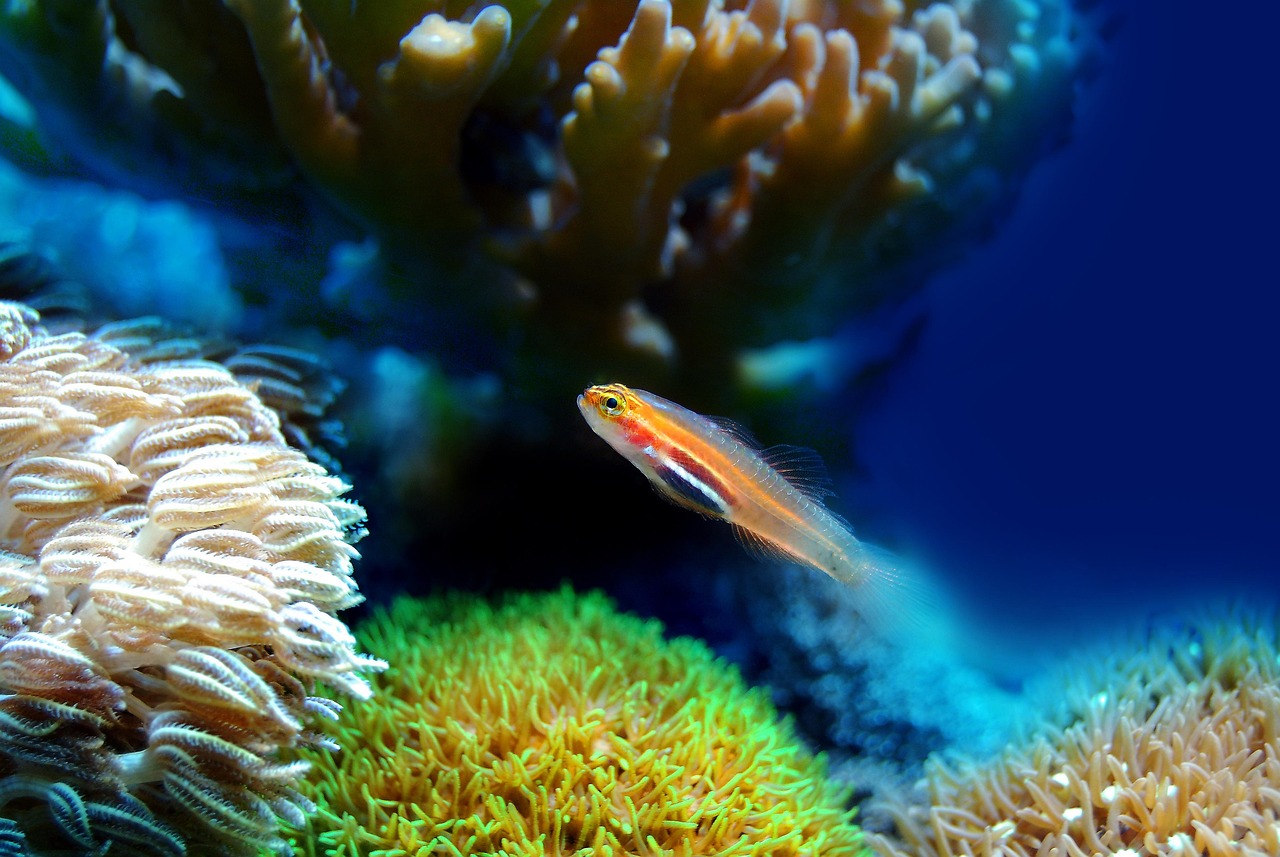
Skip the idea of stocking fish. Even a tiny Eviota goby produces enough ammonia to overwhelm the biological filter in a tank this small. Corals with sweeper tentacles like torch are out because the footprint leaves no buffer zone. Anything requiring stable alkalinity like SPS will crash during your next long weekend away. A pico is a softies and shrooms tank, full stop.
Realistic Stocking
Think zoanthids, ricordea, a single sexy shrimp (Thor amboinensis) and one small hermit or nassarius snail. That is it. Two or three mushroom rocks with a zoa colony fills the visible real estate without overwhelming the bioload. Our pico reef coral stocking guide works through species compatibility at this scale in detail.
Heating and Cooling in the Tropics
Singapore ambient sits around 28-32°C indoors, which matches reef temperature naturally; a heater is rarely needed. The challenge is summer afternoons when an apartment without aircon climbs to 33°C. A single clip fan will drop a pico by 2°C through evaporation but also speeds salinity drift, forcing daily top-off. A small thermoelectric chiller rated for 50 litres is overkill but provides the stability a pico demands.
The Top-Off Problem
A 1 gallon uncovered tank can lose 100 ml per day in an air-conditioned room, more on warm days. Without an ATO, salinity swings make stable coral growth impossible. The catch is that commercial ATOs rarely fit a 1-gallon reservoir footprint; you end up with a $120 Tunze ATO in a $40 tank. A gravity-fed bottle with a ball float valve is the pragmatic compromise used by experienced pico keepers.
Water Changes as the Filter
Forget protein skimmers at this scale. The only practical filtration is 50% weekly water changes, which reset nutrients and replenish trace elements in one go. Mix 2 litres of saltwater with a refractometer calibration every Sunday and the tank hums along. Miss two weeks in a row and algae take over. This discipline separates successful pico reefers from the ones posting heartbreak threads on forums. The economics mirror points from our saltwater aquarium cost breakdown singapore analysis.
Lighting a Pico
A small clip-on reef LED like the AI Prime Fuge, Kessil A80 or a generic 30W nano unit is sufficient. Keep PAR at the sand bed around 80-120 so soft corals stay happy without bleaching. Photoperiod of 6-7 hours with a 1-hour ramp avoids algae. Do not overbuild lighting for future upgrades; a pico will never house SPS so the extra wattage only heats the water.
Parameter Monitoring
Hanna checkers for alkalinity and a refractometer are non-negotiable. Test weekly before water change and again after. A calcium reactor or two-part dosing makes no sense at this volume; a single water change provides all the ionic replenishment a pico needs. If alkalinity still drifts, the water change percentage is too small.
When a Pico Actually Makes Sense
A 1-gallon reef is a demonstration piece or a quarantine cube, not a main display. It works on a work-from-home desk where you see it hourly and catch problems within minutes. It fails badly as a hands-off office tank because the margin for error is measured in hours, not days. If the tank must survive a week of neglect, it needs to be at least 40 litres; the volume buffer is non-negotiable.
Cost Reality
Total investment for a viable pico reef in 2026 Singapore: $180-250 for tank, light, heater, refractometer and test kits, plus $30-80 per coral frag. The same budget buys a 30-litre all-in-one nano that is dramatically easier to maintain. Our budget reef tank setup singapore piece runs the numbers at various volumes.
The Honest Recommendation
Build a pico only if you already run a successful reef. The skills that make a 200-litre mixed reef thrive are the same ones a pico demands in concentrated form. For a first saltwater tank, step up to at least a 30-litre cube; the learning curve is steep enough without the physics working against you.
If you still want to try a pico, treat it as an intentional exercise in discipline rather than a shortcut into reefkeeping. Document parameters weekly, photograph the tank monthly, and set a six-month review point where you decide honestly whether the maintenance burden is sustainable. Many pico reefers quietly upgrade to 40-60 litre nanos after the first year because the time saved offsets the extra water volume cost.
Related Reading