
Pico Reef Coral Stocking Guide: What Fits in 10 Litres
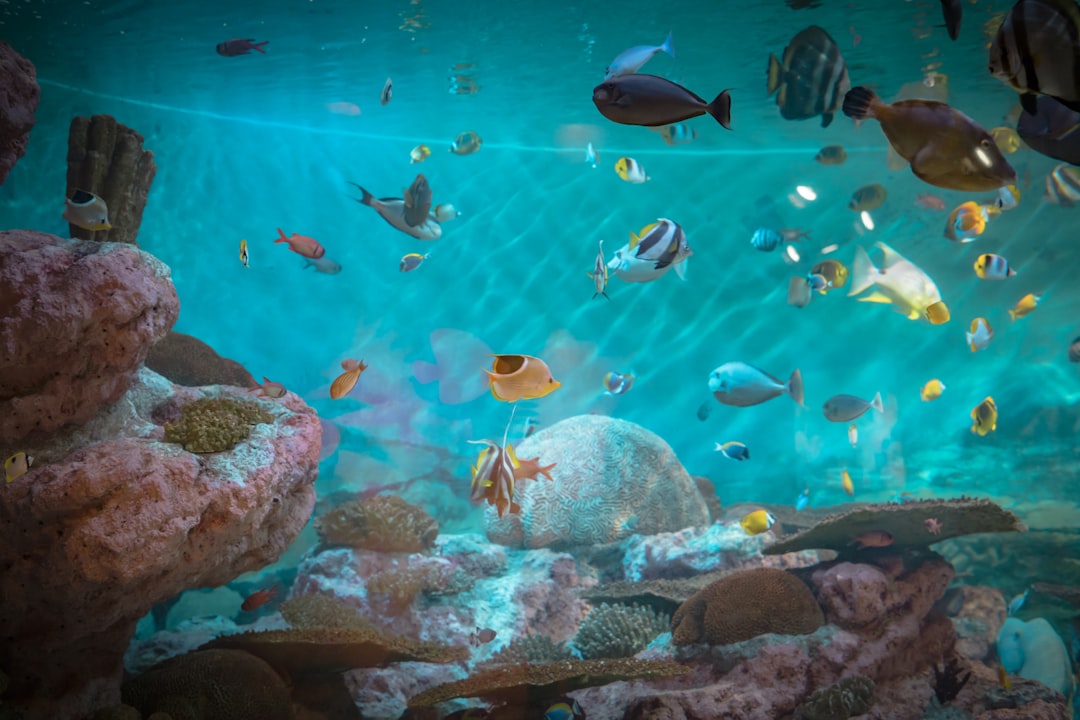
A pico reef under 20 litres is the most unforgiving build in the saltwater hobby. Water volume is small enough that a single stressed coral or a skipped water change shifts parameters overnight. This pico reef coral stocking guide from Gensou Aquascaping at 5 Everton Park covers the species that genuinely thrive in 10 litres, the ones that will disappoint you, and the flow, light, and placement that make micro-reef stocking work.
Quick Facts
- Target volume: 5-20 litres (true pico range)
- Coral count realistic: 6-12 small frags in 10 litres, spaced generously
- Water change schedule: 15-25 percent weekly, non-negotiable
- Parameters: SG 1.025, Alk 8-9 dKH, Ca 420-440 ppm, Mg 1300-1400 ppm
- Light: 20-40 W high-quality LED (Kessil A80, AI Prime 16HD dimmed)
- Flow: 30-50x tank volume per hour, turbulent not laminar
- Avoid: aggressive LPS, fast-spreading softies, SPS requiring super-stable chemistry
Understanding Pico Constraints
Pico reefs swing hard. A 10 litre tank that loses 300 ml to evaporation in a day rises 3 percent in salinity without an ATO. Temperature control, likewise, has minimal thermal mass; a chiller or tight ambient control is essential in Singapore. These swings determine what you can and cannot keep.
Chemistry depletion is rapid. Ten corals consuming alkalinity in 10 litres can drop dKH by 0.5 per day, meaning even weekly water changes may not be enough for fast growers. Dosing two-part in tiny increments starts to make sense even at this scale.
The Reliable Softies
Soft corals tolerate pico instability better than stony corals. Zoanthus and Palythoa species are the backbone of almost every pico display; a 5 cm frag plate of mixed colour morphs delivers visual impact for years. Budget $15-80 per frag depending on rarity, with common morphs like Eagle Eye, Fire and Ice, and Rastas affordable locally.
Mushroom corals (Discosoma, Ricordea florida, R. yuma) handle pico conditions beautifully. Three or four Ricordea morphs on a separate rock give strong colour without spreading invasively. Avoid Rhodactis and Actinodiscus bounce mushrooms; they multiply aggressively and overrun small tanks.
LPS Choices for Pico
Small-polyp LPS suit the scale. A single small Duncanopsammia axifuga frag with 2-3 heads provides visual presence and forgiving care. Acanthastrea and Micromussa lordhowensis frags at 3-4 polyps each make excellent focal corals under moderate light.
Skip large-polyp LPS: no torches, no hammers, no frogspawn. Their sweeper tentacles are lethal in confined space, and mature specimens overwhelm a 10 litre footprint. Trumpets (Caulastrea) are borderline; a 2-head frag can work if given space and strict Alk stability.
SPS: Mostly Skip
True SPS (Acropora, Seriatopora, Montipora) needs ULNS-level stability that picos rarely deliver. The exceptions are hardy encrusting Montipora (M. digitata, M. capricornis) and Pocillopora damicornis, which tolerate minor parameter drift. Keep these as single small frags, not collections.
For keepers determined to try SPS in a pico, automate top-off, dosing, and temperature control first. A $300 ATO plus $200 two-part dosing rig on a $150 tank sounds inverted, but that is the price of stable SPS chemistry at pico scale.
Fast Spreaders to Avoid
Green star polyps (GSP), xenia, anthelia, and yellow polyps will colonise your entire hardscape within 12 months in a pico. They are pretty for a season, then a problem forever. If you want one, isolate on a free-standing rock island that does not contact the main reef structure.
Light and Flow Requirements
A 20-40 W LED is ample for a 10-20 litre pico. The Kessil A80 Tuna Blue at $250 SGD suits most builds perfectly; the AI Prime 16HD runs slightly overpowered but dimmed to 40 percent gives controllable spectrum for colour tuning. PAR targets: 80-150 at softie/LPS placement, 200-350 for any SPS.
Flow from a single nano wavemaker (Tunze 6015, Sicce Voyager Nano 1000) produces the turbulence corals need. Position to bounce off the front glass rather than blasting rockwork directly. No coral should be in direct laminar current in a pico; sweep corals sideways with random motion.
Placement Strategy
Leave 3-5 cm minimum between coral colonies. This seems wasteful in a small tank until you see how growth closes the gap in six months. Place aggressive species (Euphyllia if you insist, chalices, Favia) on outer edges where swimming room is greatest.
Stagger heights. Low-light species (mushrooms, some zoa morphs, duncan) sit on the sand or low ledges. Mid-light species (most zoanthids, acan, Ricordea) take mid-scape. High-light species (SPS, if any) go on the peak. Vertical layering multiplies usable surface area in a pico.
Stocking Order and Quarantine
Start with bulletproof softies (zoa, mushroom) for the first 6-8 weeks. Add LPS once alkalinity is stable across three consecutive weekly tests. Add any SPS only after the tank has run for 4+ months with stable parameters.
Dip every coral incoming. Bayer Advanced Complete at 5 ml per 500 ml saltwater for 5-10 minutes, rinsed twice, kills flatworms, nudibranchs, and red bug hitchhikers. In a pico, a single red bug infestation can destroy every Acropora in weeks.
Water Change Discipline
Weekly 20 percent changes with matched-temperature, matched-salinity saltwater are the foundation. Mix saltwater 24 hours ahead and test SG before use; aim for 1.025 at 26 C. Most pico failures trace back to water change shortcuts, not equipment.
Keep a running log of alkalinity and calcium. A healthy pico running this coral stocking guide tests stable week-over-week within 0.5 dKH and 20 ppm Ca, and that stability is what allows the coral collection to grow for years rather than months.
Related Reading
Pico Reef Tank Setup Guide
Pico Reef Aquascape Under 20 Litres
Zoanthid Coral Care Guide Beginners
Ricordea Mushroom Coral Care
Duncan Coral Duncanopsammia Care



