
Nitrite Poisoning Fish Treatment: Brown Blood Disease
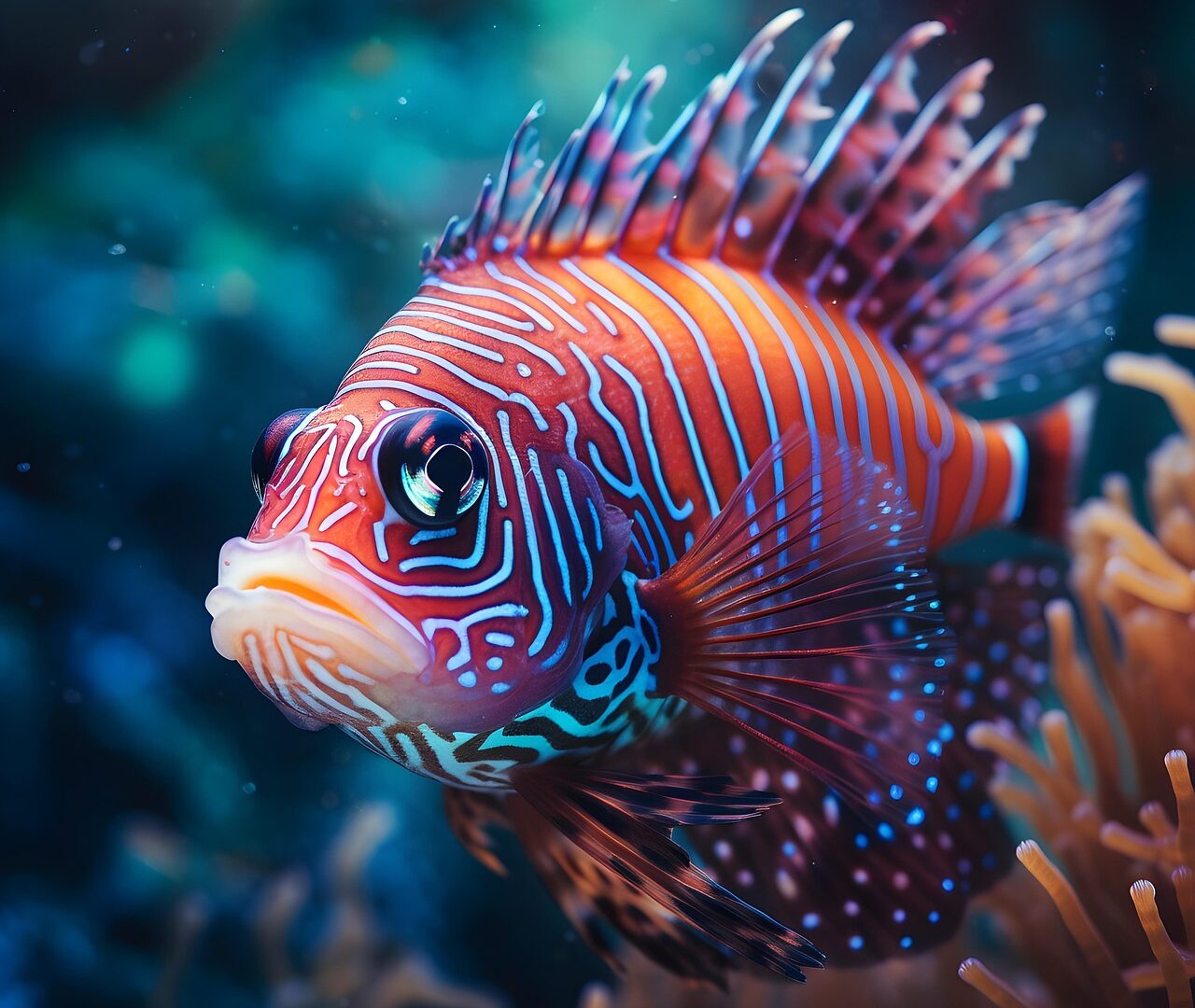
A fish gasping at the surface in a beautifully clear tank is the most frustrating type of emergency, because the culprit is invisible and the keeper is often convinced nothing is wrong. Effective nitrite poisoning fish treatment starts the moment you test and confirm elevated NO2, because the damage, technically brown blood disease or methemoglobinemia, happens at the cellular oxygen level regardless of how clear the water looks. This guide from Gensou Aquascaping at 5 Everton Park covers the salt-and-Prime protocol that has rescued countless Singapore tanks from mid-cycle disasters and filter failures.
What Brown Blood Disease Actually Is
Nitrite in the bloodstream binds to haemoglobin and converts it to methaemoglobin, which cannot carry oxygen. The blood turns from bright red to chocolate brown. The fish effectively suffocates in oxygen-rich water. Gill tissue also suffers direct damage; by the time you see symptoms, cellular injury has begun.
Recognising the Symptoms
Fish hang at the surface or near filter outputs, gasp with rapid gill beats, and lose appetite. Lips and gill edges appear purplish in pale-coloured species. Tetras and rasboras collapse first; bettas and labyrinth fish hold out longer because they breathe atmospheric air. Goldfish and koi tolerate mid-range nitrite but show lethargy and reduced colour. Shrimp are exquisitely sensitive; dead shrimp in an apparently cycled tank is an early nitrite warning.
Confirming with a Test
Do not guess. Test with a reliable liquid kit such as API Freshwater Master, JBL Proaqua or Salifert, and test ammonia simultaneously. Readings above 0.25 ppm nitrite require action, above 1 ppm require urgent action. Strip tests are acceptable for quick screening but confirm with liquid reagent. The aquarium nitrite spike guide walks through interpretation.
First-Line Response
Immediately perform a 30 to 50 percent water change with temperature-matched, dechlorinated PUB tap water. Use Seachem Prime at one capful per 200 litres; Prime binds nitrite into a non-toxic form for 24 to 48 hours, buying time while biological filtration catches up. Continue daily 25 percent changes with Prime until nitrite reads zero.
Chloride Salt as Emergency Therapy
This is the counter-intuitive but scientifically solid part. Chloride ions compete with nitrite for uptake at the gill, reducing how much nitrite enters the bloodstream. One gram of non-iodised aquarium salt per litre provides roughly six to one chloride-to-nitrite protection at typical spike levels. Freshwater tetras, corydoras and plants tolerate this dose short-term; our aquarium salt guide covers species cautions. Marine tanks get chloride from sea salt already, but rapid salinity adjustment is unwise.
Common Causes in SG Tanks
Mid-cycle ammonia-to-nitrite transition in new tanks is the textbook cause; the nitrogen cycle guide explains. Established tanks usually spike after filter media replacement, power outages that killed biofilm, aggressive deep-substrate vacuuming, overfeeding, or sudden addition of too many fish. HDB keepers sometimes create spikes unknowingly by running activated carbon over old tap-conditioned water that released bound ammonia back into solution.
Maintaining Oxygen During Recovery
Stressed gills and methaemoglobin both impair oxygen uptake, so compensating with increased surface agitation and airstone output helps. Run a powerhead angled at the surface, lift spray bars above water level, and keep temperature toward 26 degrees rather than 28 to 30 while the fish recover. The how to increase oxygen guide covers technique.
Feeding Through the Spike
Stop or reduce feeding to one-quarter normal until nitrite drops to zero. Every pellet eaten adds to the ammonia load your struggling filter must process. Lightly sprinkling food every second day for a week is fine; fish tolerate short fasts far better than recurring chemical insults. Resume normal feeding only once both ammonia and nitrite test zero for three consecutive days.
Filter Media Troubleshooting
If nitrite persists beyond a week on this protocol, your biological filtration is seriously compromised. Check for a recently changed filter pad that removed all the bacteria, a blocked intake starving media of water, or a heater failure that chilled the filter. Seeding with a handful of mature media from a healthy tank, or a dose of commercial bottled bacteria such as Dr Tim’s or Seachem Stability, accelerates recovery.
Long-Term Gill Damage
Survivors of serious nitrite exposure sometimes carry permanent gill damage that shortens lifespan and leaves them more vulnerable to future parasitic infection. Fish that survived are typically fine for years with good husbandry; they are simply less resilient than tank mates who did not experience the spike. Monitor them closely during future stressors.
Prevention Habits
Test weekly during the first three months of any new tank, test monthly on established tanks, never change all filter media in one go, stock conservatively, and keep a packet of Prime plus a bag of plain non-iodised aquarium salt in your tank cupboard for emergencies. Five minutes of testing per week prevents most of the genuine crises we see walking into the shop.
Related Reading

emilynakatani
Still Have Questions About Your Tank?
Drop by Gensou Aquascaping — most walk-in questions get answered in under 10 minutes by someone who has set up hundreds of tanks.
5 Everton Park #01-34B, Singapore 080005 · Open daily 11am – 8pm


