
Marine Ich vs Freshwater Ich Comparison: Different Pathogens
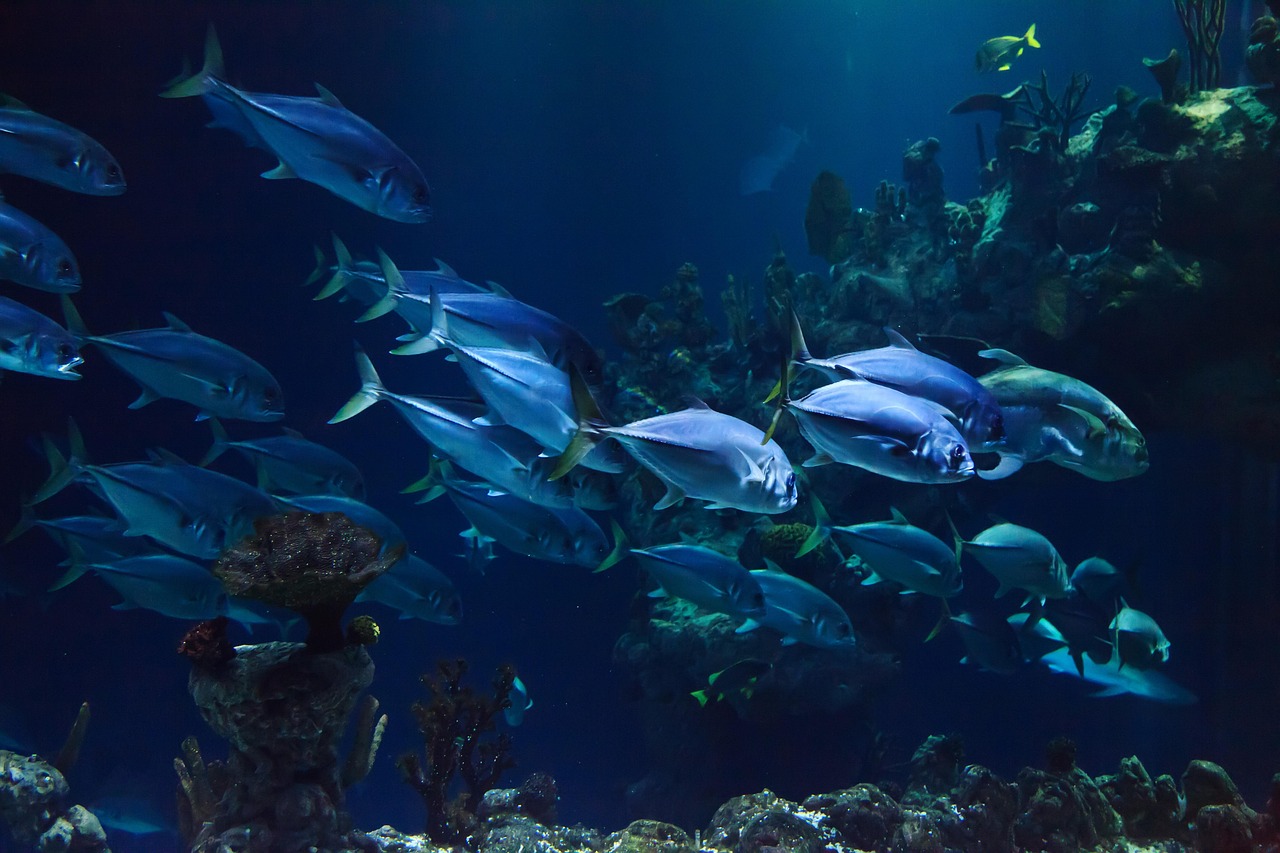
The white spots look identical, the fish scratch in exactly the same way, and yet what kills a clownfish is a different organism entirely from what plagues your tetras. A proper marine ich vs freshwater ich comparison matters because treatments that work in one system are ineffective or fatal in the other. This guide from Gensou Aquascaping at 5 Everton Park separates the two parasites by biology, life cycle and the Singapore-available medications that actually work on each, informed by years of running quarantine systems for both reef and planted clients.
Two Parasites, One Symptom
Freshwater ich is Ichthyophthirius multifiliis, a ciliated protozoan that has been studied since the 1870s. Marine ich is Cryptocaryon irritans, discovered in 1951 and biologically unrelated despite superficial similarities. Both produce visible white cysts on skin, fins and gills, both cause scratching, and both cycle between attached feeding and free-swimming infective stages. That is roughly where the similarities end.
Life Cycle Differences
Freshwater ich completes its cycle in seven to ten days at 28 degrees, with free-swimming theronts surviving only 48 hours without a host. Marine ich takes longer, typically three to four weeks at 26 degrees, and theronts can persist up to 72 hours. Both parasites have off-host encysted stages that are impervious to treatment, meaning medications only kill free-swimming stages; this is why all effective protocols treat for the full cycle rather than until visible spots disappear.
Why Heat Works for One and Not the Other
Freshwater ich is susceptible to sustained temperatures of 30 degrees Celsius, which accelerate the life cycle and trigger parasitic death. Our ich heat treatment guide covers the 10 to 14 day protocol. Marine ich is not meaningfully affected by heat within any range corals can tolerate; temperature-only treatment of Cryptocaryon is a myth that costs reefers entire tanks.
Salt Behaves Oppositely
Salt at 1 to 3 grams per litre is a classic freshwater ich adjunct because the parasite cannot osmoregulate in saline conditions. In marine systems, salinity drops below 1.009 specific gravity (hyposalinity) are lethal to Cryptocaryon, the exact opposite principle. Freshwater salinity up, marine salinity down; this flip is the single most misunderstood point in home aquaria.
Medication Differences
Freshwater ich responds to malachite green, formalin, and combined products like Seachem ParaGuard or ParacIde-X widely stocked at Singapore shops. The malachite green treatment guide covers dosing. Marine ich requires copper at therapeutic levels of 2.0 to 2.5 ppm chelated or 0.18 to 0.24 ppm ionic, or a structured tank transfer method. Copper kills invertebrates, so treatment must happen in a dedicated quarantine tank. Our marine ich treatment guide walks through copper protocols.
Tank Transfer for Marine Ich
The tank transfer method moves fish to a fresh sterile tank every 72 hours over 12 days, breaking the parasitic cycle without chemicals. It is the gentlest effective option for sensitive species like mandarins and leopard wrasses. Freshwater ich in theory could be treated this way but is rarely worth the labour given how well malachite green works. See our dedicated tank transfer method guide.
Fallow Period Differences
A display tank running fallow without fish eliminates freshwater ich in 14 to 21 days. Marine fallow periods must run 45 to 76 days at normal reef temperatures because Cryptocaryon cysts persist longer. The 45-day fallow reef guide covers the conservative Singapore-climate protocol.
Stress and Immunity Considerations
Both parasites exploit immunocompromised fish. Stressors that precede outbreaks include transport, new-tank chemistry instability, aggressive tank mates, sudden temperature swings from HDB aircon cycling, and chronic low-grade water quality issues. Addressing the stressor is as important as the medication; the fish’s own mucous immune response can often clear mild infestations if environmental pressure drops.
Quarantine as the Real Solution
Both diseases enter tanks on new fish. Strict quarantine for four to six weeks catches both, plus velvet, flukes and most bacterial issues. Singapore-based reefers especially benefit because shop stocks pass through multiple stressed transitions before reaching HDB tanks. Our marine fish quarantine guide and freshwater quarantine protocol cover both sides.
Reef vs Planted Tank Complications
Reef keepers cannot treat in-tank because copper and hyposalinity kill corals, shrimp and snails. Planted freshwater keepers similarly cannot use standard dosing because malachite green stains wood and some plants, and copper kills Caridina shrimp at parts-per-billion. Both scenarios require a separate hospital or quarantine tank; running one permanently is not optional for serious keepers.
Which Is Harder to Eradicate
Marine ich is substantially tougher. Longer life cycle, more resistant cysts, narrower medication margins, and invertebrate-sensitive treatments combine to make Cryptocaryon a genuine threat. Experienced reefers in Singapore assume any new fish carries it and quarantine accordingly. Freshwater ich, by contrast, is routine for a prepared keeper and rarely claims fish in well-run tanks.
Related Reading



