
Sodium Thiosulfate DIY Dechlor Guide: Cost-Effective
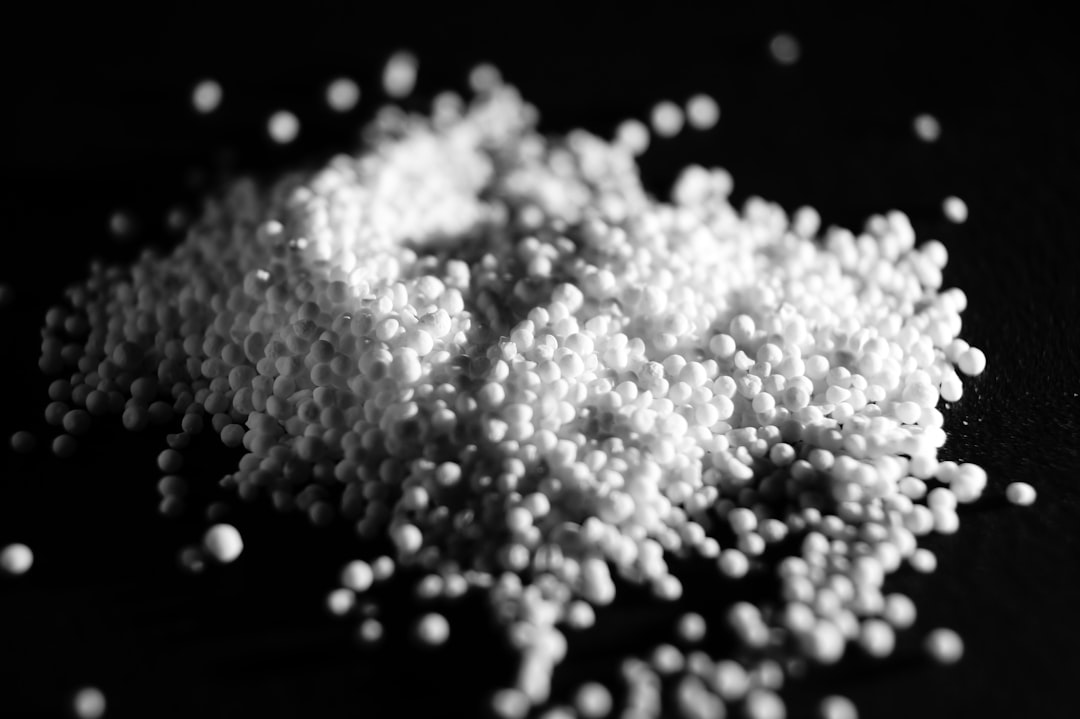
Walk through any serious Singapore fishroom and you will eventually spot a re-labelled shampoo bottle on a shelf, dosed by the millilitre before large water changes. Odds are it holds a homemade sodium thiosulfate DIY dechlor stock, the quiet workhorse that replaces branded conditioners once your water volume crosses a couple of hundred litres a week. This guide from Gensou Aquascaping at 5 Everton Park walks through the chemistry, the dosing maths for PUB tap water, and the sensible limits before you are better off returning to Seachem Prime.
What Sodium Thiosulfate Actually Does
Sodium thiosulfate pentahydrate (Na2S2O3 5H2O) reduces free chlorine to chloride and sulfate, ending the oxidative threat within seconds of contact. It is the same chemistry used in municipal dechlorination and photographic fixer baths, so the reagent is cheap, shelf-stable in dry form and effortlessly scalable. What it does not do is bind ammonia, which is the reason Singapore reefers keeping PUB-fed systems need to understand chloramine before switching over.
Why PUB Water Complicates the Picture
PUB dosing records show combined residual chlorine typically between 1.8 and 2.4 ppm, with a meaningful chloramine fraction. Thiosulfate breaks the chlorine-ammonia bond in chloramine, which liberates free ammonia your biofilter then has to handle. On an established tank this is normally a non-event; on a new tank or after a heavy water change it can nudge you into a nitrite spike. Read our chlorine vs chloramine aquarium guide before committing to a thiosulfate-only protocol.
The Dosing Ratio That Matters
The stoichiometric ratio is roughly 2.8 mg of sodium thiosulfate per 1 mg of free chlorine, but in practice hobbyists use a safety factor of three or four. A workable rule is 1 gram per 50 litres of PUB tap water, which gives comfortable headroom against 3 ppm combined chlorine. Overdosing within a factor of ten is harmless to fish and shrimp; the excess simply oxidises out over 24 hours, though it does transiently drop redox, which SPS keepers running ozone should note.
Making a Usable Stock Solution
Dry crystals are awkward to dose quickly, so most SG hobbyists mix a liquid stock. Dissolve 100 grams of pentahydrate in 1 litre of RO or distilled water to make a 10 percent solution; each millilitre then treats 5 litres of tap at standard PUB chlorine levels. Store the bottle out of direct sunlight in an air-conditioned room. Expect six months of shelf life before the solution starts to cloud; mark the date with a permanent marker.
Where to Buy in Singapore
Sim Chemical along Desker Road and a handful of eBay-listed local sellers carry food-grade or reagent-grade thiosulfate at roughly $8 to $14 per kilogram, which works out to cents per hundred litres of treated water. Avoid pool-shop “anti-chlor” tablets unless the label lists pure sodium thiosulfate; some blends include clarifiers and pH buffers that have no place in a fish tank. Shopee listings vary wildly in purity, so ask for a certificate of analysis on anything over 500 grams.
When Seachem Prime Still Wins
Prime and similar conditioners detoxify ammonia and nitrite alongside chlorine, which thiosulfate cannot do. For new tanks, quarantine systems, disease treatment and shrimp-only aquaria, stick with a full conditioner. Our Seachem Prime guide covers its role in cycling tanks. Thiosulfate becomes sensible once you are doing 100-litre-plus weekly changes on mature systems where ammonia is already zero.
Integrating With an Automatic Water Changer
Running a continuous drip or a DIY auto water change system rules out dosing per bucket. The cleanest approach is a Kamoer or Jebao dosing pump pulling thiosulfate stock into the new-water line at the same rate as the inflow, calibrated to deliver about 0.2 ml per litre. A second option is a large mixing barrel pre-dosed and aerated for an hour before the change valve opens. Never dose straight into the display; the localised redox drop can stress sensitive fish sat near the dosing point.
Safety and Storage Notes
Thiosulfate itself is low toxicity, but avoid mixing dry crystals with strong acids; trace sulfur dioxide release is unpleasant in an enclosed HDB kitchen. Keep the bag sealed and dry, because Singapore humidity turns loose pentahydrate into a gluey mass within weeks. Label the stock bottle clearly; a clear fluid in an unlabelled shampoo bottle is a predictable route to household misadventure.
Cost Comparison Against Branded Dechlors
At $10 per kilogram, home-mixed stock treats about 50,000 litres of tap water for the cost of one 500 ml bottle of Prime. For a hobbyist running two 400-litre tanks with 20 percent weekly changes, the annual saving is real but modest, perhaps $80 to $120. The stronger case for DIY is supply resilience; when shipping delays empty local shelves of branded conditioners, a kilogram of dry powder carries you through.
Combining With Aeration
A brief five to ten minutes of vigorous aeration after dosing thiosulfate clears any transient oxygen debt and helps residual chloramine breakdown products outgas. An airstone in the mixing drum is enough; overkill equipment is unnecessary. For a refresher on gas exchange basics, the aquarium oxygenation guide covers practical oxygen management in tropical SG conditions.
Verdict for Singapore Fishrooms
Sodium thiosulfate DIY dechlor is a professional-grade tool once you are moving serious volumes of PUB water and your biofilter is mature. Keep Prime for quarantine and small tanks, switch to thiosulfate for your bulk changes, and always pair it with a known-good ammonia test kit during the transition. Treated this way, the chemistry is boring, which is exactly what a fishroom reagent should be.
Related Reading



