
Panda Cory True vs Similar Species Guide: Identification
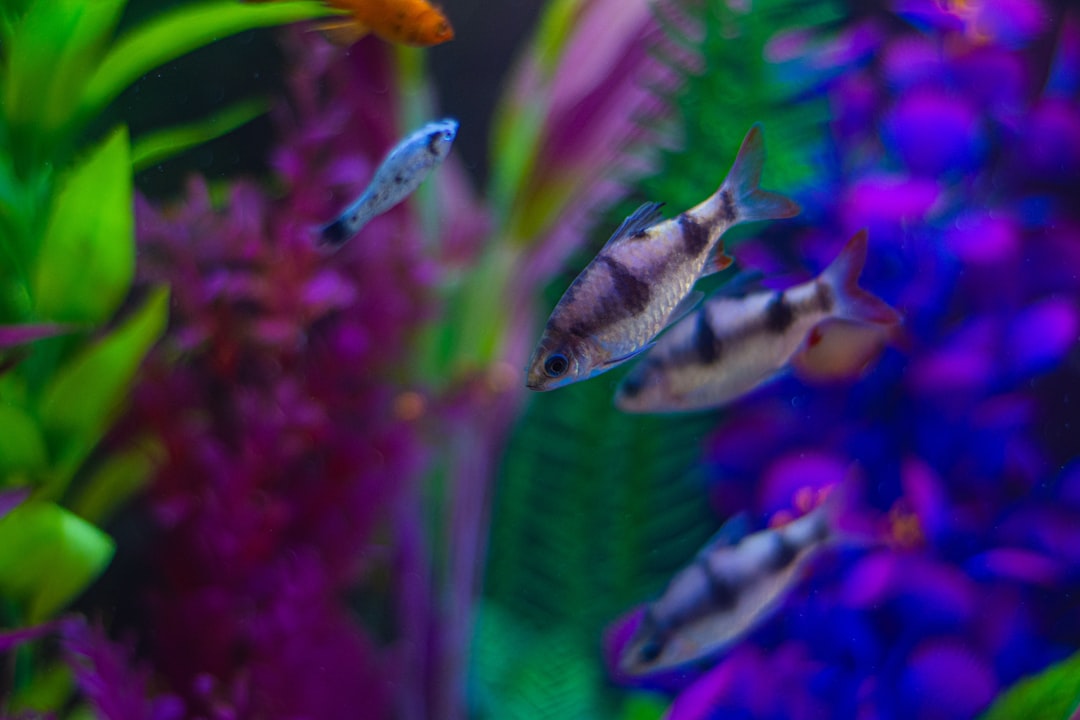
Half the “panda corys” sold in Singapore community tanks are not Corydoras panda at all, and the fish most often mislabelled behaves quite differently once you get it home. Sorting out panda cory true vs similar species matters because the lookalikes include both hardier species and fragile ones that die within weeks in tropical tap water. This guide from Gensou Aquascaping at 5 Everton Park works through the visual markers, behaviour cues and husbandry differences that separate true C. panda from its common market substitutes.
The True Corydoras Panda
True Corydoras panda was described in 1971 from the Ucayali basin in Peru, where it inhabits cool, fast-flowing streams at 18 to 22 degrees. Adults reach 5 cm and carry three distinct black markings: a mask over the eyes, a saddle-shaped blotch on the dorsal fin base, and a black spot at the caudal peduncle. The body is pale cream-white with no other pigment. The distinctive eye mask is the classic visual ID. Our panda corydoras care guide covers the species husbandry in more depth.
Why Temperature Matters for ID
True C. panda prefers 20 to 24 degrees, far below Singapore ambient. Shops that keep “panda corys” at 28 degrees and claim they thrive are almost certainly selling a lookalike species that tolerates warmer water. Always ask the shop what temperature the tank is running and watch the fish for signs of heat stress (rapid gill movement, glass-surfing at the surface) before buying. A cool-water species in warm water will not last past six months.
Lookalike One: Corydoras Panda Long-Fin
The long-fin panda is genuinely C. panda selectively bred for elongated dorsal and pectoral fins. It is an ornamental variant, not a separate species. Water chemistry and temperature requirements match wild-type pandas exactly, which means the long-fin versions suffer the same heat intolerance in Singapore. The long fins make the fish prettier but also more vulnerable to fin rot in less-than-pristine water.
Lookalike Two: Corydoras CW010 “Gold Laser”
CW010 and similar gold-laser variants have become increasingly common in Singapore specialist shops. They carry an eye mask similar to C. panda but also display a lateral gold stripe running from the operculum to the caudal peduncle. Body shape is slimmer than true pandas. Water tolerance is broader and warmer, making them more suitable for HDB tanks, but they command specialist prices of $15 to $25 per fish.
Lookalike Three: Corydoras Similis
Often confused with pandas because of the caudal spot, Corydoras similis actually shows a green-grey body with a large dark blotch at the caudal peduncle and no proper eye mask. Adults reach slightly larger at 5.5 to 6 cm. Similis tolerates warmer water (25 to 28 degrees) and suits Singapore tanks better than true pandas. Shops sometimes label similis as “panda-like corys” and the confusion is unfortunate because they are genuinely different fish.
Lookalike Four: Juvenile Sterbai
Very young Corydoras sterbai carry a darker head mask and pale body that can superficially resemble juvenile pandas. As sterbai mature, the characteristic white spots on a dark ground become obvious. If the “panda” you are being sold is under 2 cm and the body colour looks slightly darker than true cream, wait two weeks before buying; the spots should start emerging. Our sterbai breeding guide covers the species.
Singapore Market Reality
C328 Clementi, Y618 and Thomson Road shops rotate genuine C. panda imports alongside substitutes depending on supply. Prices vary: true pandas run $6 to $10 per fish, sterbai $8 to $12, similis $4 to $6, and CW010 variants $15 to $25. If a shop sells “panda corys” for $2 to $3, they are almost certainly a different species. Premium pricing is a rough indicator of accurate labelling.
Verifying Species Before Purchase
Request to view the fish at eye level in a clear container. Check for the three-mark pattern (eye, dorsal, caudal), the cream-white body base and the compact body shape. Cross-reference against a reference image on your phone; Planet Catfish is the authoritative online source for Corydoras ID. Any divergence from the expected pattern means the fish is something else.
Tank Setup Differences by Species
True pandas need chilled tanks at 22 to 24 degrees with high oxygenation and smooth sand substrate. Similis and sterbai tolerate 26 to 28 degrees comfortably. CW010 sits in between. A tank running at ambient Singapore temperature is unsuitable for true pandas without a chiller; the best aquarium sand for corydoras guide covers substrate selection that suits all four species.
Behavioural Tells
True pandas are quieter, stay in loose groups of six or more, and spend most of the day in shaded areas of the tank. Similis is bolder and roams more widely. Sterbai is the most active of the four, sparring gently at food time and patrolling the substrate. Observation over ten minutes at the shop often reveals species identity more reliably than the label.
Why Accurate ID Matters for Lifespan
A correctly identified fish in correct conditions lives 8 to 10 years. A misidentified panda kept warm lives 6 to 12 months on average. The price premium for a true panda is trivial compared to the difference in longevity, provided you can meet the cooler water requirement. If you cannot run a chiller, choose sterbai or similis and enjoy them for a decade rather than forcing true pandas into an unsuitable system.
Related Reading



