
Inch per Gallon Rule Explained Guide: Myth vs Reality
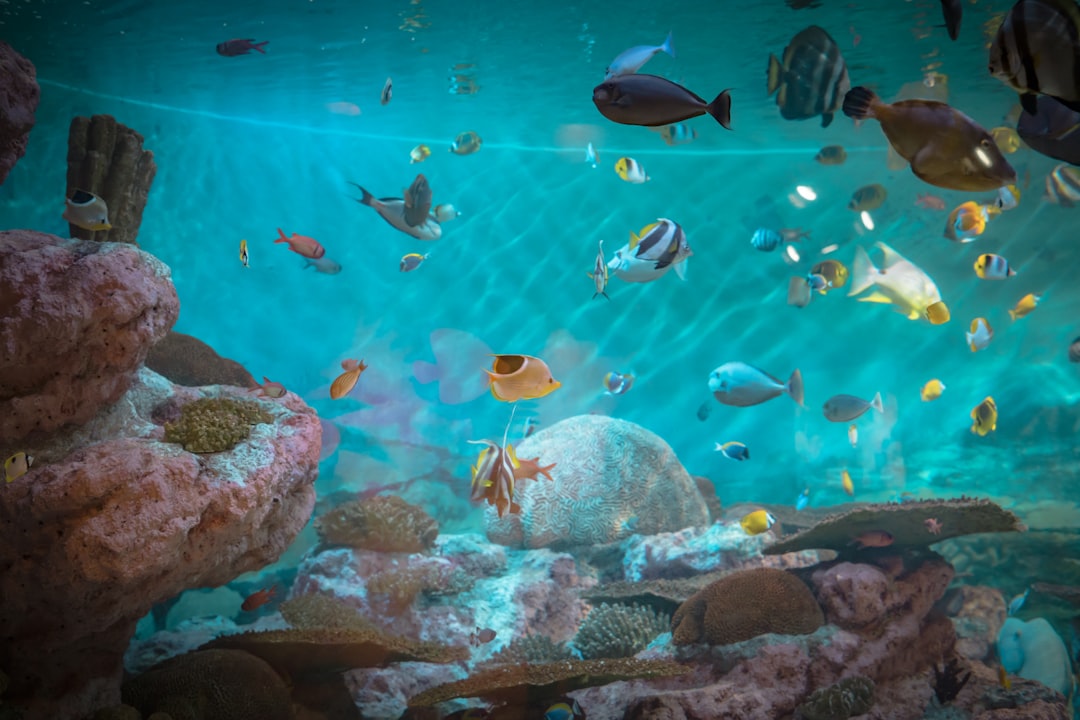
Every new aquarist meets the “one inch of fish per gallon” rule within their first shop visit, and most of them later learn — often through a dead tank — that the rule is wrong more often than it is right. This inch per gallon rule explained guide from Gensou Aquascaping at 5 Everton Park unpacks where the formula came from, why it fails modern community stocking, and what to use in its place. Imperial fish-per-volume shortcuts never translated cleanly to SGD-priced litres and tropical Singapore tanks anyway.
Where the Rule Came From
The inch-per-gallon guideline emerged in mid-20th-century American fishkeeping magazines, when a typical beginner tank meant a 10-gallon (38 L) with guppies, neons and a few corydoras. For slender, small, peaceful community fish averaging under 5 cm, the maths approximated safe stocking reasonably well. It was never written as a scientific formula — it was shorthand for “do not overcrowd your starter tank.”
Why It Fails at Scale
Biomass scales with the cube of length, not linearly. A 10 cm goldfish is not twice the bioload of a 5 cm tetra — it is closer to eight times, because body mass, waste output and oxygen demand track volume, not length. The rule works passably for fish under 5 cm of similar body type. Apply it to a 30 cm oscar and you conclude a 30-gallon (114 L) tank is adequate — a recipe for chronic ammonia stress and early fish death.
Body Shape Changes Everything
A 10 cm pencilfish and a 10 cm stingray share a length and nothing else. Flat-bodied, heavy-bodied and deep-bodied fish produce dramatically more waste per centimetre than slender schooling species. Cichlids, goldfish, puffers and plecos all violate the inch-per-gallon assumption by a factor of two to four. Rule-of-thumb stocking never accounts for morphology.
Filtration and Planting Shift the Goalposts
A heavily planted tank with a canister filter rated 6x turnover handles roughly double the bioload of a bare-bottom tank with a hang-on-back. Live plants absorb ammonia directly; mature biofilter handles nitrification reliably. The inch-per-gallon rule pretends all 10-gallon tanks are equivalent. Real tanks differ by an order of magnitude in their waste-processing capacity. A 60 L planted, cycled, canister-filtered tank holds more fish safely than a 120 L bare-glass setup with a sponge filter.
Tropical SG Temperatures Reduce Margins
Warm water holds less dissolved oxygen. At 28-30°C — standard SG ambient — oxygen saturation drops roughly 15 per cent below the 22-24°C assumed in older American stocking guides. Higher temperature also accelerates metabolism, increasing waste output and oxygen demand simultaneously. Whatever the inch-per-gallon rule suggests, SG hobbyists should stock 20-30 per cent lighter to compensate.
Surface Area Beats Volume
Gas exchange happens at the water surface. A tall, narrow tank with the same volume as a wide, shallow tank supports dramatically fewer fish. A 60 L cube (40 cm x 40 cm x 40 cm) has a 1600 cm squared surface; a 60 L long (90 cm x 30 cm x 25 cm) has 2700 cm squared — 70 per cent more. Stocking should track surface area plus filtration, not a linear length formula against total volume.
Better Modern Rules
For community fish under 8 cm adult length: 2 L per cm of fish. For semi-aggressive or heavy-bodied fish: 3-4 L per cm. For goldfish: 40 L for the first fish, 20 L per additional. For territorial cichlids: footprint and aggression drive the decision, not litres. These rules still simplify — real stocking considers filtration, planting, water change frequency, species temperament and tank shape — but they fail less dramatically than inch-per-gallon.
When the Old Rule Actually Works
Narrow application survives: slender, peaceful schooling fish (tetras, rasboras, danios) under 5 cm, in a well-filtered, cycled community tank with live plants, at 25-27°C. In that specific slice, one inch per gallon approximates 1.5 L per cm — close to the refined 2 L per cm rule. Outside that slice, abandon it entirely.
Stocking Tools That Help
AqAdvisor remains the most-used free calculator — imperfect, but it considers species aggression, adult size and filtration. Paid apps like FishLore offer cleaner interfaces. Best single check: post your proposed stocking on a reputable forum or message Gensou on Instagram with species list and tank dimensions. A five-minute human review catches bad combinations that calculators miss — betta with guppies, angels with neons at maturity, clown loaches in anything under 400 L.
Practical Singapore Stocking Examples
A 60 L tank (roughly 16 US gallons) by old rule = 16 inches of fish. Reality: 8-10 neon tetras plus 4 corydoras plus one honey gourami sits comfortably with weekly water changes and decent filtration. A 120 L planted community holds 15-20 small tetras, 6 corydoras, a pair of honey gouramis and a small clean-up crew of shrimp — nowhere near the 120 inches the old rule suggests for an 80 cm fish load that would suffocate the tank in weeks. This inch per gallon rule explained guide closes with the obvious conclusion: treat the old rule as folklore, and use morphology, filtration and surface area to plan instead.
Related Reading
- Aquarium Stocking Calculator Guide
- How to Choose Fish Tank Size Guide
- Aquarium Oxygen Saturation Tropical
- Planted Tank Bioload Guide
- Aquarium Surface Area Gas Exchange



