
How to Cycle Reef Tank Complete Guide: Ammonia to First Fish
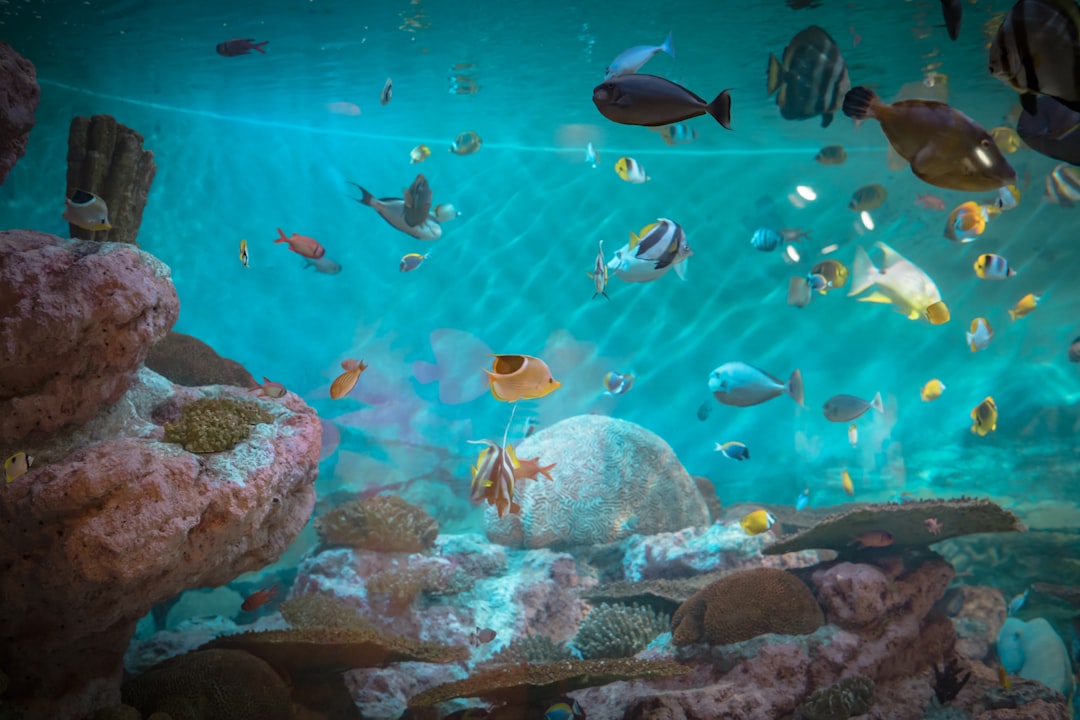
A reef cycle is not just the nitrogen cycle — it is the full biological establishment of bacteria, micro-fauna and rock biofilms that underpin long-term stability. Rush it and the first three months become an ugly war with diatoms, dinos and cyano. Do it properly and the tank sails through the uglies phase in weeks. This how to cycle reef tank complete guide from Gensou Aquascaping at 5 Everton Park covers ammonia dosing, rock seeding choices, the realistic SG timeline, and the order in which to add first livestock. Patience is the whole game; chasing shortcuts costs more than it saves. This guide sits inside our broader Saltwater Reef Tank Master Guide reference.
What Cycling Actually Does
Cycling establishes two bacterial populations: ammonia-oxidising bacteria converting NH3 to nitrite, and nitrite-oxidising bacteria converting nitrite to nitrate. On a reef, a third slower population (anaerobic denitrifying bacteria in deeper rock and sand) gradually brings nitrate down. The whole colony takes 4-8 weeks to stabilise depending on seeding method. Adding livestock before the colony matches the bioload guarantees an ammonia spike and coral burn.
Dry Rock vs Live Rock Starting Point
Dry rock (MarcoRock, Pukani — SGD 8-14 per kg) is sterile porous aragonite that requires full cycling from zero. Cheap, clean, no hitchhikers, but 6-10 weeks to useful biology. Live rock from C328 Clementi or Reef Depot (SGD 18-25 per kg) comes pre-colonised with bacteria, pods, worms and sometimes coralline — cycles in 2-4 weeks but carries hitchhiker risk (aiptasia, flatworms, mantis shrimp). Most SG beginners blend 70% dry with 30% live to hedge both risks.
Ammonia Dosing Method
The standard dry-rock cycle uses pure ammonium chloride solution (Dr Tim’s Ammonium Chloride SGD 35, or cheap lab-grade NH4Cl on Shopee SGD 8). Dose to reach 2 ppm ammonia on an API saltwater test kit. Wait 24-48 hours, test. When ammonia drops to 0 and nitrite spikes, the first population has established. When both ammonia and nitrite read 0 within 24 hours of re-dosing 2 ppm ammonia, the cycle is complete — usually week 4-6.
Seeding Bottled Bacteria
Dr Tim’s One and Only, Fritz Turbo Start 900 and Brightwell MicroBacter7 (SGD 35-55) shortcut the cycle to 2-3 weeks on dry rock by introducing the bacterial strains directly. Dose per label instructions with ammonia present. Fresh bottles matter — expired bacteria products are useless. Store refrigerated if shipping time exceeded a week in SG’s heat. Seeded cycles save 4 weeks for patient beginners and are worth the SGD 35 for the reduced wait.
Temperature and Salinity During Cycle
Run the cycle at final display parameters — 25°C, salinity 1.025, pH allowed to drift. Cycling bacteria grow slowest in cold water and fastest at 26-28°C, but acclimating them to the actual running temperature from day one avoids a second bacterial lag when you add livestock. Lights off or minimal to prevent algae domination during the bacterial build-up phase; the nutrient-rich water will feed algae if you light it fully from day one.
The Diatom Phase — Weeks 4-6
As silicates leach from dry rock and new sand, diatoms bloom across glass and substrate in brown films. This is normal and signals the cycle progressing. Do not panic-dose phosphate removers during diatom phase — they starve and die off naturally in 2-3 weeks as silicates deplete. Running RO/DI water with 0 ppm TDS shortens the diatom phase by weeks; tap water cycles can drag diatoms for months.
The Uglies — Weeks 6-12
Cyanobacteria, dinoflagellates, green hair algae and weird films compete for the newly stable nutrient pool during the uglies phase. Resist over-scraping and water changing aggressively — you only slow the maturation. Leave lights on a reduced 6-hour photoperiod, run the skimmer, do modest 10% weekly water changes, and let the system stabilise. Tanks that survive the uglies with patience emerge into long-term health.
First CUC Addition — Week 4-6
Clean-up crew goes in once ammonia and nitrite hold zero on successive tests. Start with 5-10 blue-leg hermits and 3-5 trochus snails for a 100 litre reef (SGD 2-4 per invertebrate at C328). Avoid turbo snails initially — they demand a mature biofilm for grazing. Observe for a week: hermits active, snails moving, all alive? Proceed to first fish. Dead hermits on day one mean ammonia traces remain and cycling is incomplete.
First Fish Timing and Selection
Wait until CUC has thrived for 2 weeks before adding the first fish. Ocellaris clownfish or a small tailspot blenny are the forgiving picks for 100-200 litre reefs. Drip-acclimate over 90 minutes, observe ammonia on API kit 24 hours and 48 hours after introduction — even a fully cycled tank shows a mild bump with new bioload. If ammonia stays zero, add the next fish 2-3 weeks later. Rushing stocking is the number-one reef failure we correct on new SG tanks.
First Coral Timing — Month 3 Minimum
Parameters matter more than calendar for first coral but typical SG reefs are not stable enough for coral until month 3-4. Look for alkalinity holding 8-9 dKH without daily dosing, phosphate below 0.1 ppm, nitrate 5-15 ppm, and no visible nuisance algae bloom in progress. Start with zoas, mushrooms or GSP — bulletproof softies that tolerate the minor parameter wobbles of a young reef. Save acros for month 9+ when the system truly settles.
Related Reading



