
First Coral Beginner Complete Guide: Picking Your Starter
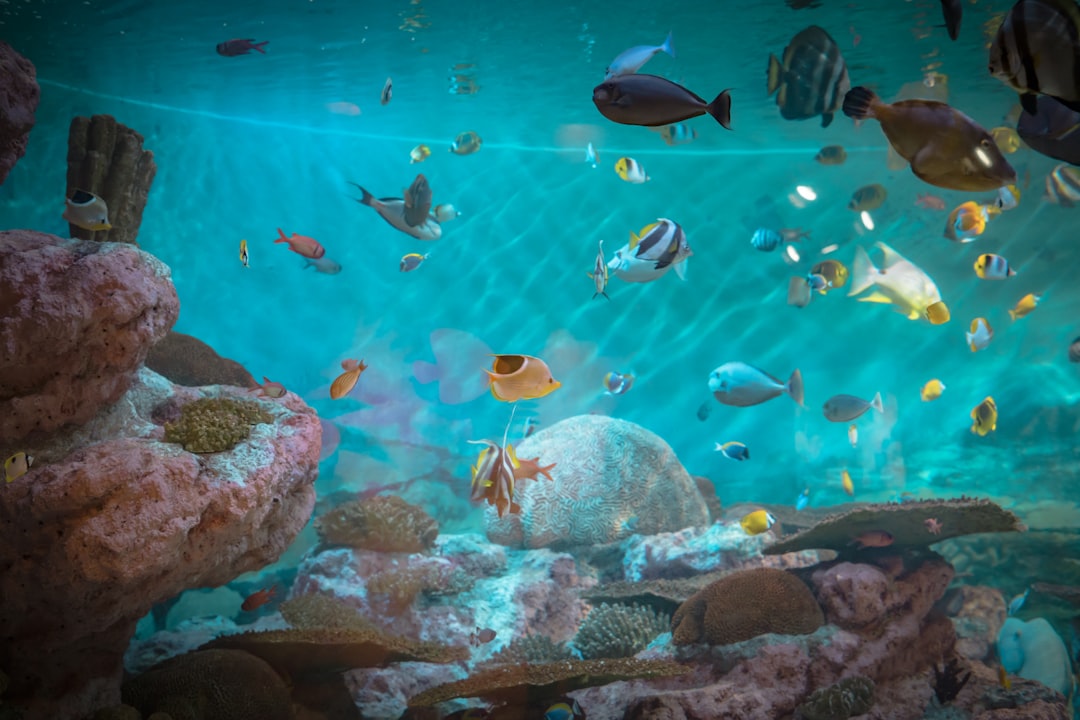
The first coral is a milestone moment in a new reef — it signals the tank has crossed out of the uglies and can actually support life beyond fish. This first coral beginner complete guide walks through when the tank is truly ready, what to pick, how to pick an individual frag at a shop, and what to do with it once home. Gensou Aquascaping at 5 Everton Park watches beginners make the same five mistakes on their first coral run, and almost all of them trace back to buying too early or too rare. This guide sits inside our broader Saltwater Reef Tank Master Guide reference.
When the Tank Is Coral-Ready
Three visual markers plus three chemistry markers tell you the system can host a coral. Visually: diatom bloom has receded, coralline spots are visible on glass and rock, and algae film is under CUC control. Chemistry: alkalinity stable at 8-9 dKH, calcium at 400-450 ppm, magnesium at 1250-1350 ppm, across three consecutive weekly tests. Typically week 8-12 in a well-run Singapore reef. Skipping this checklist is the root cause of most first-coral failures.
The Starter Shortlist
Five corals consistently thrive as firsts in a new reef:
- Zoanthid frag — bright colour, medium light, SGD 20-40 for a 3-5 polyp frag.
- Green star polyps — bulletproof, fast growth, SGD 15-25 per plug.
- Discosoma mushroom — shade-tolerant, SGD 15-25.
- Xenia — pulsing movement, spreads easily, SGD 20-35.
- Kenya tree leather — undemanding, SGD 25-40.
All five come from the soft-coral group and tolerate parameter swings that would kill LPS or SPS.
Corals to Avoid as First
SPS of any kind — acropora, montipora, birdsnest — demand stable chemistry most new tanks cannot deliver. Elegance coral, sun coral and Goniopora have high failure rates even for experienced reefers. Torches and hammers look tempting but need mature stable systems and targeted feeding. Bubble coral and plate coral fall similarly into ‘year two’ territory. Save these for when you have confidence in your parameter control.
Picking the Frag at the LFS
At the shop, look for full polyp extension, vivid colouration with no pale patches, no visible brown jelly or tissue recession, and a clean plug or base without algae overgrowth. Ask how long the shop has held the frag — newly imported corals are stressed and fare worse than shop-acclimated ones. Reef Depot and C328 typically hold frags in display tanks for 1-2 weeks before sale, which is a genuine advantage over freshly-arrived stock.
Frag Pricing Reality in SG
Soft coral starter frags fall in the SGD 15-50 range at most local reef shops. Designer zoas, high-grade Ricordea and trendy morphs easily push SGD 80-300 per polyp. For a first coral, spending SGD 25 on a hardy common morph beats SGD 150 on a rare grade that dies from your learning curve. Local Carousell frag exchanges among SG reefers often have common varieties at SGD 10-20, making the first coral genuinely affordable.
Dipping Before Placement
Never skip the dip. Every frag, even from the most reputable shop, can carry flatworms, nudibranchs, aiptasia larvae or red bugs. ReVive Coral Cleaner at SGD 65 a bottle from Reef Depot lasts through dozens of dips. Mix per instructions, submerge the frag for 10-15 minutes with gentle agitation, rinse in clean tank water, and transfer to the display. Bayer Advanced Insect Killer is an alternative some reefers use for tougher pest loads.
Placement and Acclimation
New corals need both temperature and light acclimation. Float the frag bag for 20-30 minutes to equalise temperature, then drip for 30-45 minutes. Place the coral in a shaded area of the tank first — lower rock, cave edge, sand — and move it progressively brighter over 2-3 weeks if the species wants more light. Zoas and mushrooms often colour up better under moderate rather than maximum PAR.
First Week Observations
Watch for full polyp extension within 24-48 hours, tissue recession or browning as warning signs, and any slime or jelly indicating infection or pest activity. A healthy first coral settles in within a week, eating tissue particulates from the water column and photosynthesising steadily. If the coral stays retracted after three days, reassess flow and light rather than panicking — the most common cause is placement, not sickness.
Target Feeding Schedule
Soft corals feed themselves primarily through photosynthesis but benefit from supplemental food. Reef Roids at SGD 45 a jar from Reef Depot targets polyps directly — dose 1 gram per 200 litres twice weekly. Some reefers add a pinch of oyster feast or coral frenzy on alternate days. Do not overfeed; excess drives nitrate up and diminishes rather than enhances coral colour.
From First to Garden
Once the first coral holds for 2-3 weeks with full polyp extension and no recession, add a second frag from a different species. Wait another fortnight and add a third. Pacing additions prevents allelopathic shock — soft corals release chemicals that suppress neighbours, and overwhelming the system with ten frags in a week often results in half of them retreating. A steady cadence of one frag per week builds a stable reef garden without the drama.
Related Reading



