
Saltwater Aquarium Plants Guide: Macroalgae Species
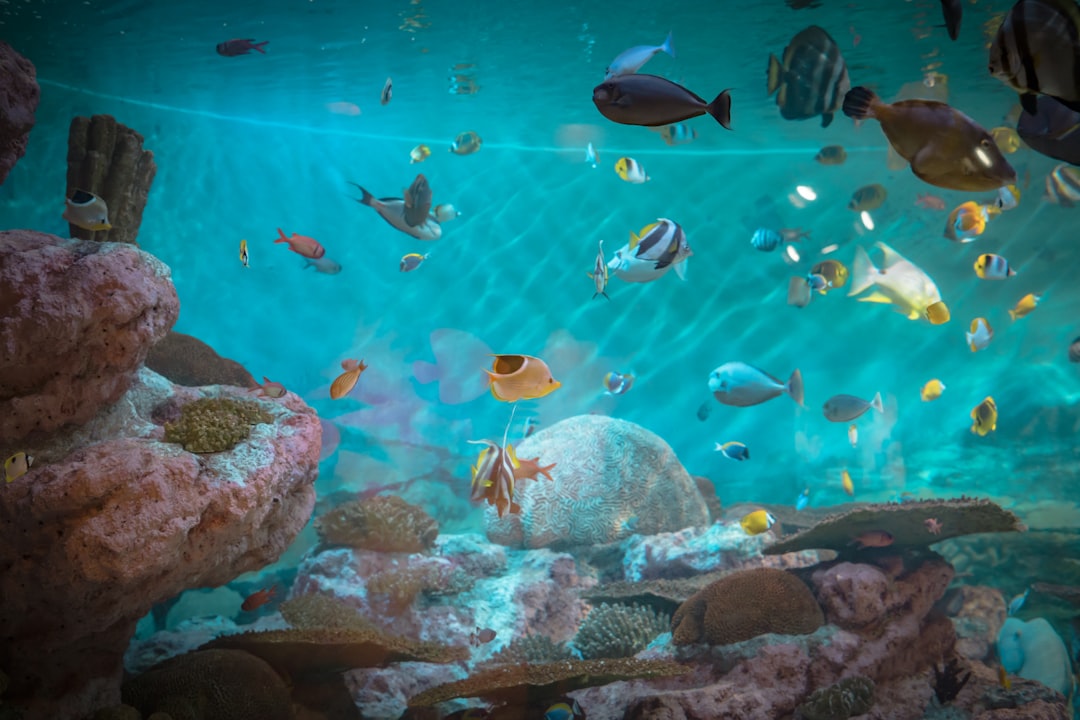
True saltwater plants are rare — most are macroalgae, biologically distinct but aquascaped and farmed the same way. This saltwater aquarium plants guide from Gensou Aquascaping at 5 Everton Park covers the species, the refugium setup and the SG sourcing that let reefers export nitrate and phosphate naturally. Two decades of mounting chaeto, caulerpa and halimeda into local builds show that a healthy refugium is the closest thing a reef has to a planted tank.
Macroalgae vs True Plants
Actual marine flowering plants — turtlegrass, eelgrass, seagrass — need deep sandbeds, specialised lighting and a biotope tank to thrive. Virtually no SG home reefer keeps them. Macroalgae, the common “saltwater plants,” are large photosynthetic algae that function like plants in the tank: they consume nitrate and phosphate, oxygenate water and provide habitat for copepods. Think of them as the reef equivalent of hornwort.
Chaetomorpha — The Workhorse
Chaetomorpha linum, or chaeto, is the single most popular macroalgae in reef refugiums. It grows as a tangled mass of stiff green filaments, does not go sexual (so never crashes), and absorbs nutrients aggressively. Local SG reefers swap surplus chaeto on Carousell for SGD 10-15 a fist-sized clump — finding a starter is rarely harder than posting a wanted ad. A 15-20 cm ball in a small refugium pulls roughly 1-2 ppm nitrate weekly.
Caulerpa Species — Handle with Care
Caulerpa prolifera, racemosa and taxifolia are fast-growing feather-like macroalgae with striking aesthetics. The catch: they can go sexual without warning, releasing gametes that cloud the water and crash nutrients overnight. Prune monthly before the algae hits 15 cm strand length, keep at least 14 hours of refugium light uninterrupted, and watch for sudden whitening. Local shops stock them infrequently at SGD 15-25 per portion.
Halimeda — Calcified Elegance
Halimeda discoidea and opuntia grow as linked calcified discs and add a genuine reef aesthetic to display tanks. Unlike other macros, halimeda grows slowly and integrates calcium and alkalinity into its skeleton — watch both parameters drop faster with a halimeda colony. Display-grade halimeda runs SGD 25-40 per stalk at Iwarna or Pinnacle. Needs 150-200 PAR minimum and tank calcium above 420.
Gracilaria — Tang Heaven
Gracilaria hayi (red) and parvispora are tender red macroalgae prized as tang food. Keep a clump tumbling in a refugium and harvest weekly for the display — a yellow or purple tang devours 5-10 g a day. A starter portion runs SGD 15-25 from specialty SG reefers, often not stocked in standard shops. Needs moderate flow, medium light and nitrate above 3 ppm to thrive.
Ulva — Sea Lettuce
Ulva lactuca grows as bright green leafy sheets. It is one of the fastest nutrient exporters and a popular tang and angelfish vegetable. Harvest 50 per cent weekly. Ulva hitchhikes on live rock and cultures itself if any piece is already in the system. Swap cuttings with local reefers for free or SGD 5-10 a handful on Carousell.
Refugium Setup Basics
A refugium is a separate sump chamber dedicated to macroalgae. Minimum volume 10 per cent of the display. Light with a cheap Kessil H80 or Nanobox Refugium (SGD 160-320) running a reverse cycle — on when the display is off — which stabilises pH at night by 0.1-0.2. Flow moderate; chaeto needs tumble, not gentle sweep. Add a handful of sand or rubble rock to seed copepods.
Display-Tank Macroalgae Aquascaping
Some macros belong in the display, not hidden in the sump. Shaving-brush algae (Penicillus), mermaid’s fan (Udotea), halimeda and fluffy red gracilaria all suit aesthetic seagrass-style tanks. Pair with conservative fish choices — tangs and angels eat decorative macros fast. Aquascape in groups of three to five plants per stand to mimic natural reef patch dynamics.
Problems and Solutions
Chaeto yellowing signals iron or trace element deficiency — dose Brightwell Ferrion at 1 mL per 100 L weekly. Bubble algae (Valonia) hitchhikes into every SG reef on live rock; remove by hand, puncture under water, and emerald crabs (Mithraculus sculptus) at SGD 25-35 each clean up fragments. Caulerpa going sexual cycles through roughly monthly on full light; reverse-cycle lighting and regular harvesting prevents it.
Harvest and Export Rhythm
Macroalgae only exports nutrients when you physically remove biomass. Harvest 30-50 per cent of the mass every one to two weeks. A handful of chaeto removed weekly exports roughly 2 g nitrogen — equivalent to a 15 per cent water change on a nano. Compost the harvested mass or gift to local reefer groups. A consistent saltwater aquarium plants guide routine turns the refugium into a silent nutrient filter that saves GFO, skimmer cups and water changes alike.
Related Reading



