
Jungle Aquascape Complete Guide: Overgrown Wild Look
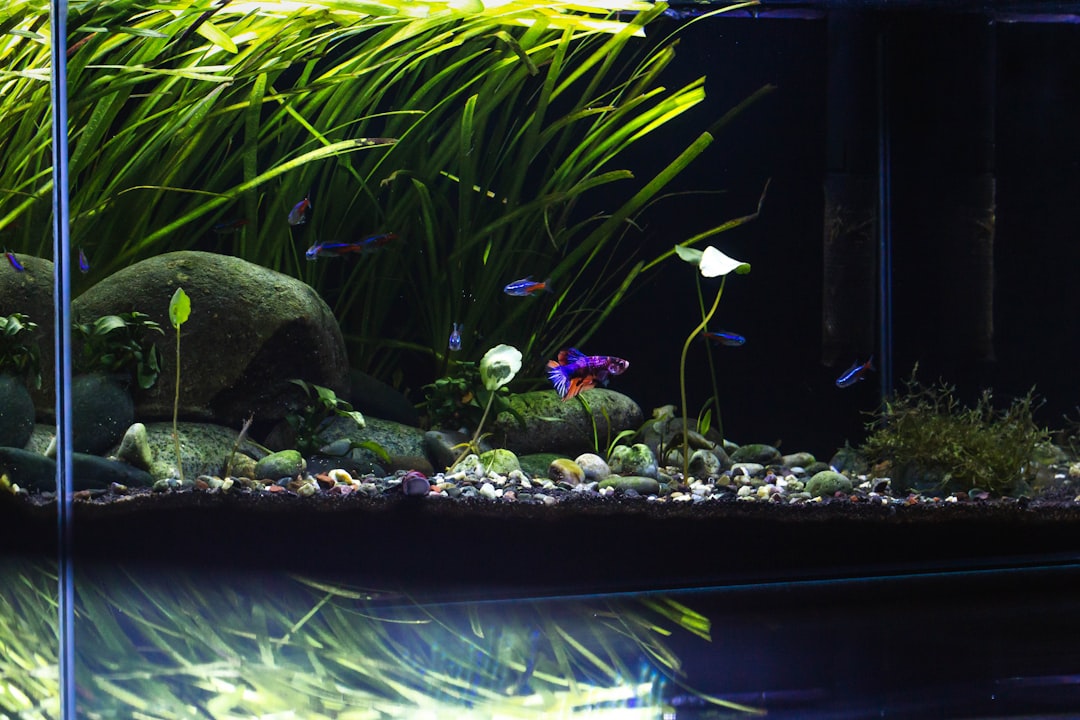
Jungle scapes celebrate what every other aquascape style forbids — messy, overgrown, untamed vegetation that slowly swallows hardscape and climbs to the surface. Originally a reaction to the clinical precision of Dutch and iwagumi scapes, the jungle style found its voice in the 2000s as aquarists sought looks closer to actual tropical waterways. This jungle aquascape complete guide from Gensou Aquascaping at 5 Everton Park explains what makes a jungle scape read as “controlled wildness” rather than just a neglected tank, and the species that thrive under Singapore’s soft PUB tap water with minimal fussing. This guide sits inside our broader Planted Tank Complete Hub reference.
The Jungle Style Ethos
Jungle scapes depict the kind of still-water corner of an Amazon tributary or a Borneo peat-swamp stream — dense, chaotic from a distance but structured on close inspection. They reject the trimmed silhouettes of Dutch scapes and the negative space of Nature Aquariums. Everything grows. Leaves break the surface. Driftwood disappears behind Vallisneria. The aesthetic rewards patience over intervention.
What Separates a Jungle from a Neglected Tank
The difference is intentional plant selection and monthly maintenance rather than weekly. A jungle scape uses 4-6 large-leaf species chosen for compatible growth rates, not 15 random species fighting each other. Hardscape is visible in the first 3 months, then progressively absorbed. Algae is controlled (no green-water, no BBA forests) — this is wildness, not entropy. Jungle scape maintenance runs 30 minutes monthly rather than 15 minutes weekly.
Core Plant Palette
The jungle shortlist: Echinodorus bleheri (Amazon sword, 30-50 cm focal), Cryptocoryne balansae (strap leaves, 40 cm background), Vallisneria nana (thin grass, corner back), Anubias barteri “broad leaf” (hardscape attach), Microsorum pteropus (Java fern on driftwood), Hygrophila corymbosa “stricta” (stem background). All broadly available from live plants at SGD 6-14 per pot. Optional accents include Bolbitis heudelotii and Pogostemon stellatus octopus.
Driftwood Selection
Jungle scapes favour substantial horizontal driftwood — Mopani, spider wood branches splayed wide, or a single large root with multiple arms. Two to three large pieces beat ten small bits. Farmway 13 nurseries stock quality mopani at SGD 15-45 depending on size. Anchor wood with slate bases or stack aquarium soil over the embedded end; Mopani sinks immediately, spider wood may need 2-week soaking.
Substrate Strategy
Large sword plants and crypts are heavy root-feeders, so aquasoil is worthwhile even though jungle scapes run low-tech. Use JUN Aquasoil Black at 5-6 cm depth across the entire footprint. Alternatively, a deep layer of laterite or clay under gravel works for budget builds — the classic 1970s jungle tank ran on aquarium gravel and monthly root tabs alone. Shop soils at aquarium soil.
Lighting for the Overgrown Look
Low to medium light — 20-30 PAR at substrate — is ideal. Stronger light accelerates growth but triggers algae as the scape is never trimmed surgically. A 20-25 W planted LED over 60 cm hits the sweet spot. Floating plants like Salvinia natans or Amazon frogbit reduce light reaching the lower canopy, adding to the authentic jungle feel and shading soft-water fish. Add dimmable LEDs from lighting if you want to control intensity seasonally.
CO2 Is Optional
Unlike iwagumi and Dutch scapes, a jungle thrives without CO2 because its plant list tolerates moderate growth. Skipping CO2 saves SGD 150-400 in equipment and eliminates one maintenance failure point. If you run CO2, dose 15-20 bubbles per minute over a 60 cm tank — just enough to push Echinodorus pearl on sunny afternoons. Starter CO2 kits at CO2 systems stay sensible at SGD 120-180.
Livestock That Matches the Vibe
Large schools of medium fish read authentic in jungle scapes — 15-20 rummynose tetras, 12-15 black neons, a pair of keyhole cichlids or Bolivian rams. Honey gouramis and sparkling gouramis occupy the midwater calmly, which jungle scapes provide through the dense vegetation. Otocinclus catfish (8-10 in a 60 cm) clean algae without disturbing plants. Amano shrimp round out the clean-up team.
Fertilisation and Water Changes
Weekly 20-25% water changes keep nitrate manageable. Dose a single all-in-one liquid fert such as Seachem Flourish Comprehensive at 5 ml per 40 litres once weekly. Push root tabs from plant care into the substrate around sword and crypt bases every 3 months. Brown diatoms in month one are normal; Amano shrimp and otocinclus handle them naturally.
Monthly Maintenance Routine
Once a month, remove any yellowing leaves at their base, trim stem plants that have reached the surface by cutting and replanting the top halves, thin floating plants to 50% surface cover, and wipe inside front glass. Leave the hardscape — any algae on driftwood belongs in a jungle scape. Total time: 30-40 minutes. The tank rewards the light touch with slow, deep maturation that weekly-trimmed scapes never achieve.
Related Reading



