
Dutch Style Aquascape Complete Guide: Street Layouts
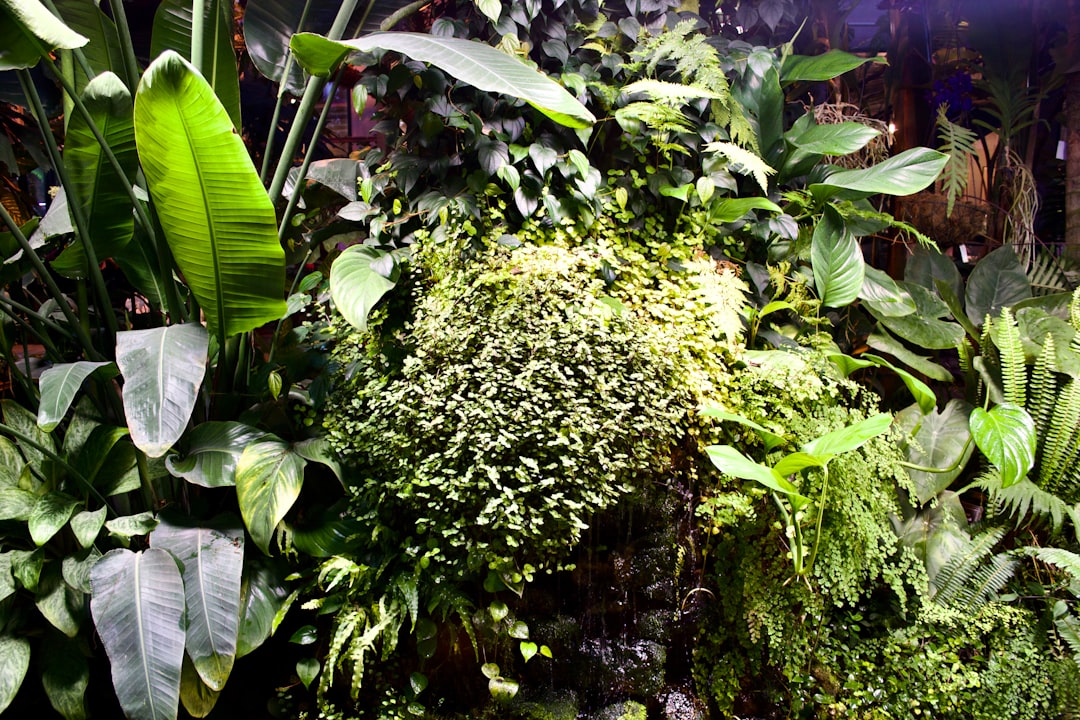
The Dutch aquascape is the oldest codified style in the hobby — documented by the Netherlands Aquarist Society (NBAT) since 1930 and refined over decades by aquarists like Christel Kasselmann, who literally wrote the species reference Aquarium Plants. It rejects hardscape entirely. No stones. No driftwood. Just densely planted “streets” of stem plants arranged by colour, height and leaf texture. This dutch style aquascape complete guide from Gensou Aquascaping at 5 Everton Park details street construction, the contrast rules NBAT judges score against, and the weekly discipline required to hold the terraces clean. This guide sits inside our broader Planted Tank Complete Hub reference.
The NBAT Scoring Tradition
Dutch aquascaping predates the Nature Aquarium style by six decades. The NBAT certifies huiskeurders (home judges) who visit registered aquariums annually and score on twelve criteria including plant health, cultivation variety, leendraad (leading diagonal), and contrast groepen (colour groupings). Entries must use at least ten plant species, with no two adjacent streets sharing leaf shape. Kasselmann’s pioneering work systematised which species will tolerate the extreme planting density a Dutch scape demands.
Understanding Streets
A “street” is a monoculture strip of one plant species running front-to-back through the tank, terraced from ground-level at the glass up to surface height at the back. Each street occupies 5-10 cm of tank length. A 60 cm Dutch tank fits 4-5 streets; a 120 cm showpiece holds 10-12. Streets are separated by plants of contrasting colour and leaf form — a red street with small round leaves never sits next to another red or another round-leafed street.
The Leendraad Diagonal
Every Dutch scape features a leading diagonal — usually a red stem plant like Alternanthera reineckii or Ludwigia palustris “super red” running from the lower-left to the upper-right corner. The leendraad guides the viewer’s eye across the composition and must cross at least three streets. Build it 7-10 stems wide and trim it at a consistent 45-degree taper. Source red stems from background plants.
Plant List for a 60 cm Dutch Tank
A starter palette: Alternanthera reineckii mini (red, leendraad), Rotala rotundifolia “green” (yellow-green bush, street 2), Pogostemon helferi (lime star-shaped, street 3), Staurogyne repens (dark green carpet, street 4), Bacopa caroliniana (broad round leaves, street 5), Cryptocoryne wendtii “brown” (broad dark leaves, focal), Limnophila aromatica (purple-pink, rear). All ten species available from live plants stockists at SGD 6-12 per pot.
Substrate and Nutrition
Dutch scapes are the most nutrient-hungry in the hobby — dense planting consumes macros at double the rate of a Nature Aquarium. Use a deep 6-8 cm bed of aquarium soil with root tabs from plant care buried every 5 cm on a grid. The Estimative Index dosing schedule (NO3 at 20 ppm, PO4 at 2 ppm, K at 30 ppm, micros daily) is the community standard. Expect to dose 5 ml macros twice weekly in a 60 cm tank.
Lighting and CO2
Red colouration in Alternanthera, Ludwigia and Rotala demands 60-80 PAR at substrate — plan on 50-60 W of high-CRI planted LED over 60 cm. CO2 injection at 35-40 bubbles per minute holds a drop-checker at lime-green throughout photoperiod. Skimping on either collapses the colour palette within weeks; a pale-red leendraad is a failed leendraad. Pressurised CO2 kits from CO2 systems start at SGD 150 for reliable regulators.
Planting Density and Initial Setup
Dutch scapes plant at 3-4 stems per square centimetre from day one — densities that would cause melt in a nature scape but prevent algae in a Dutch tank because plants outcompete every available nutrient. Arrange streets in pre-measured rows using a ruler on the substrate surface. Trim stems to 8-10 cm before planting so they root fast and taper naturally as they grow in.
The Ten-Day Trim Cycle
Dutch aquarists trim religiously every 10-14 days. Use curved scissors from aquascaping tools to maintain the terraced step profile — each street 2-3 cm taller than the one in front. Replant the top cuttings elsewhere in the same street to densify. Never let two streets grow to the same height; the stepped silhouette is the entire point. A missed trim cycle drops a contest score by 5-8 points.
Livestock Conventions
Classic Dutch fishkeeping uses a single large schooling species — 15-20 cardinal tetras, pearl gouramis or Congo tetras as focal swimmers. Discus pairs appear in the larger 180 cm tanks. Avoid bottom-dwellers and shrimp below 1 cm; they hide in the dense substrate and rarely appear during viewing. Ten Amano shrimp handle algae duty without burrowing through newly planted streets.
Common Mistakes
Beginners commonly plant too thin, leading to algae during the first month. They mix leaf shapes within a street, losing the NBAT contrast criterion. They skip the leendraad, leaving the eye nowhere to travel. And they trim too gently — Dutch trimming is aggressive, 30-40% of each stem cut every fortnight. Embrace the discipline or switch to a Nature Aquarium style.
Related Reading



