Aquascape Ideas with Rocks Guide: Hardscape Focus
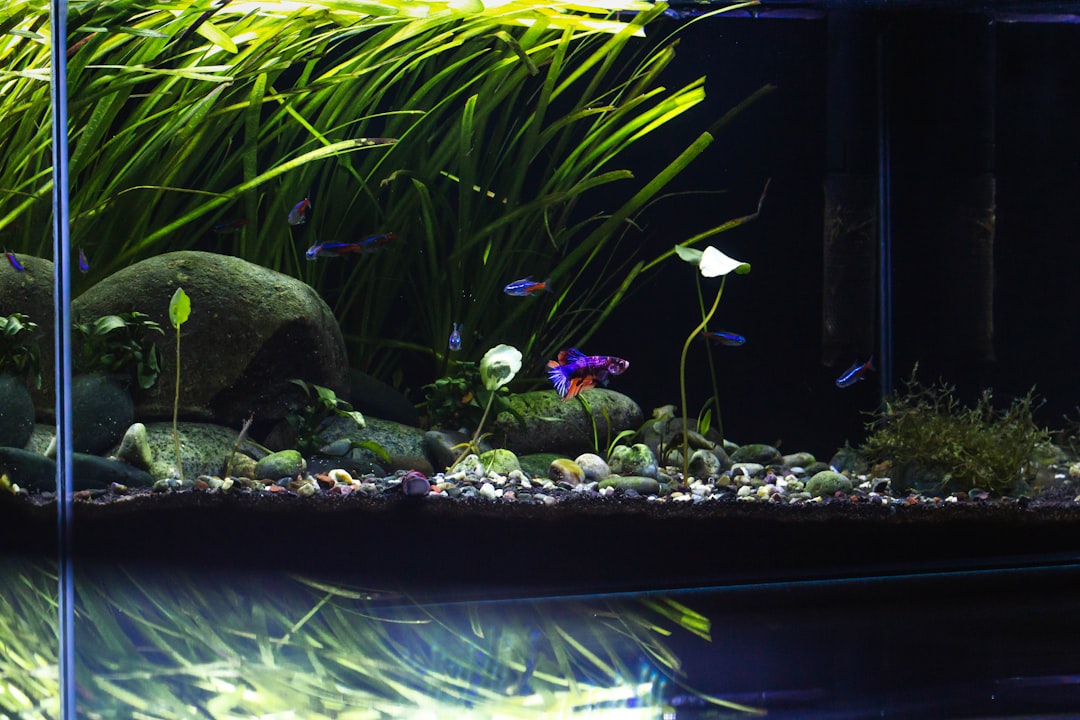
Stone is the single most compositionally powerful element in aquascaping. A well-placed three-rock grouping carries more visual weight than a tank full of plants, and nearly every contest-winning scape in the IAPLC rankings leads with stone as its architectural spine. This aquascape ideas with rocks guide from Gensou Aquascaping at 5 Everton Park explains the major hardscape stone types, how to compose one-stone, three-stone and cascading groupings, and where to source Seiryu alternatives in Singapore when the imported stuff sells out.
Why Rocks Define a Scape
Stones give an aquascape geological gravitas — they imply geological time and a sense of place. Plants rearrange themselves every six months through trimming and replanting; stones stay put for the lifetime of the tank. A beginner who gets the stonework right carries the scape even if plants struggle; the reverse is rarely true.
Stone Types and Their Characters
Seiryu (Japanese limestone) is blue-grey with sharp white veining and raises pH 0.2-0.4 units — the gold standard for iwagumi but hardness-positive. Ohko “dragon stone” (Chinese mudstone) has porous honeycomb texture and is pH-neutral. Manten rock mimics Seiryu’s vertical striation at lower cost — stocked at manten rock and across rock and stone. Lava rock is jet-black and light, suits dark substrate scapes. Pagoda stone stacks into terraced cliffs. Frodo stone is the new darling for diorama scapes.
Three-Rock Iwagumi Composition
The classic three-rock setup — one large Seiryu keystone as the Oyaishi plus two smaller accent stones — delivers maximum compositional punch with minimum clutter. Place the keystone at the golden ratio point (roughly 20 cm from the left in a 60 cm tank), lean the second stone toward it, tuck the third stone lower and offset. Fill gaps with HC Cuba carpet and Riccia midground for a textural counterpoint. Total stone budget SGD 60-120 for a 60 cm iwagumi.
Cascading Stone Arrangements
A cascading scape stacks 5-7 stones in a diagonal waterfall across the tank, carpet plants flowing through the gaps like moss on a mountain stream. Use pagoda stone or layered Seiryu offcuts stacked with superglue gel. Moss carpets (Fissidens, Christmas moss, Weeping moss) glued to upper stones mimic tumbling water vegetation. Plan substrate slope of 3 cm front to 10 cm rear to accentuate cascade height.
One-Stone Featured Scapes
A single massive stone — 20-30 cm across — dominates the scape as a solo focal point in smaller 30-40 cm tanks. Called ittan-ishi in Japanese garden tradition, the solo stone must have genuine character: a fissure, a distinct face, a leaning geometry. Bucephalandra clumps glued into the fissure and a grass carpet sweeping around the base creates an island-on-plain effect. Budget SGD 40-80 for a quality single specimen.
Diorama Mountain Scapes
Diorama scapes use many small stones (30-50 pieces) stacked in receding layers to suggest distant mountain ranges at forced-perspective scale. Smaller stones at the rear, larger in front. Frodo and mini pagoda stones work best because their grain stays believable at reduced scale. Small-leaf plants only — Monte Carlo, Marsilea hirsuta, moss — to preserve proportion. This style demands 40+ hours of initial hardscape work.
Bonding and Stacking Stones
Superglue gel from aquascape glue bonds most aquarium stones permanently in 30 seconds. Use cyanoacrylate gel, not liquid; gel fills small gaps where liquid runs. For larger structures, silicone pockets filled with aquarium-safe epoxy hold multi-kilogram stacks. Never use Portland cement — raises pH unpredictably. Test stacks dry on a towel before wet-installing; submerged rearrangement disturbs substrate.
Singapore Sourcing Reality
Imported Seiryu is rare and premium-priced (SGD 30-60 per kg when available). Manten rock at Iwarna Aquafarm runs SGD 8-15 per kg with near-identical veining. Carousell hosts active aquascaping groups where collectors sell curated stone sets at SGD 80-150 per complete scape kit. Green Chapter Bedok and Nature Aquarium Gallery occasionally restock ADA “Yamaya” and “Ryuoh” authentic Japanese pieces.
Substrate Pairing with Stone
Dark aquasoil makes Seiryu veining pop — JUN Aquasoil Black is an ideal pairing. Light cream sand (Tropica Stratum, ADA La Plata Sand) contrasts dramatically with Ohko dragon stone. Volcanic lava rock benefits from dark soil as well. Matching too closely (Seiryu on grey sand) loses contrast. Shop aquasoils at aquarium soil.
Plant Choices for Stone-Dominant Scapes
Let the stones lead; plants supplement rather than compete. Small-leaf Anubias nana petite and Bucephalandra mini glue directly onto stone shoulders. Riccia fluitans tucked into crevices pearls beautifully. Moss (Christmas, Fissidens) softens hard edges. Avoid large-leaf plants that cover stone faces — keep Echinodorus and Cryptocoryne far from the keystone. Source small-leaf species through live plants.
Related Reading
- Iwagumi Aquascape Complete Guide
- Nature Style Aquascape Guide
- Aquascape Ideas Complete Guide
- 20 Gallon Aquascape Ideas Guide
- Beginner Simple Aquascape Design Guide
Before adding any stone from your rockscape ideas to a tank, learn how to check that aquarium rocks are safe so an unknown rock doesn’t shift your water chemistry.