What Is the Best Fish for a Reef Tank Guide: Reef-Safe Picks
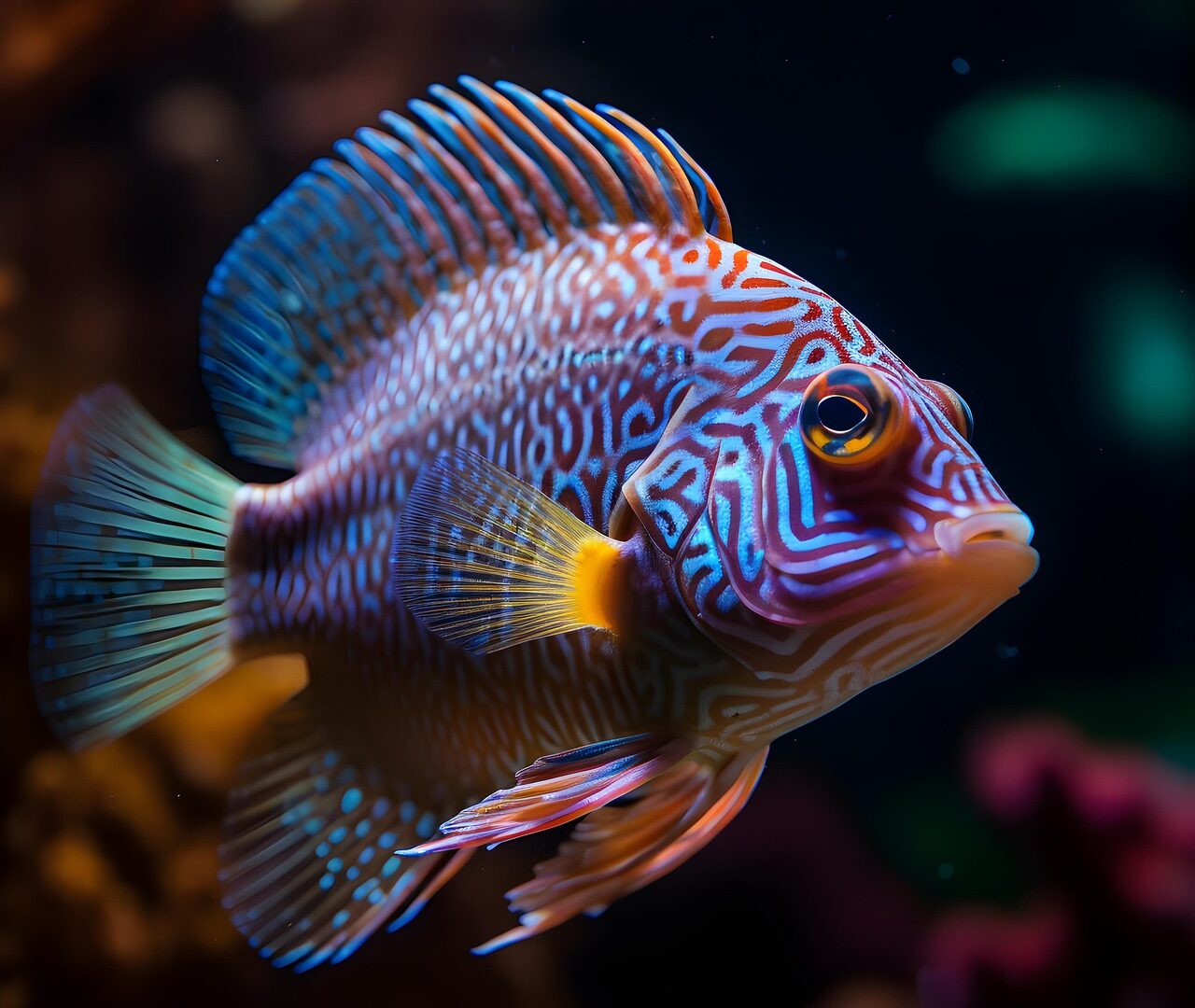
The best fish for a reef tank are species that ignore corals and clean-up crew while remaining hardy enough for closed-system life — clownfish, firefish, royal gramma, certain gobies, fairy wrasses and small tangs lead the reef-safe list. The phrase best fish for reef tank matters because one wrong pick can demolish thousands of dollars of corals overnight, and Singapore’s tropical climate adds chiller and skimmer requirements that change the budget equation. This FAQ from Gensou Aquascaping at 5 Everton Park covers the reliably reef-safe species and the local infrastructure needed to keep them.
What Reef-Safe Actually Means
A reef-safe fish leaves corals, clams and ornamental shrimp alone for its entire life. Some species are reef-safe with caveats — they may nip large-polyp stony corals when hungry but ignore everything else. Truly reef-safe picks have no documented coral damage in the literature. Reef-unsafe species include large angels, butterflyfish, triggerfish and most pufferfish, all of which graze coral polyps in the wild.
Clownfish — the Beginner Standard
Ocellaris and percula clownfish (Amphiprion ocellaris, A. percula) at 8 cm are the safest reef pick. They host BTA or carpet anemones, breed readily in captivity, and ignore corals entirely. Captive-bred specimens from Bali Aquarich or Sustainable Aquatics carry better disease resistance than wild-caught. Reef Depot stocks them at SGD 35-90 per piece in the marine and reef section.
Firefish and Dartfish
The red firefish goby (Nemateleotris magnifica) and helfrichi firefish (N. helfrichi) at 7-8 cm are peaceful, reef-safe and stunning. They hover mid-water during the day and dart into rockwork at the slightest disturbance. A tight-fitting cover is mandatory because firefish are notorious carpet jumpers. Pair them in opposite-sex groups; same-sex pairs fight to death.
Gobies for Sand and Rock
Yellow watchman goby (Cryptocentrus cinctus), tiger watchman goby and diamond goby form pistol shrimp partnerships and sift sand. Neon gobies (Elacatinus oceanops) clean parasites off tankmates. All stay reef-safe and under 10 cm. The Yasha goby paired with a tiger pistol shrimp is one of the most engaging displays in the hobby.
Royal Gramma and Basslets
Royal gramma (Gramma loreto) splits violet and yellow across a 7 cm body and is rock-solid reef-safe. Swissguard basslets and chalk basslets add similar colour. They hide in caves at first but emerge once they trust the system. Avoid the lookalike bicolor dottyback (Pictichromis paccagnellae) — it nips small fish and shrimp.
Wrasses That Behave
Fairy wrasses (Cirrhilabrus spp.) and flasher wrasses (Paracheilinus spp.) bring intense colour and are reef-safe in nearly every species. Avoid coris wrasses, dragon wrasses and most Halichoeres — they eat shrimp and snails. The six-line wrasse (Pseudocheilinus hexataenia) is reef-safe but turns territorial in tanks under 200 L; pick one or skip it.
Tangs Need 300 L Minimum
Yellow tang (Zebrasoma flavescens), purple tang and Kole tang are reef-safe and graze nuisance algae aggressively, but they need a 300 L+ swimming footprint to avoid stress and ich. Smaller bristletooth tangs like the Kole work in 250 L. A clean aquarium tank at 120 cm length minimum is the realistic starting point.
Mandarin and Scooter Blennies
Green mandarin (Synchiropus splendidus) and scooter blenny (Synchiropus ocellatus) are spectacular but need mature reefs with abundant copepod populations. Add them only after six months and confirm pod populations on the rockwork. A refugium with chaeto algae from the live plants approach for marine equivalents will sustain copepod breeding.
Singapore Chiller Requirement
Reef tanks must run at 25-26°C. Singapore HDB ambient sits at 28-32°C, so a chiller is non-negotiable. Hailea, Resun and Daeil chillers in the 1/4 to 1/2 HP range from heating and cooling handle 200-500 L systems. Budget SGD 600-1500 for a chiller alone. Skimping here causes coral RTN within weeks during hot months.
Fish to Skip in a Reef
Large angels (queen, French, emperor) eat corals. Butterflyfish nip polyps. Triggerfish and pufferfish demolish snails and shrimp. Lionfish eat clean-up crew. Anthias need huge tanks and constant feeding. Damselfish turn territorial and bully tankmates. Saving SGD 30 on a damsel costs the reef peace for years.
Quarantine Every New Arrival
Marine ich (Cryptocaryon irritans) and velvet (Amyloodinium) wipe display tanks fast. A 40 L hospital tank with copper-safe medications from conditioners and medication isolates new arrivals for four weeks before the display. Skipping quarantine is the single biggest cause of reef wipeouts in Singapore homes.
Stocking Order for a New Reef
Add a clean-up crew and a single firefish or goby first. Wait six weeks. Add a clownfish pair and a wrasse. Wait another six weeks. Then introduce more peaceful species. Slow stocking gives the biological filter time to scale and lets you spot disease outbreaks before they escalate. A reef built across six months survives ten years; one built in three weeks rarely lasts a year.
Related Reading