
Yellow Watchman Goby Pistol Shrimp Pair Care Guide
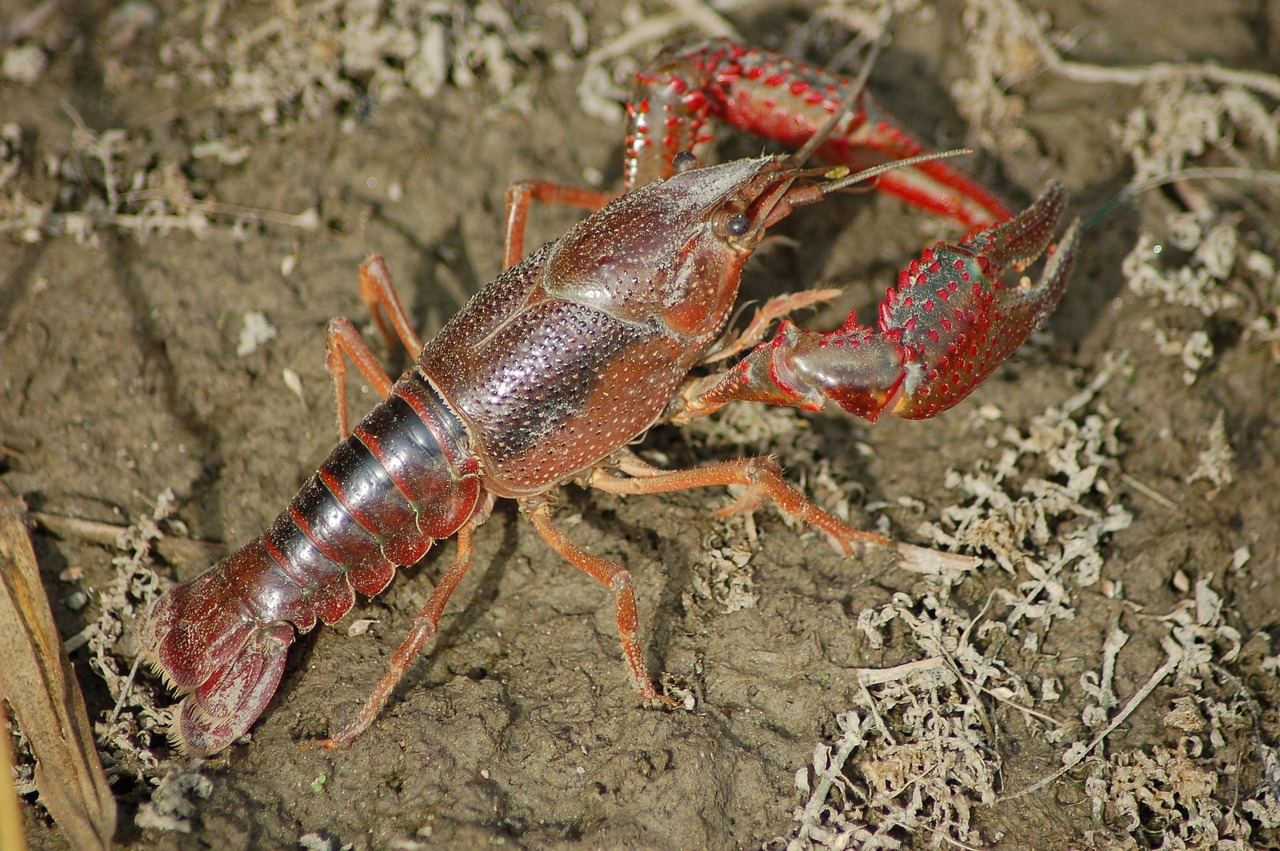
Watching a Cryptocentrus cinctus stand sentry while its blind Alpheus partner bulldozes sand past its tail never gets old, and the relationship is one of the few genuine symbioses you can recreate in a home reef. This yellow watchman goby pistol shrimp pair guide walks through tank setup, pairing logic and the small mistakes that prevent the bond from forming. Drawing on twenty years of stocking gobies at Gensou Aquascaping in 5 Everton Park, the notes here lean on what works in Singapore tanks rather than textbook theory. The pair rewards patient observers more than busy stockers. This guide sits inside our broader Tropical Fish Species Master Index reference.
The Symbiosis in Brief
Pistol shrimp dig and maintain a burrow they share with the goby, while the goby acts as lookout for predators the near-blind shrimp cannot see. The shrimp keeps an antenna on the goby at all times; a flick from the fish sends the shrimp diving back into the tunnel. This is genuine mutual dependency, not a casual arrangement, and pairs that bond stay together for life.
Choosing the Goby
Yellow watchman gobies should be 6-9 cm with full body weight, clear eyes and active perching behaviour. Avoid specimens that lie flat on the substrate breathing rapidly; this often indicates stress from poor shipping. The yellow morph fades to greyish-tan during transport stress and recovers full colour within two weeks of settling. Singapore importers receive most stock from Indonesia and the Philippines.
Choosing the Pistol Shrimp
The most successful pairings use Alpheus randalli (candy-stripe), Alpheus bellulus (tiger) or Alpheus ochrostriatus (red-banded) for yellow watchman gobies. Match shrimp size to goby size; a shrimp half the goby’s body length pairs more reliably than mismatched sizes. Healthy shrimp wave their large claw actively when the bag is opened. Avoid shrimp missing the snapping claw; the regenerated claw takes months and the symbiosis will not form properly meanwhile.
Tank Size and Layout
A 75 litre cube works as a minimum, though 120 litres gives the pair room to expand burrows without undermining your aquascape. Aragonite sand at 5-7 cm depth supports proper burrowing; finer 1-2 mm grain holds tunnel walls better than chunky reef rubble. Place rockwork on the glass bottom directly, not on the sand, so the shrimp cannot tunnel beneath and trigger a rockslide.
Pairing Methodology
Add the shrimp first and let it establish a burrow under your aquascape over 3-7 days. Add the goby afterwards in a darkened tank, dripped slowly to acclimate. The pair typically bonds within 24-48 hours; you will see the goby perch at the burrow entrance and the shrimp’s antenna emerge to touch the fish. Pairs that have not bonded after a week may never; check parameters and tank stress factors.
Water Parameters
Salinity 1.024-1.026, temperature 24-27°C, pH 8.1-8.4 and standard reef parameters apply. Singapore ambient heat means a chiller is essential to hold the lower bound. The pair tolerates nitrate up to 15 ppm and phosphate up to 0.1 ppm without obvious stress, which makes them suitable for FOWLR systems as well as full reefs. The calcium alkalinity stability reef approach helps stability though not directly relevant to either species.
Feeding the Pair
Both species are carnivorous and accept frozen mysis, brine, chopped silversides and pellet diets readily. Feed twice daily in small portions; the goby grabs food from the water column while the shrimp scavenges fallen pieces near the burrow. The shrimp does not need separate feeding once the burrow is established because the goby’s spillage covers its needs.
Tank Mate Compatibility
The pair coexists with most reef-safe fish including clownfish, firefish, tangs and small wrasses. Avoid aggressive pseudochromids and large predators that view either species as snack food. Multiple watchman gobies fight unless the tank exceeds 250 litres with separated rockscape sections. Cleaner shrimp like Lysmata amboinensis ignore the pistol shrimp completely; see our cleaner shrimp lysmata amboinensis care guide for compatibility notes.
Burrow Behaviour and Reef Safety
The pistol shrimp constantly excavates and reinforces the tunnel, depositing sand on top of nearby rockwork and disturbing your aquascape’s clean sand line. This is normal and unavoidable; embrace it as part of the natural display rather than fighting it. The shrimp uses small bits of broken coral and shell as load-bearing reinforcement at the burrow entrance.
Yellow watchman gobies are entirely reef-safe with corals, coral frags and ornamental shrimp. The pistol shrimp is reef-safe with corals but will eject any frag plug placed too close to its burrow entrance. Position frags at least 15 cm from active tunnels to avoid daily rearrangement. Both species ignore snails and the standard cleanup crew.
Common Pairing Failures
Failed pairings usually trace to size mismatch, an established goby territory before the shrimp arrived or excessive tank turbulence near the substrate. If the pair refuses to bond, try moving them to a 30 litre observation tank where there are no competing burrow sites; the forced proximity often triggers bonding. Compare with the alternative yasha goby pistol shrimp pair setup if you prefer a smaller species combination.
Quarantine, Disease and Singapore Sourcing
Watchman gobies are robust against ich and Brooklynella but prone to bacterial gill issues from poor shipping. Run a 14-day observation period before introducing to display. Pistol shrimp do not require formal quarantine but should drip-acclimate over 90 minutes to avoid osmotic shock. Apply the protocol from our how to quarantine marine fish complete piece.
Yellow watchman gobies retail $35-55 SGD at C328 Clementi, Polyart and selected Pasir Ris Farmway shops. Pistol shrimp run $25-45 SGD depending on species. Pre-paired specimens occasionally appear at premium retailers for $90-120 SGD; these are worth the premium because the bonding work is already done and survival rates are higher than DIY pairing.
Related Reading



