Saltwater and Reef Tank Master Guide: Complete Roadmap
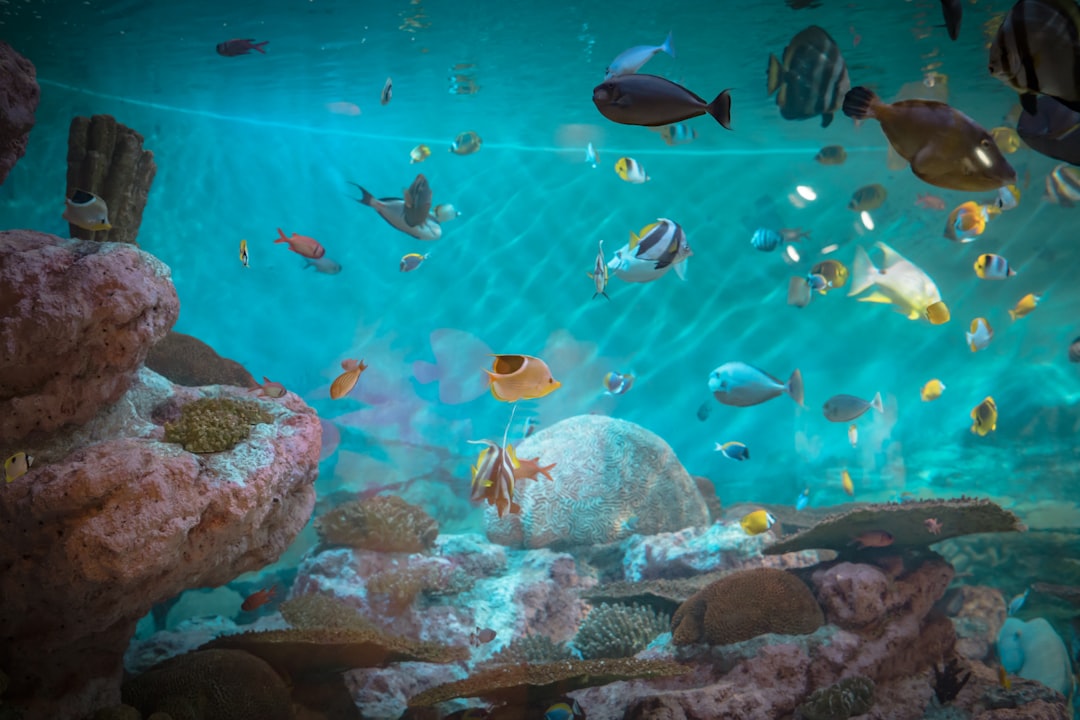
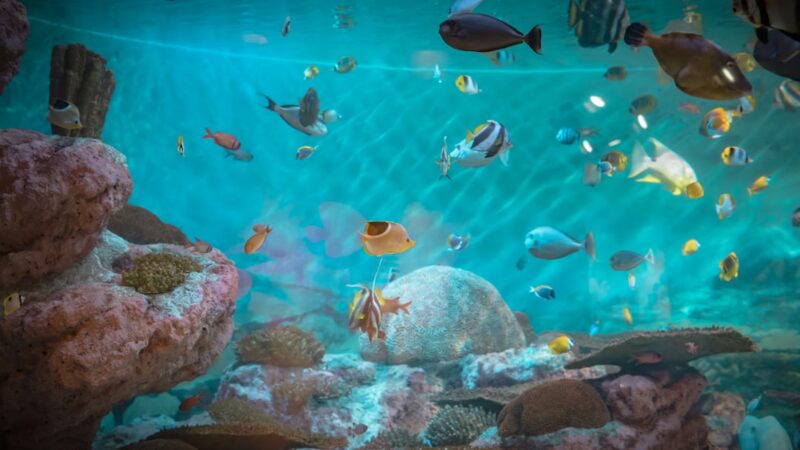
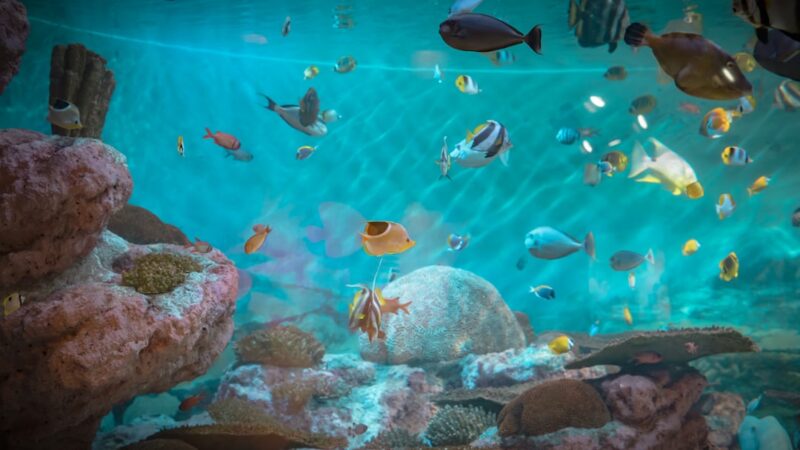
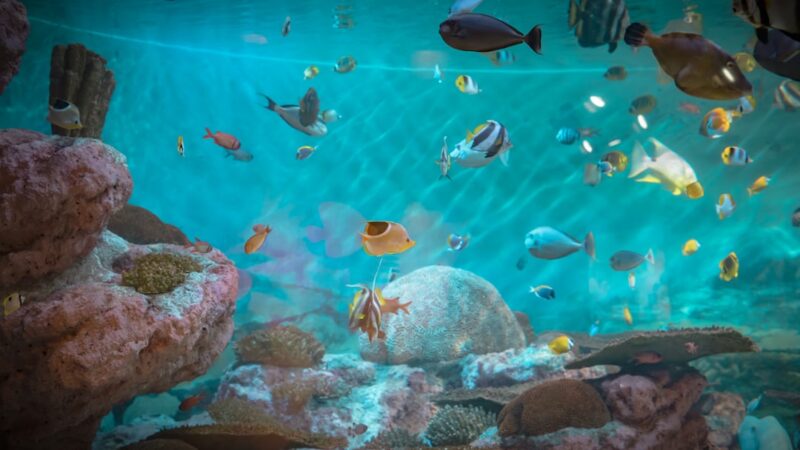
Keeping a reef is the closest most hobbyists will ever come to bringing a slice of the ocean indoors, and this saltwater and reef tank master guide exists because the jump from freshwater to marine is larger than most new reefers expect. A reef demands stable salinity, specialist lighting, reliable flow and, in our climate, a chiller that never rests. The payoff is a living ecosystem where corals grow, clownfish bond and copepods bloom overnight. This master roadmap from Gensou Aquascaping in Singapore links every stage of the journey — from your first planning decision to your hundredth coral frag — to the deep-dive articles on our site. Read it linearly if you are planning your first tank, or jump to the section that matches where you are stuck today.
Is Reef Keeping Right for You?
Before you buy a single piece of glass, run an honest self-audit. Reef tanks need more electricity, more time and more money than a planted freshwater display of the same size. Our Reef vs Freshwater Aquarium Comparison Guide sets expectations on costs, learning curve and weekly commitment. If you are cross-shopping with a plant tank, the Freshwater vs Saltwater Aquarium primer is the fastest way to see both sides.
Budget is the single biggest filter. The Reef Tank Budget Beginner Guide and the broader Saltwater Aquarium Cost Breakdown in Singapore lay out realistic SGD figures for setup and monthly running. For the frank emotional case, our Marine vs Freshwater Aquarium honest pros and cons and Saltwater Aquarium for Beginners article both ask the same question: do you enjoy tinkering weekly? If the answer is no, stay freshwater. If yes, read on.
Starter Tank Options
The right starter tank is the one you can afford to equip properly — not the largest you can fit. The sweet spot for most first-time reefers in Singapore sits between 40 and 120 litres. Our Nano Reef Tank Complete Beginner Guide covers 10-30 gallon builds, while the 20 Gallon Reef Tank Setup Guide walks through one of the best all-rounder formats. If you like the idea of plug-and-play glass with the plumbing pre-drilled, review the Best All-in-One Reef Tanks Compared and the Best Nano All-in-One Reef Tanks.
For step-by-step setup, start with How to Set Up Your First Saltwater Aquarium, then cross-reference the broader Saltwater Aquarium Setup Complete Guide and Saltwater Fish Tank Setup Guide for the first 30 days. Shopping for a kit? The Saltwater Aquarium Kit Buying Guide and the local-focused Best Marine Aquarium Starter Kits in Singapore will save you from overpriced bundles. If space is very tight, the Pico Reef Tank Setup Guide shows what is possible under 20 litres. Browse ready-made rimless and AIO systems in our marine and reef commerce category.
Essential Equipment
A reef tank is only as stable as its weakest piece of equipment, so budget for quality where it matters most. Your protein skimmer is non-negotiable — see the Protein Skimmer Beginner Complete Guide, the Best Protein Skimmers for Marine Aquariums, and for compact builds the Best Hang-On-Back Protein Skimmers for Nano. Water quality starts with purified source water: the RO/DI Water Reef Tank Complete Guide, RO/DI System Guide for Aquariums and Best RO/DI Systems for Marine Aquariums in Singapore explain why tap water will not do.
In our climate, a chiller is more important than a heater. Reference the Reef Tank Temperature Complete Guide, Best Aquarium Chillers for Marine Tanks in Singapore and Chiller Sizing for the Singapore Climate. A refugium quietly exports nutrients while culturing live food — see the Refugium Beginner Complete Guide and How to Set Up a Marine Refugium in Your Sump. UV sterilisers, powerheads and lighting round out the core kit: read the Reef Tank UV Sterilizer Beginner Guide, the Best Powerheads for Reef Tanks and the Reef Tank Lighting Beginner Guide. Dial in coral PAR with the PAR Meter Reef Tank Guide. Shop pumps, skimmers and reactors under filtration aquarium equipment, chillers and fans under heating & cooling, and fixtures under lighting.
Live Rock, Dry Rock, Sand
Rock is your biological filter, aquascape and coral real estate in one. The Live Rock Saltwater Aquarium Guide explains curing, sourcing and placement, while Live Rock vs Dry Rock Cycling compares timelines and hitchhiker risk. If you prefer a pest-free start, study the Dry Rock Reef Tank Complete Guide.
Sand choice drives pH buffering and aesthetics — the Marine Aragonite Sand Complete Guide covers deep sand bed versus bare bottom setups. For structural inspiration, Reef Rock Structure Techniques shows arches, pillars and shelves that create shaded ledges corals love. When you are ready to build, How to Cure Live Rock and Live Rock Curing Guide Reef walk through die-off, ammonia spikes and the post-cure ammonia test.
Cycling and the Uglies Phase
Marine cycling looks similar to freshwater on paper but behaves differently in practice. Start with How to Cycle Reef Tank Complete Guide and compare it to the freshwater version at Marine Nitrogen Cycle vs Freshwater. The tank matures in waves of algae and bacteria collectively known as the uglies — our Reef Tank Uglies Stage Complete Guide sets expectations for months one through three.
Two pests define the uglies: diatoms and dinoflagellates. The Diatoms Reef Tank Complete Guide and Brown Diatoms New Tank Fix Guide cover the harmless brown film stage, while Dinoflagellates Reef Tank Complete Guide and Dinoflagellates Reef Tank Eradication tackle the more dangerous brown-snot outbreak. For a week-by-week countdown, Reef Tank Week by Week Beginner Guide and Reef Tank Maturation Stages Guide show the whole first year visually.
Your First Livestock
Patience pays. Our First Fish for Reef Tank Beginner Guide argues for one hardy species before any coral, and the natural pick is a clownfish pair — see the Clownfish First Fish Beginner Guide and the broader Clownfish Care Guide. Alternative starters include the Green Chromis, Royal Gramma and Firefish Goby. Check the full Hardy Beginner Saltwater Fish List and Best Fish for a Reef Tank — Beginner Guide before you buy.
Hardy soft corals belong in any starter reef — see the Hardy Soft Corals Beginner Guide and the First Coral Beginner Complete Guide. Acclimate every new arrival properly using the Reef Tank Acclimation Complete Guide and the Drip Method versus Float Method breakdown. Seed the sandbed and rock with pods — the Copepods Reef Tank Beginner Guide and Marine Copepod and Phytoplankton Culture explain why they matter. Browse livestock in our live fish and livestock section.
Coral Care Across Categories
Corals fall into three broad groups: soft corals, large polyp stony (LPS) and small polyp stony (SPS). Start soft. Zoanthids, mushrooms and GSP are almost bulletproof — see the Zoanthid and Palythoa Care Guide, Mushroom Coral Care Guide, Green Star Polyp Care Guide, Pulsing Xenia Care Guide and the Toadstool Leather Coral Care Guide.
LPS graduate you into feeding and placement. Read the Torch Coral Care Guide, Hammer Coral Care Guide, Frogspawn Coral Care Guide, Duncan Coral Care Guide, Chalice Coral Care Guide, Acan Coral Care Guide and the Brain Coral Care Guide. When you are ready for SPS, start with the forgiving Montipora Capricornis and Stylophora, then progress to Acropora via the Acropora Coral Care Guide, Acropora Millepora and Acropora Tenuis. For ranked buying orders, see Best Soft Corals Ranked and Best LPS Corals Ranked.
Parameters and Dosing
Stability beats perfection every time. The Reef Tank Parameters Beginner Guide lists the target numbers every new reefer should know by heart: salinity 1.025, alkalinity 8-9 dKH, calcium 420-450 ppm, magnesium around 1350 ppm. Learn to read a test kit with How to Read Marine Water Test Results and the Saltwater Aquarium Test Kit Guide.
As coral consumption outpaces water changes, move to two-part dosing — see the Two-Part Dosing Guide for Reef Tanks and Calcium and Alkalinity Stability. Advanced reefers graduate to the Triton Method Reef Tank Guide, Balling Method or calcium reactor comparison. When algae or cyano appears, read the Carbon Dosing and Biopellets Reef Guide. For periodic deep diagnostics, the Reef Tank ICP-OES Test Interpretation explains how to read a full laboratory panel.
Maintenance and Troubleshooting
Reef maintenance becomes a rhythm. The Reef Tank Water Change Complete Guide and Marine Aquarium Water Changes Schedule set the weekly baseline. Use the Reef Tank First Month Routine during cycling, then transition to the Reef Tank Maintenance Schedule for steady-state life. If your nutrients are too clean — a real problem for SPS — read How to Increase Nitrates in a Saltwater Aquarium.
Disease is the other half of troubleshooting. Quarantine every fish using the How to Set Up a Marine Quarantine Tank protocol, and keep medication handy for Marine Ich (Cryptocaryon), Marine Velvet and Brooklynella. For whole-tank emergencies, the How to Recover a Crashed Reef Tank walkthrough and the Marine Aquarium Emergency Kit checklist keep panic to a minimum.
Singapore Reef-Keeping Reality
Reef keeping in Singapore is shaped by our tropical climate. Ambient temperature sits between 28 and 32 °C, so every reef tank needs a chiller — see Nano Reef Chiller Selection Singapore and Best Aquarium Chillers in Singapore. PUB tap water is chloramine-treated and unsuitable for reef use; an RO/DI system, covered in Best RO/DI Systems in Singapore, pays for itself within a year.
Expect to spend S$1,500 to S$3,500 setting up a 60-100 litre nano reef including livestock, and around S$80 to S$150 monthly on salt, power and top-up evaporation. Local livestock comes from specialists like Reef Depot, C328, Iwarna and Polyart — the Reef Depot Singapore Marine Shop Review is a worked example of what to expect on a Saturday run. For an HDB-specific setup plan, the How to Set Up a Reef Tank in an HDB Flat guide covers floor load, power and noise management.
Related Reading
This master guide is the hub; these are the top-level pillars that sit alongside it. Read Reef Tank Beginner Complete Guide for the cycle-to-first-coral narrative, the Saltwater Aquarium Beginner Complete Guide for a twelve-month roadmap, and the Coral Reef Tank Complete Guide for a deep dive into mixed-reef planning. The Marine Aquarium Fish Complete Guide catalogues the livestock side, and the Marine Aquarium Equipment Checklist is the shopping list you will revisit every year. Keep these five pillars bookmarked; between them they answer almost every question a new reefer will ask in the first two years of keeping saltwater in Singapore.

emilynakatani
Still Have Questions About Your Tank?
Drop by Gensou Aquascaping — most walk-in questions get answered in under 10 minutes by someone who has set up hundreds of tanks.
5 Everton Park #01-34B, Singapore 080005 · Open daily 11am – 8pm