Wavemaker Positioning Reef Tank Guide: Random Flow Patterns
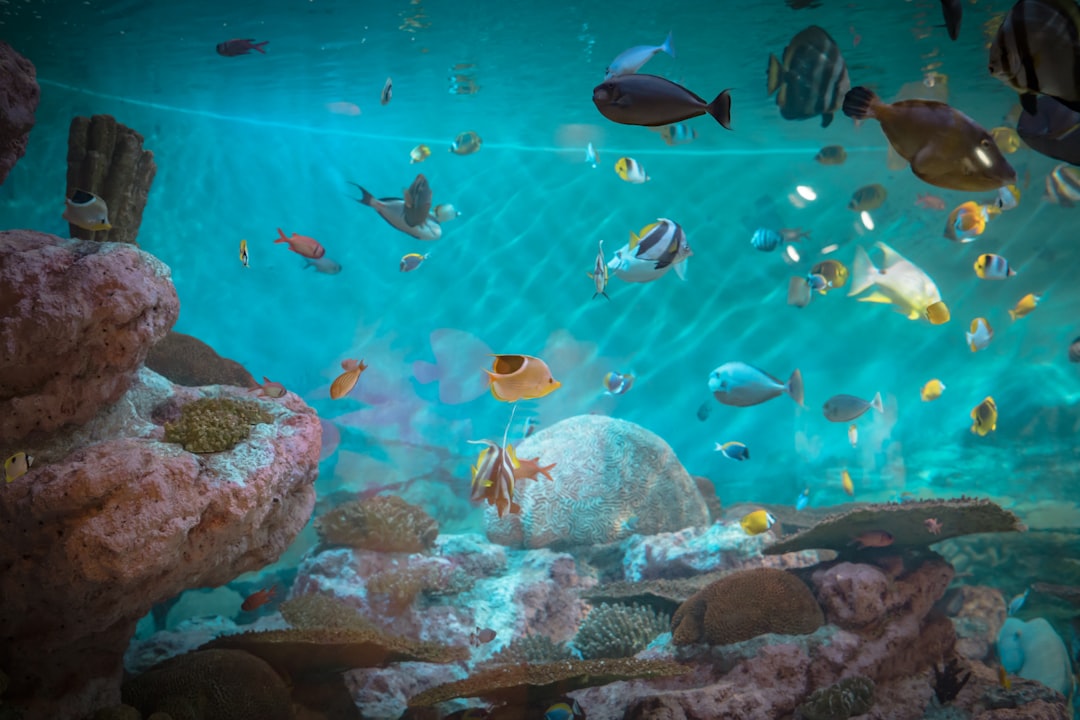
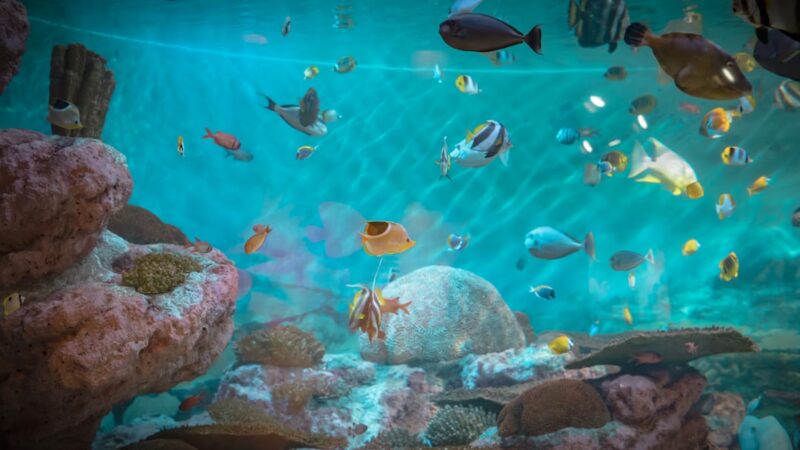
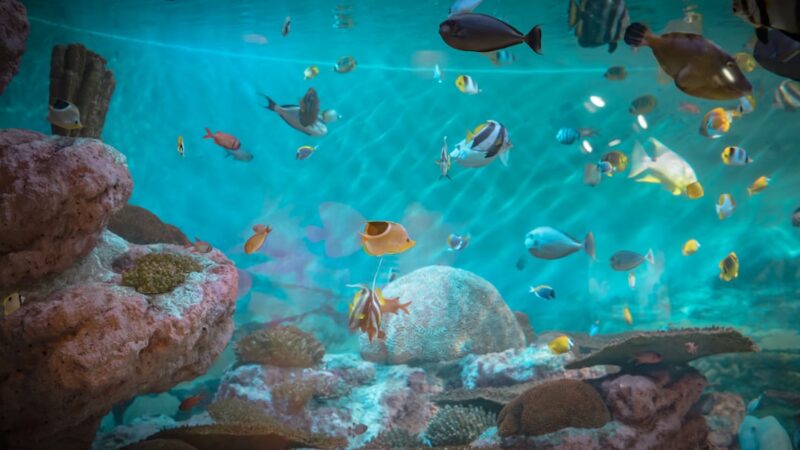
Where you place wavemakers determines whether your reef recreates open-ocean tidal flow or just blasts a corner with detritus storms. Wavemaker reef positioning is the silent variable behind whether SPS encrusts and Acropora colours up — flow patterns matter as much as PAR for coral health. This guide from Gensou Aquascaping at 5 Everton Park covers turnover targets, gyre and random patterns, and the brand-specific positioning rules that work for Maxspect, Tunze and Ecotech systems.
Display Volume Turnover Target
Aim for 5-10x display volume turnover from wavemakers, on top of any return-pump flow. A 200-litre reef wants 1000-2000 litres per hour of additional movement; a 400-litre system wants 2000-4000 LPH. SPS-dominant tanks lean toward the higher end, LPS and softie tanks toward the lower. Rated flow on packaging often overstates real performance — assume 70-80 per cent of label values.
The Two Pump Rule
Single wavemakers create dead zones on the opposite side of the tank. The minimum stable layout uses two pumps mounted on opposing walls, alternating in random pulse mode so flow direction reverses every 30-90 seconds. The shifting pattern keeps detritus suspended for the return pump and skimmer to remove while preventing static zones where cyanobacteria establish.
Maxspect Gyre Series
Maxspect Gyre XF230, XF330 and XF350 mount along the tank wall to create gyre flow — a circulating motion that travels the entire tank length. Mount a single Gyre at the top corner, blowing along the long axis, and the flow loops down the opposite wall and back along the substrate. Singapore retail runs SGD 280-380 for the XF230 and SGD 450-550 for the XF330. Browse Gyre and other wavemakers in the aquarium equipment range.
Tunze Series
Tunze 6020 (lower output, good for nano reefs), 6055 (mid-range) and 6105 (higher output) take the puck-style wavemaker approach. Mount on the side wall pointing across the tank. The Tunze controllers offer wave, pulse and storm modes. Pricing in Singapore: 6020 SGD 220-260; 6055 SGD 320-380; 6105 SGD 480-560. Reliability is excellent — Tunze pumps from 2010 still run reliably with new impellers.
Ecotech Vortech
Vortech MP10 (200 litres rated), MP40 (400 litres rated) and MP60 (600 litres rated) mount externally with a magnetic coupling, leaving zero wires inside the tank. The Reef Crest mode randomises flow direction every 1-3 seconds and produces the most reef-like patterns of any wavemaker. Singapore pricing: MP10 SGD 580-680; MP40 SGD 880-1050; MP60 SGD 1500-1750. Premium pricing reflects the magnetic mount and full software control.
Positioning by Tank Length
Sub-90 cm tanks: single wavemaker on one short wall is acceptable. 90-150 cm tanks: two wavemakers on opposing long walls or a single Gyre. 150 cm and up: two Gyres or pair of MP40s on opposing walls, programmed in alternating modes. Always position wavemakers above the rockwork crown so flow brushes the upper tier hardest, where SPS placement demands the most current.
Avoiding Direct Flow on Coral
Never aim a wavemaker directly at a coral placement zone. Direct laminar flow strips slime coat from LPS, folds soft coral branches, and burns torch coral tentacles. Position pumps so flow strikes the rockwork or glass first, then deflects across the coral. The detritus-lifting effect is identical, the coral damage is eliminated.
Random Flow Programming
Modern controllable wavemakers offer multiple modes. Reef Crest (Ecotech), Random Pulse (Maxspect, Tunze) and Wave (most brands) generate non-repeating flow patterns. Run Reef Crest for daytime hours and switch to a low Night Mode after lights-off — corals tolerate gentler flow during dark hours. The aquascaping tools range covers wavemaker controllers and timer modules.
Detritus Trap Zones
Spotting flow problems is easy: walk past the tank in the morning before maintenance and look for detritus piles. Sand-bed detritus piles indicate dead zones — relocate or angle a wavemaker to break up the trap. Detritus on rockwork tops indicates flow is too laminar — switch to random or pulse modes. Solving detritus trap zones eliminates 80 per cent of cyanobacteria outbreaks.
Singapore Build Notes
For a 200-litre HDB reef, plan for SGD 400-700 of wavemaker hardware (typically two Tunze 6055 or a single Maxspect Gyre XF230). For a 400-litre system, budget SGD 800-1500 (pair of MP40s or two Gyre XF330s). Power consumption runs 8-50W per pump depending on model and setting. Pair flow planning with quality salt mix, RODI and dosing components from the marine and saltwater range for a complete reef build.
Related Reading