Reef Coral Placement Light Zone Map Guide: PAR by Depth
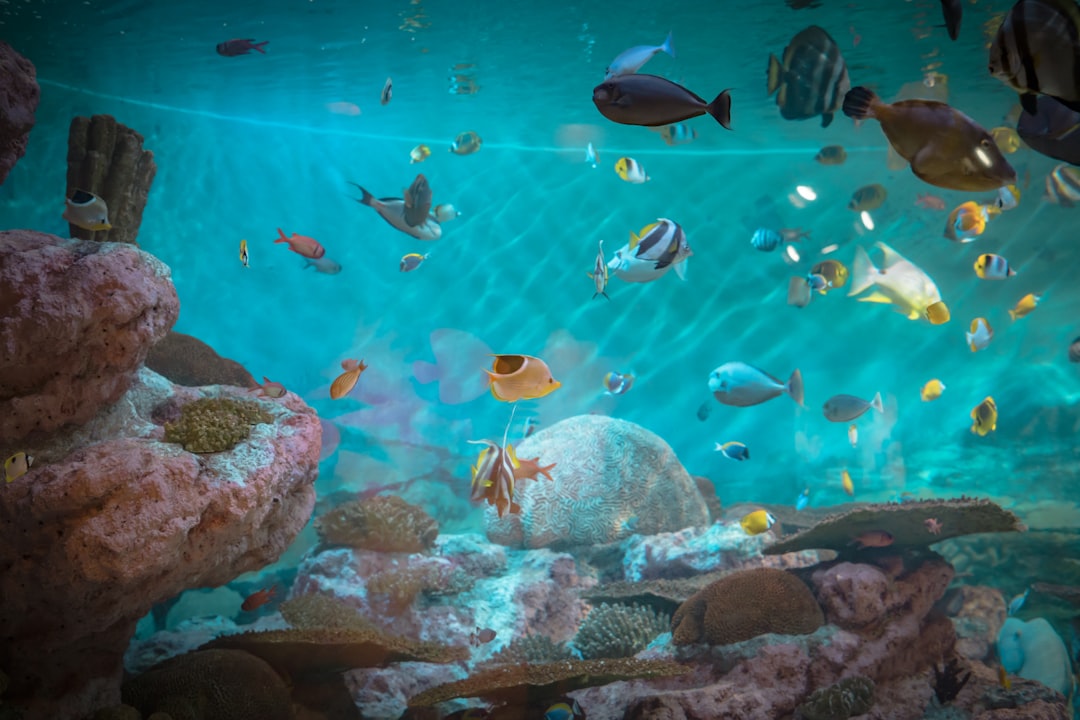
Wrong placement kills more corals in their first month than any other husbandry mistake. Mapping reef coral placement zones by depth and PAR before adding livestock saves expensive frags from bleaching, recession and starvation. This guide from Gensou Aquascaping at 5 Everton Park breaks the reef tank into vertical light tiers, lists which corals belong in each, and explains how to confirm placement using a borrowed PAR meter or the simpler shadow-test method.
The Three Vertical Tiers
Mentally split the tank water column into three horizontal bands. The lower tier (sand bed up to 25 per cent of water column height) sees 50-150 µmol PAR. The middle tier (25-65 per cent) sees 150-300 µmol. The upper tier (65-100 per cent) sees 300-450 µmol. These ranges depend on light hardware and intensity, but the relative ordering holds across nearly every reef LED on the market.
Lower Tier Corals
The shaded zone suits corallimorphs (Discosoma, Rhodactis), most zoanthids and palythoas, candy cane and trumpet coral, brain coral (Trachyphyllia), Duncan coral, and the lower-light leather corals like Sinularia. Rock flower anemones and sand-bed Trachyphyllia round out the placement options. Corals here see roughly the spectrum of a deep reef wall and rely more on feeding than photosynthesis.
Middle Tier Corals
The mid-zone is the LPS workhorse band. Hammer coral, torch coral, frogspawn, octospawn, chalice corals, acan brains, blastomussa and most leathers thrive here. Mushroom corals on rockwork shelves work well. Most beginners cluster their first six to eight frags in this zone because it tolerates the widest range of conditions and gives the most striking colour pop under blue lighting.
Upper Tier Corals
The high-PAR zone is SPS territory. Acropora, Montipora capricornis, Stylophora, Pocillopora, Seriatopora and tabling Acropora occupy the top quarter of the water column. Magnificent anemones (Heteractis magnifica) sit here when present. Bubble tip anemones often prefer mid-tier shelves in tanks with ultra-bright lighting. Browse PAR meters and reef LEDs in the aquarium equipment range.
Confirming PAR With a Meter
An Apogee MQ-510 or Seneye Reef gives proper underwater PAR readings. Borrow one from a local reef club for a single afternoon — the data informs years of decisions. Map readings on a grid: at the substrate, at every 5 cm of vertical height, and at five horizontal positions across the tank. Note the readings on a paper sketch of the aquascape.
Shadow-Test Substitute
Without a meter, use the shadow test. Hold a hand 10 cm above each placement spot under your reef lighting. Sharp shadow with crisp edges = upper tier. Soft shadow with blurred edges = middle. Diffuse shadow that barely reads = lower. The test is rough but separates SPS from LPS placement reliably.
Spectrum Variation by Depth
Reef LEDs lose red and full-spectrum components fastest as light penetrates water. Corals at substrate level receive predominantly blue and royal-blue light. Upper-tier placements get more of the warm-white, red and green components. Brown jelly disease and STN incidents correlate with sudden spectrum shifts — keep light schedules consistent for at least four weeks before changing.
Aggression Buffer Within Zones
Light zones do not exempt corals from sweeper-tentacle warfare. Even in the same zone, leave 12-15 cm between LPS species, 8-10 cm between mushroom or zoanthid colonies, and 15-20 cm around chalice corals. Spacing matters more than intensity in mixed reefs. Reef-safe glue, frag plugs and aquascape tools sit in the aquascaping tools range.
Acclimating Corals to a New Position
Move corals between tiers gradually. Drop a piece into the substrate-level zone for two weeks before moving up to mid-tier, then another two weeks before any upper-tier placement. Sudden moves between PAR zones bleach the symbiotic zooxanthellae and cause tissue recession.
Singapore Build Notes
For a 60 cm tall reef under a single Kessil A360X, the lower tier sits at substrate to 15 cm, middle at 15-40 cm, upper at 40-60 cm. For a 60 cm tall reef under a Radion XR15 G6, the same divisions apply but actual PAR runs 20-30 per cent higher. Adjust intensity and acclimation timing accordingly. RODI water, salt mixes and dosing equipment fit alongside lighting decisions in the water care range.
Related Reading