
Lotus Pond Care Singapore Guide: Tropical Bloom Cycle
Few aquatic plants carry the cultural weight of the sacred lotus, and few thrive better in equatorial Singapore than Nelumbo nucifera. Unlike its temperate cousins that go fully dormant in winter, a healthy lotus pond Singapore setup blooms almost year-round once the rhizome is established, throwing out fresh pads every fortnight from March through October. This guide from Gensou Aquascaping at 5 Everton Park covers the planting depth, fertiliser cadence and rhizome handling that separate a thriving lotus from a sulking one.
Why Lotus Suits Tropical Ponds
Lotus evolved across monsoon Asia and copes with steady 28-32°C water far better than hardy water lilies bred for European climates. In Singapore the rhizome never truly sleeps — pads emerge continuously and the bloom cycle simply slows during the wettest months when overcast skies cut photosynthesis. Expect 8-15 flowers per mature plant per season once the crown has been in place 18 months.
Choosing Bowl, Tub or Pond
Lotus is greedy for root run. A dwarf cultivar like Momo Botan fits a 40 cm diameter bowl at 25 cm depth; standard cultivars like Mrs Perry D Slocum need a 60-80 cm tub holding at least 60 litres. Submerge the container so the soil surface sits 15-25 cm below the waterline. Browse the pond equipment range for liner kits if you are converting a balcony tub into a dedicated lotus bowl.
Substrate and Planting the Rhizome
Use heavy aquatic clay loam or pond-grade laterite — never bagged potting mix, which floats and clouds the column. Lay the rhizome horizontally with the growing tip angled slightly upward and weigh the back end with a smooth pebble. The eyes (growing nodes) must remain uncovered or they rot. A 5 cm cap of pea gravel keeps koi from uprooting the crown.
Sun Hours and Positioning
Lotus needs full sun, ideally 6-8 hours of direct exposure. HDB corridor and balcony installs that sit in deep shade rarely flower; landed property west-facing yards are the prize spots. If your pond gets only 4-5 hours, expect strong leaves but few blooms. Rotate container ponds quarterly so the same side does not always face the sun.
Fertiliser Cadence
Push aquatic tablet fertiliser into the substrate at 1 tab per 4 litres of soil every 4-6 weeks during the active bloom period. Tropica Plant Growth Substrate Tabs and Aquaforest Pond Tabs both work — never broadcast granular fertiliser into open water as it triggers algae blooms. Stop feeding 6 weeks before any planned rhizome division.
Pruning and Pad Management
Yellowing aerial pads should be cut at the waterline using aquascaping tools with long blades — never above the surface, since hollow stems siphon water into the rhizome and cause rot. Spent flower heads can be left to develop the iconic seed pod or trimmed to redirect energy into next season’s growth.
Koi and Goldfish Compatibility
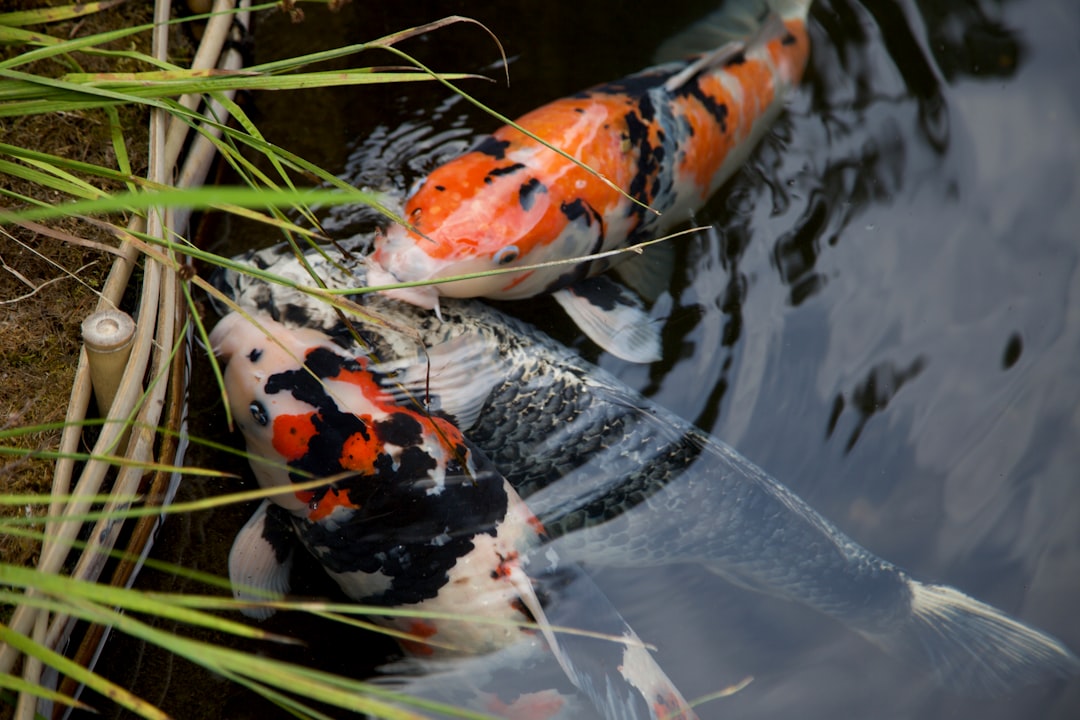
Koi will demolish young lotus pads and pull rhizomes apart in days. Either house lotus in a fish-free display pond, or protect the container with a 25 mm plastic mesh cap secured by stones. Mature plants with thick aerial canopy can tolerate moderate goldfish stocking once new growth clears the surface.
Water Chemistry Targets
Lotus tolerates a wide pH range from 6.5 to 7.8 but resents sudden swings. Singapore PUB tap at GH 2-4 sits comfortably soft for the species. Top up evaporation with conditioned tap water; algae explosions in lotus tubs almost always trace to over-fertilising rather than nutrient deficiency, so dose conservatively and observe.
Sourcing Rhizomes Locally
Far East Flora at Thomson stocks dwarf bowl cultivars at SGD 25-45 per rhizome during planting season. World Farm and NParks-licensed nurseries carry standard cultivars at SGD 35-60. Carousell sellers occasionally list rare imported Chinese cultivars at SGD 80-150. Always inspect for firm flesh and at least two viable eyes before buying.
Common Setbacks
The two leading killers are buried growing tips and waterlogged potting mixes. Fungal rot starts as a translucent patch on the rhizome and spreads within a week. Cut affected sections back to firm white tissue, dust with cinnamon as a natural fungicide, and replant in fresh clay. Keep water treatment supplies on hand for tannin neutralisation if a rot event darkens the column.
Related Reading



