
Cabomba Pond Oxygenator Care Guide: Submerged Plant
Cabomba is one of the most decorative submerged oxygenators a pond keeper can plant — its feathery fan-shaped leaves move like flames in the current. A productive cabomba pond setup uses Cabomba caroliniana as a submerged biofilter that releases oxygen during daylight hours and soaks up dissolved nutrients across the column. This guide from Gensou Aquascaping at 5 Everton Park covers planting depth, light demands and koi-safe placement strategies for cabomba in Singapore conditions.
Why Submerged Oxygenators Matter
Surface plants like water lettuce shade the column but reduce gas exchange. Submerged plants release oxygen directly into the water during photosynthesis and absorb dissolved nutrients through their leaves. A pond with both surface coverage and submerged oxygenators sustains higher fish stocking densities than one with only floating plants.
Light Demands
Cabomba is one of the most light-hungry submerged plants — it needs 6-8 hours of bright sun penetrating to the planting depth, which usually means clear water and shallow placement (no more than 60 cm deep). Shaded ponds, ponds with heavy floating coverage, and tannin-stained ponds rarely sustain healthy cabomba. Choose hornwort or anacharis instead in those conditions.
Planting Depth and Position
Bunch 6-8 stems together with a lead weight and push into a substrate basket at 30-60 cm water depth. The fan-shaped leaves need clear column space to spread, so allow at least 15 cm between bunches. Keep cabomba away from pump intakes — fragmenting stems clog impellers quickly.
Substrate Choice
Cabomba prefers a fine sand or aquatic clay substrate to anchor in. Use a 25-30 cm mesh basket with heavy clay loam capped by 4-5 cm of fine gravel. The substrate range at Gensou stocks pond-grade aquatic clay suitable for submerged plant baskets. Bagged compost simply floats up and clouds the column.
Fertiliser Strategy
Cabomba absorbs nutrients through both roots and leaves. Push one aquatic root tab into each basket every 6-8 weeks for root feeding. The species also responds to liquid carbon supplements like Seachem Excel at the recommended dose, though over-dosing kills the plant within hours. Test on a small bunch before treating the whole pond.
Koi and Goldfish Compatibility
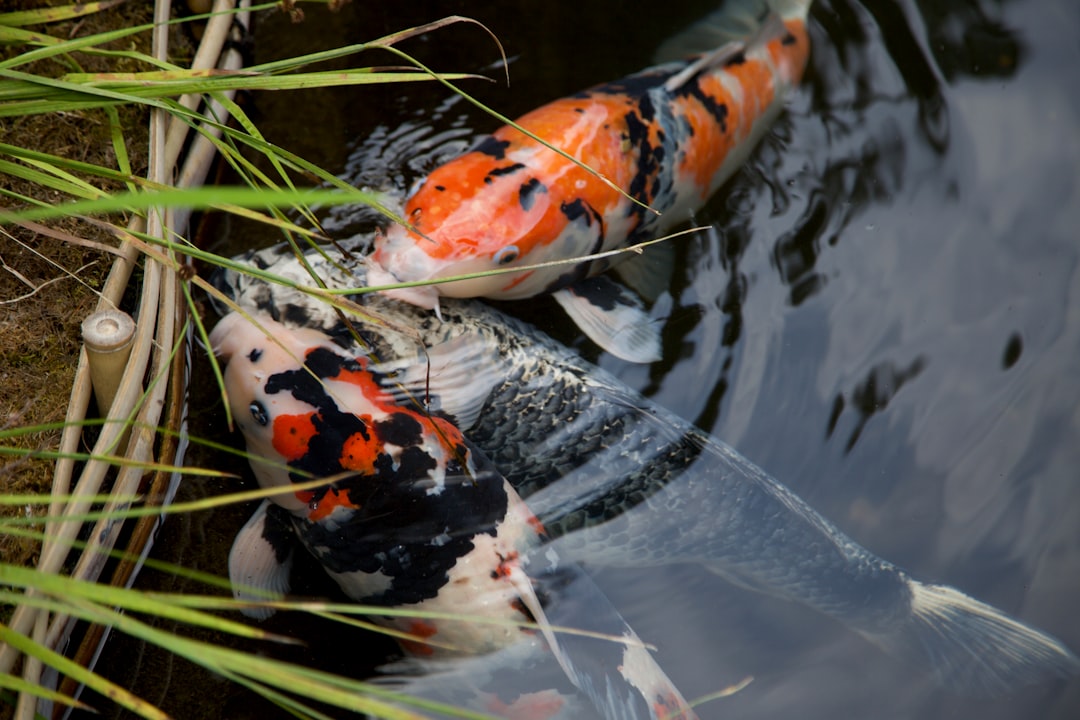
Koi shred cabomba within days. The species is unsuitable for koi-display ponds without a protected planting cage. Goldfish nibble at the soft fronds but cause less damage. For koi ponds where you want submerged oxygenation, choose hornwort or anacharis — both are tougher. Cabomba works best in fish-free filtration ponds connected to the main pond by overflow.
Water Chemistry
Cabomba prefers pH 6.0-7.5 and soft water. Singapore PUB tap at GH 2-4 suits well. Hard water above KH 8 stresses the plant — never an issue locally. The species is sensitive to chloramine, copper-based algicides and rapid pH swings. Use the water treatment shelf dechlorinators on every top-up.
Pruning and Propagation
Cut leggy stems halfway down and replant the cut tops as new bunches. Both top and base will grow new fronds. Sharp scissors give cleaner cuts than tearing. Removed bottom sections can also be replanted but tend to be weaker. Propagation is so fast that a single dense bunch supplies stem cuttings for the entire pond within 2-3 months.
Common Setbacks
Sudden frond melting usually traces to chloramine spikes from unconditioned top-up water, copper algicide residue, or shading from floating plants. Diagnose by checking each variable: top-up water, recent treatments, surface coverage. Replant fresh tops once the cause is removed and growth resumes within 2 weeks.
Sourcing in Singapore
Cabomba is widely sold as an aquarium plant first, pond plant second. C328 in Clementi, Polyart and aquatic specialty shops at Thomson stock bunches at SGD 4-10. Specialist Carousell sellers offload larger pond-quality bunches at SGD 6-15. Inspect for fresh green tips and avoid stock with brown stem bases — those rarely re-establish in pond conditions.
Related Reading



