
Anacharis Pond Oxygenator Care Guide: Egeria Densa
Anacharis is the workhorse submerged oxygenator that dominates Asian and American pond hobbies for one simple reason — it grows fast, looks lush, and outright refuses to die under most reasonable conditions. A productive anacharis pond setup uses Egeria densa as the standard column-filling oxygenator, paired with floating cover and marginal plants. This guide from Gensou Aquascaping at 5 Everton Park covers planting, light demands and koi-safe handling for anacharis in Singapore conditions.
Identifying Genuine Egeria Densa
True Egeria densa shows whorls of 4-6 dark green linear leaves at every 1-2 cm along thick stems. It is often confused with Elodea canadensis (smaller leaves, narrower whorls) and Hydrilla verticillata (which is banned or restricted in many countries). Confirm species at point of purchase — most Singapore aquatic shops sell Egeria densa simply as anacharis.
Planting Approach
Bunch 6-8 stems with a lead weight and push into a substrate basket at 30-60 cm water depth. Allow 15 cm between bunches for column spread. Anacharis can also be left free-floating, although stem fragments tend to drift into pump intakes. Anchored planting is generally tidier in display ponds.
Substrate and Fertiliser
Anacharis grows roots quickly and absorbs nutrients through both roots and stems. Use heavy clay loam in a 25-30 cm mesh basket. Push one aquatic root tab per basket every 6-8 weeks. The substrate range at Gensou stocks pond-grade aquatic clay suitable for submerged plant baskets.
Light Demands
Anacharis tolerates a wider light range than cabomba — 4-7 hours of direct light works comfortably, with strong growth across that span. The species also accepts part-shaded ponds where cabomba would melt. Singapore’s intense overhead sun produces the densest growth, with whorl spacing tight and leaves rich green.
Growth Rate and Pruning
Anacharis adds 2-5 cm per stem per week under good conditions. Cut stems halfway down and replant the tops as new bunches when growth reaches the surface. Sharp aquascaping tools with long blades handle the underwater pruning cleanly. The species fragments easily so trim with care to minimise drift into filters.
Koi and Goldfish Tolerance
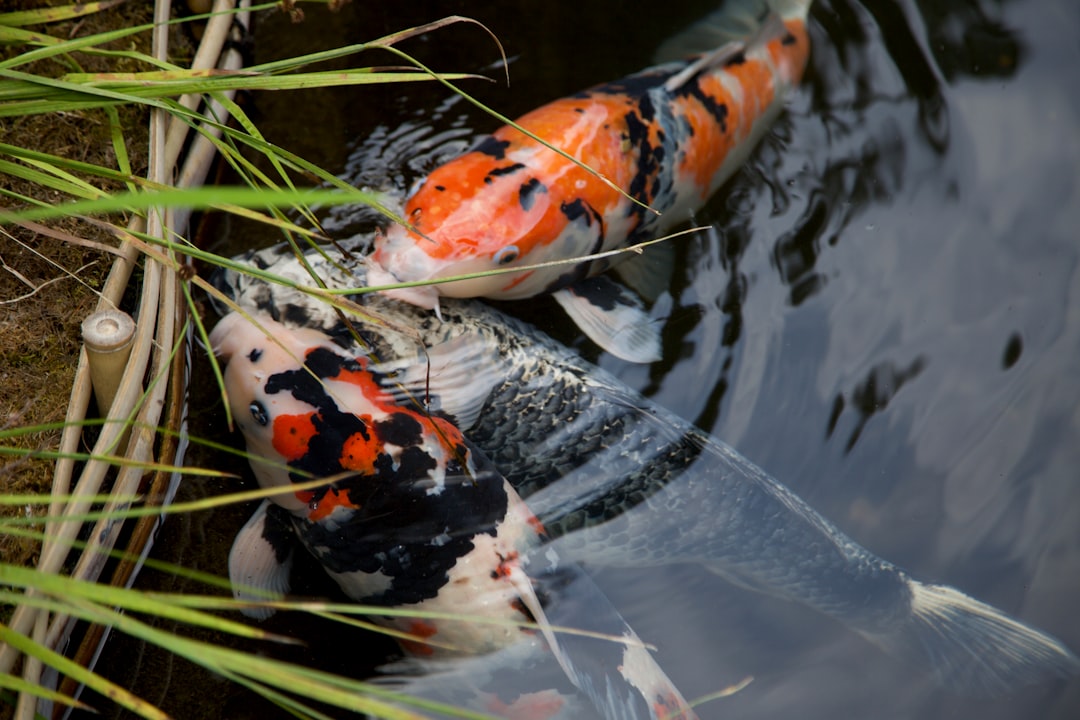
Koi shred anacharis aggressively and will eat both leaves and tender stem tips. The plant regrows from each fragment, so colonies survive in fish-display ponds, though continuous regrowth of fragments creates extra filter maintenance. Goldfish are gentler and rarely cause significant damage. Cage-protect young plantings for 3-4 weeks until they establish.
Water Chemistry
Anacharis accepts pH 6.0-8.0 and soft to moderately hard water. Singapore PUB tap fits naturally. The species is sensitive to copper algicides — even residual concentrations cause stem melt. The water treatment shelf stocks dechlorinators for top-up water, which is essential because chloramine spikes the leaves quickly.
Allelopathic Algae Suppression
Anacharis releases mild allelopathic compounds that suppress green-water algae. The effect is documented but variable. A 25-35 per cent column volume of healthy anacharis often shifts a chronic green-water pond toward clarity within 4-6 weeks, especially when paired with adequate UV clarification.
Pairing With Other Pond Plants
Combine anacharis with surface plants like water lettuce, salvinia or azolla for shaded coverage, and with marginals like papyrus or pickerelweed at the edges. The species complements lily pads in mixed display ponds and works well with submerged hornwort for layered oxygenation. Container ponds on HDB balconies benefit from a small bunch even in 60-litre tubs.
Sourcing in Singapore
Anacharis is the most affordable submerged pond plant locally. C328 in Clementi, Polyart and aquatic specialty shops at Thomson stock bunches at SGD 3-8. Carousell sellers offload large bagfuls at SGD 5-12. World Farm bulk-stocks during nursery deliveries at SGD 3-6 per bunch. Inspect for fresh green tips and avoid stock with brown stem bases or yellow whorls.
Related Reading



