First Koi Pond Decision Singapore Guide: 5 Choices Before Build
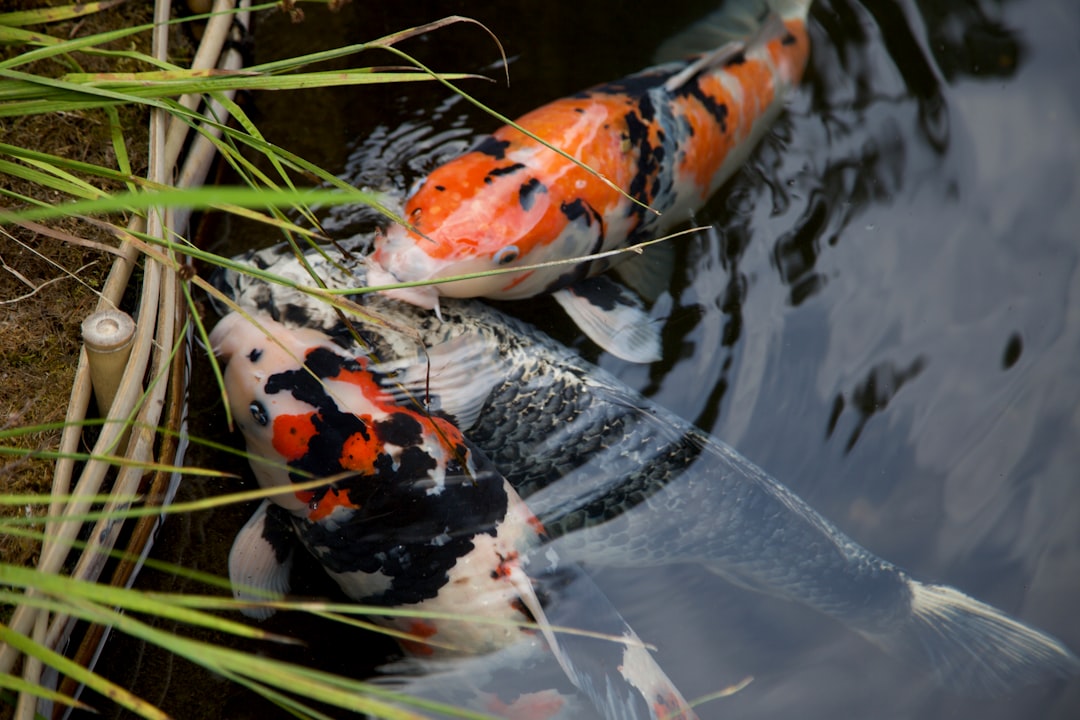
Most failed koi ponds in Singapore lose their fish within the first 18 months — almost always to decisions made before a single shovel hit the ground. Picking pond size, filtration class and stocking budget after the build is finished forces compromises that haunt the pond for its entire lifespan. The first koi pond singapore decision matrix below from Gensou Aquascaping at 5 Everton Park walks first-time keepers through the five upfront choices that shape every later result.
Decision One: Budget Tier
Three honest tiers. Entry: SGD 2,000-5,000 covers a pre-formed liner pond, basic gravity filter, low-end pump and starter koi. Mid: SGD 8,000-25,000 buys a custom-shape EPDM-lined or shallow-concrete pond with bog filter, UV, proper plumbing and quality stock. Pro: SGD 50,000+ is full concrete with bottom drain, settlement chamber, multi-stage filtration and show-grade koi. Pick a tier and stay within it — splitting between tiers ends in a pond too big for the filter or too small for the fish.
Decision Two: Space and Volume
Koi need 1,000L per fish at adult size, minimum. A four-koi pond therefore needs 4,000L plus filter volume — roughly 2.5m × 1.5m × 1.2m. Smaller ponds force koi to grow stunted, reduce average lifespan, and concentrate waste fast. If your space cannot accommodate 4,000L, pick goldfish or container ponds instead. Honest sizing at the planning stage saves heartbreak later.
Decision Three: Build Method
Three common Singapore options. Pre-formed plastic liner ponds (SGD 200-800 for the shell) are fastest and cheapest but limited to fixed shapes under 1,500L. EPDM rubber liner over a dug excavation supports any shape up to 30,000L and lasts 20+ years if installed properly. Concrete is the gold-standard for permanent installs but requires builder-grade waterproofing, cure time, and BCA structural review for ponds over 5,000L. Consult the pond equipment range for liner and pre-formed shells.
Decision Four: BCA Permits and Strata Rules
Landed properties: ponds under 5,000L typically do not require BCA permit, but anything structural (concrete pond above 1m depth, integrated waterfall, retaining walls) needs an architect-approved drawing. Condo strata: most condos prohibit permanent ponds on private lot — check the by-laws first. HDB: ponds inside the unit are forbidden under fire-safety code; balcony container ponds are tolerated within strata weight rules. Get the paperwork sorted before the deposit goes down on a builder.
Decision Five: AVS Koi Import Paperwork
If you plan to import koi directly from Japan or Indonesia, you need an AVS (Animal & Veterinary Service, formerly AVA) Certificate of Health Inspection per shipment, plus an importer permit if you do this regularly. Most home keepers buy from Singapore importers who handle the paperwork — Iwarna, Marugen, and similar — at a markup over Japan-direct cost but with paperwork already cleared. Direct import savings are typically eaten by quarantine setup and freight costs.
Filtration Sizing Logic
The filter must turn over the full pond volume every 90-120 minutes. A 5,000L pond therefore needs a 2,500-3,500 L/hr pump and a bio-filter sized for 30 per cent of pond volume. Undersized filters are the most common Singapore home-build mistake — landscape contractors quote on aesthetics, not bio-load. Insist on filter calculations on paper before signing a build contract.
Climate Considerations
Tropical conditions push three design choices. First, depth — 1.0-1.5m minimum to buffer afternoon heat. Second, shade — pergola or shade cloth covering 50 per cent of surface. Third, oxygenation — high turnover plus dedicated air pump. These are not optional add-ons; they are foundational. Skipping any one of them produces a pond that struggles every dry-season afternoon.
Stocking Path
Plan the stocking path on day one. Year one: water cycle for 4 weeks fishless, then add 2-3 small SGD 30-80 koi for the first 6 months while the bio-filter matures. Year two: add 2-3 mid-size koi at SGD 150-500 each. Year three onward: add show-grade fish if budget allows. Buying eight large koi on day one to fill the pond is the single most common reason ponds collapse in week six.
Pump Selection
External vs submersible. Submersible: easier install, but pump heat warms pond water 1-2°C and motor lifespan is shorter (2-4 years in tropical conditions). External: cooler running, longer life, easier maintenance access, but requires dry housing and proper plumbing. Most pro builds use external; most DIY builds use submersible. Both work; pick based on your tolerance for pump replacement frequency. The pond equipment range stocks both classes with flow ratings up to 30,000 L/hr.
Common Pre-Build Mistakes
Five mistakes pop up repeatedly. Building first, calculating filter second. Picking decorative rocks before checking pH leaching. Skipping the bottom drain on a planned-permanent pond. Connecting pond fill to the garden hose without a backflow preventer. Hiring a landscape contractor with no koi build references. Each of these adds SGD 2,000-15,000 in retrofit cost — usually more than doing it right the first time.
Related Reading