First Pond Readiness Checklist 30-Day Guide: Permits to Stocking
The 30 days between pond build completion and first fish addition determine whether the pond runs cleanly for a decade or fights problems for its entire life. A first pond readiness checklist structured around weekly milestones turns the chaotic post-build period into a predictable sequence. This guide from Gensou Aquascaping at 5 Everton Park walks through the four-week schedule for landed-property koi and goldfish ponds — what to do, what to test, and what to wait on.
Day Zero: Build Sign-Off
Before the builder leaves, walk the entire pond with a checklist: every plumbed connection holding water for 24 hours, all electrical outlets RCD-tested, the overflow drain demonstrably clear to its endpoint, and surface levelness within 5mm front-to-back. Photograph every joint and bulkhead before they get covered with rocks or planting. Sign-off without these checks turns minor warranty issues into excavation projects.
Week One: Concrete Cure and Initial Fill
If the pond is concrete, free lime leaches aggressively for the first month. Fill to operating level, run the pump on a closed loop (no fish, no plants), and dose pond cure additive or vinegar at 200 mL per 1000L to neutralise. Drain and refill twice over the week, testing pH at each refill — a fresh concrete pond reads pH 9.5+ on first fill and should drop to under 8.5 by end of week one. Liner ponds skip this step but still benefit from a 24-hour run-in.
Week One: Electrical and Plumbing Verification
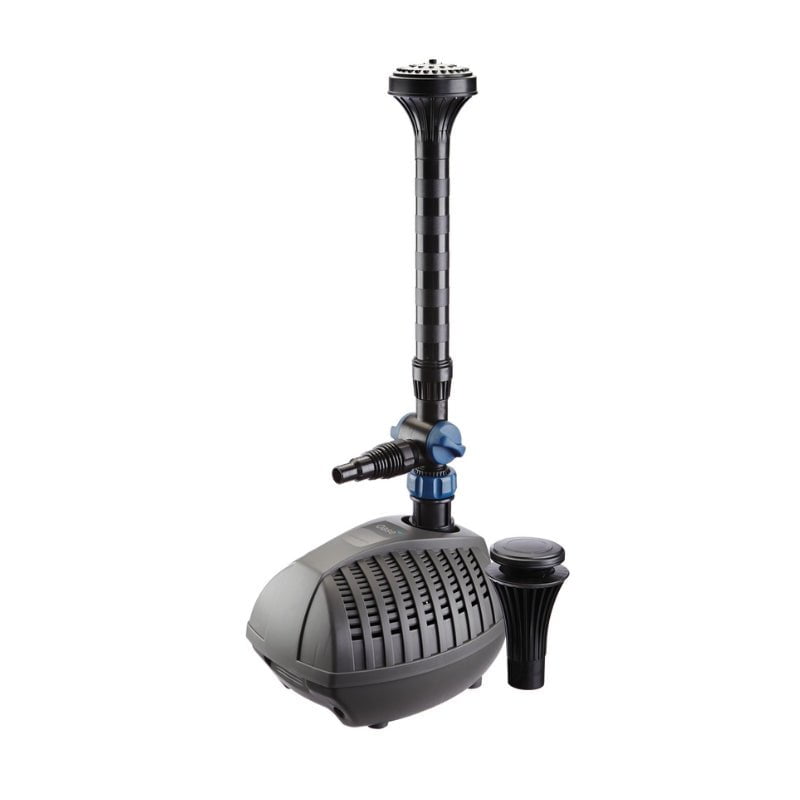
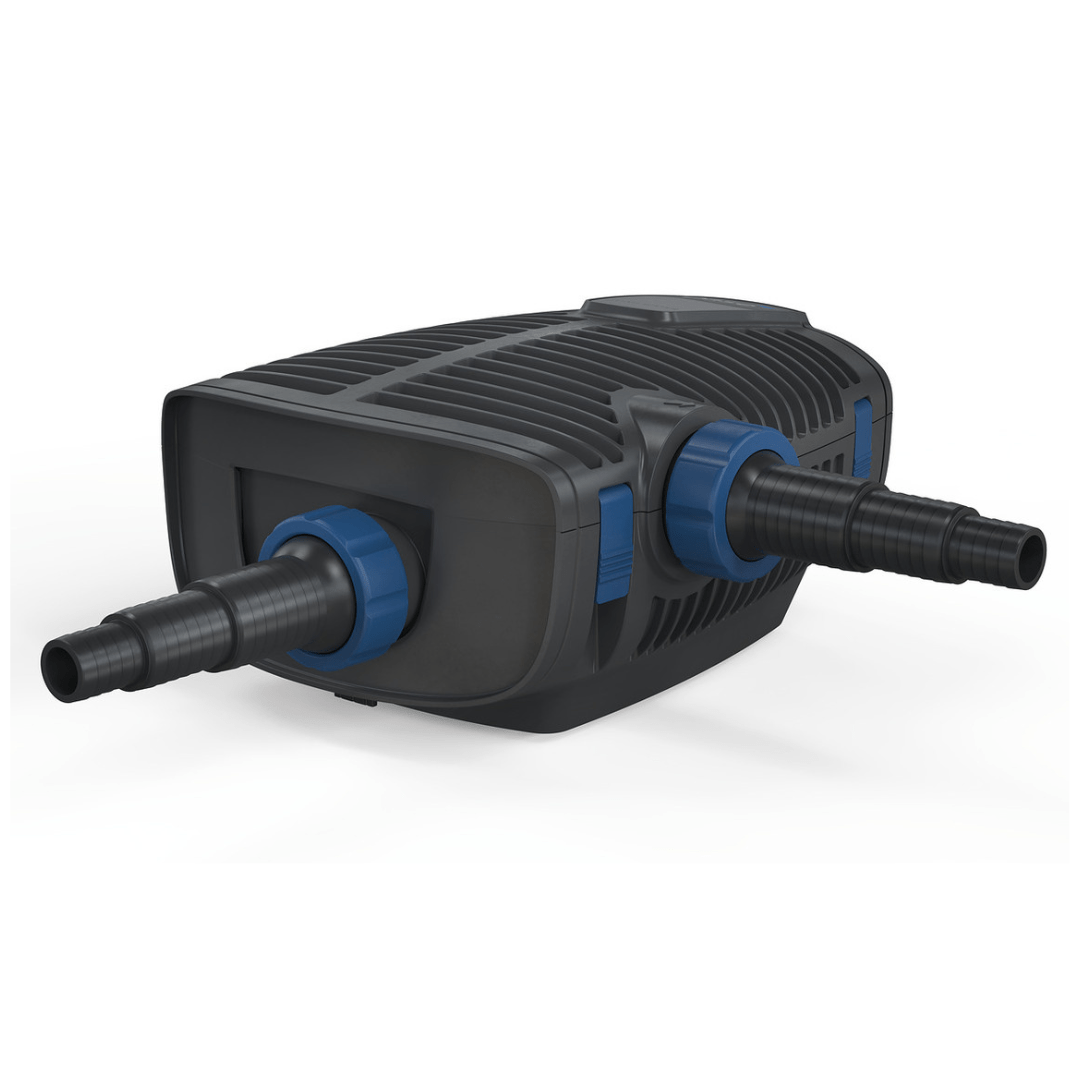
Run pumps, UV, air pump and any lighting for 72 continuous hours. Look for cable warming, joint leaks, pump cavitation noise and any unusual vibration. Issues that surface in the first 72 hours are warranty-fixable; issues that surface after fish are added become DIY repairs. Keep test logs and photographs for the builder.
Week Two: Plant Introduction
Add hardy plants first — water lettuce, salvinia, hornwort, anacharis. These tolerate the high pH of cure-stage water and start absorbing the nutrients that will otherwise feed string algae once fish arrive. Hold off on lotus, water iris and other higher-value marginals until pH drops below 8.5. The decoration substrate range stocks aquatic baskets and substrate for marginal plant introduction.
Week Two: Bacterial Starter Dose
Begin the fishless cycle with bottled bacteria — Aquaforest Pond, Tetra Pond Bactozym or Microbe-Lift PL. Dose at manufacturer rate daily for the first three days, then weekly. To give bacteria something to consume, dose 5 mL of household ammonia (clear, fragrance-free) per 1000L water. Test ammonia and nitrite daily; the cycle is complete when both read zero within 24 hours of an ammonia dose.
Week Three: Water Chemistry Stabilisation
By day 21, pH should sit between 7.4 and 8.4, KH at 6+, GH at 5-12, ammonia and nitrite at zero, nitrate climbing past 10 ppm (good — it means the cycle is working). If pH still reads above 8.5, do another 25 per cent water change and continue cure. If KH is below 4, dose carbonate buffer from the water care treatment range.
Week Three: UV Burn-In
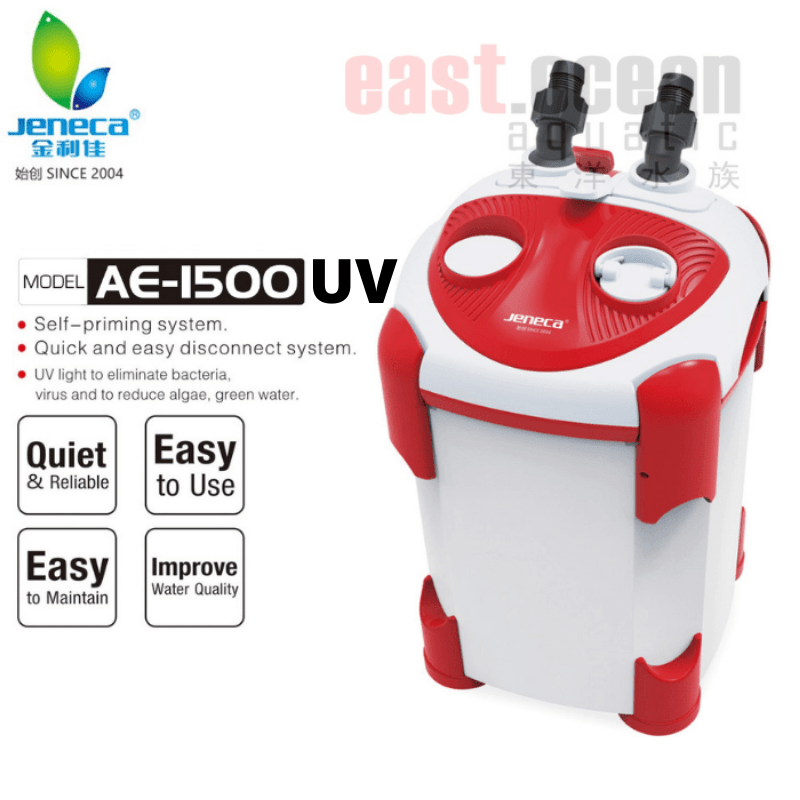
Run UV for the full week to clear the green water bloom that typically peaks at day 14-21 of cycling. UV bulbs hit full output after 100 hours of run time, so do not interrupt the sterilisation cycle. Pair with mechanical filter cleaning every 3-4 days during the bloom — single-cell algae fragments clog mechanical media fast.
Week Four: First Stocking — Hardy Fish Only
Add 2-3 small hardy fish — common goldfish, comet goldfish or shubunkin work well as cycle finishers. Acclimate by floating the bag for 30 minutes, then drip-acclimate over 60 minutes. Avoid koi at this stage — koi are more sensitive to incomplete cycles than goldfish, and the finishing-cycle bumps that occur in week 5-6 stress them disproportionately.
Day 30 Onward: Monitoring
Test daily for the first two weeks after stocking. Ammonia and nitrite should hold at zero; transient bumps to 0.25 ppm warrant Prime dosing and feeding pause. By week 6, water should be stable enough to test fortnightly. Resist the urge to add koi until at least week 8 — patience here pays back in a stocked pond that runs cleanly for years.
Avoid These Day-1 Mistakes
Three classics to skip. Adding koi on day one to “look good” — guarantees an ammonia spike and likely fish loss. Skipping the cure cycle on concrete — fish die in week two from pH burn. Connecting the garden hose for refill without a backflow preventer — backflow contaminates the household water supply, illegal under PUB regulations. Each of these costs money and welfare; each is preventable with discipline.
Long-Term Calendar From Day 30
Mark the calendar at week 8 (add koi if all parameters stable), week 16 (first major plant prune and filter mechanical clean), and month 12-14 (annual restart). The 30-day checklist starts a maintenance cadence that keeps the pond at design performance for its whole lifespan. Stock essential test kits, dechlorinator and bacterial starter from the pond equipment range before stocking day arrives.
Related Reading

emilynakatani
Still Have Questions About Your Tank?
Drop by Gensou Aquascaping — most walk-in questions get answered in under 10 minutes by someone who has set up hundreds of tanks.
5 Everton Park #01-34B, Singapore 080005 · Open daily 11am – 8pm