
Brackish Shrimp Amano Options Guide: Salinity Tolerant Species
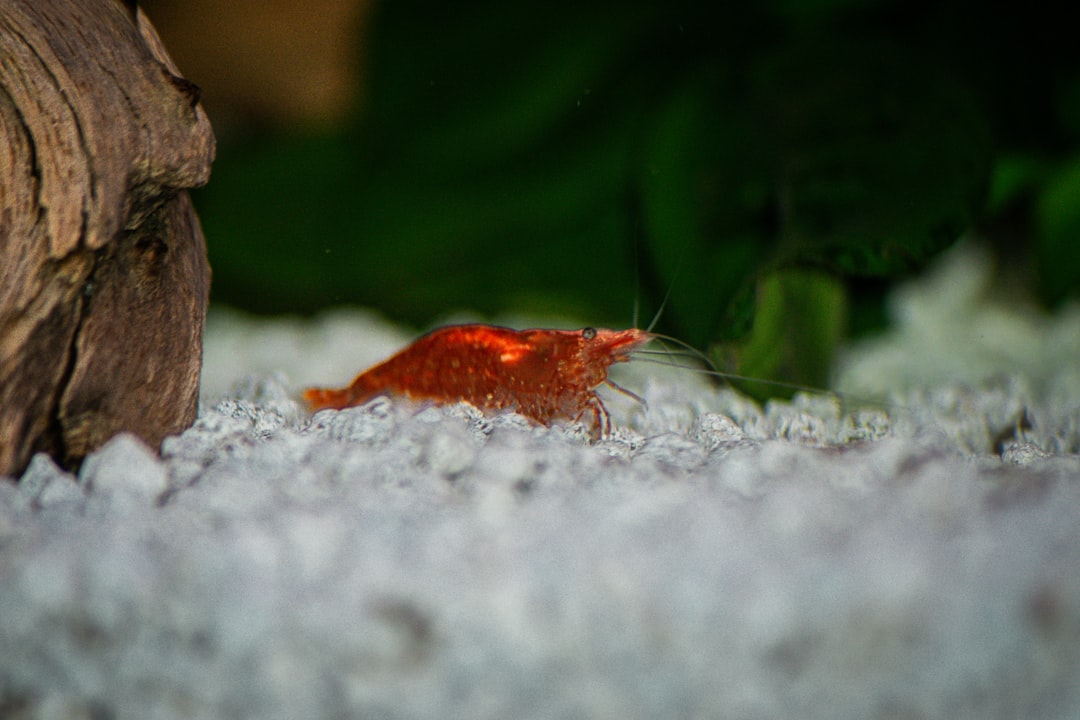
Most ornamental shrimp collapse the moment salinity climbs past SG 1.003, which leaves brackish keepers searching narrowly for invertebrate cleanup crew. The good news: a handful of species genuinely tolerate light salt, and amano leads that list because of its amphidromous life history. The brackish shrimp amano question — how much salt, how long, what alternatives — comes up constantly in our shop conversations. This guide from Gensou Aquascaping at 5 Everton Park covers the tolerance windows, lifespan implications and stocking notes for each viable option.
Why Amano Tolerates Salt
Wild Caridina multidentata are amphidromous: adults breed in freshwater streams across Japan and Taiwan, larvae drift downstream into estuaries and brackish coastal water, and juveniles migrate back upstream once metamorphosis completes. This larval phase requires SG 1.015-1.020. Adults retain enough larval-stage salinity tolerance to handle SG 1.005-1.010 indefinitely, and brief exposure to SG 1.015 for a few weeks does not kill them.
Amano in Mild Brackish Setups
For SG 1.003-1.008 setups — typical mild brackish for sailfin mollies or orange chromides — adult amanos thrive. Algae-grazing efficiency stays high, and the slight salinity actually reduces parasite load on the shrimp themselves. Above SG 1.010, mortality climbs over weeks rather than days. They will not breed in captive freshwater or brackish without dedicated larval rearing salinity ramps.
Sulawesi Cardinal Shrimp
Cardinal shrimp (Caridina dennerli) come from Lake Matano and Lake Towuti in Sulawesi — hard, alkaline lakes at pH 7.8-8.5 that share several parameters with mild brackish. They tolerate SG up to 1.003 short-term but are not true brackish species. Use them in hard alkaline biotopes rather than salty estuarine setups; their colour and breeding response collapse above SG 1.005.
Bumblebee Shrimp Salinity
Bumblebee shrimp (Caridina serrata complex) handle SG up to 1.005 short-term but breeding ceases above SG 1.002. They are practical only in transitional or low-end brackish, never in setups targeting SG 1.010+. Useful as cleanup in fresh-to-brackish hybrid scapes alongside live plants from the decoration and substrate range.
Opae Ula and Other Specialists
Halocaridina rubra — the Hawaiian opae ula — is the genuinely brackish-native option, thriving at SG 1.010-1.018 and living 20+ years in stable jars. It does not graze algae aggressively the way amanos do, but as a low-maintenance brackish invertebrate it is unmatched. Stock at 10-15 individuals per 10 litres and skip filtration entirely.
Acclimation Protocol
Drip-acclimate any shrimp moving into brackish over 90-120 minutes minimum. Fast salinity changes cause osmotic shock that kills within hours. Pre-mix the destination salinity using marine salt from the marine saltwater range and let the bag sit in the receiving tank water for 30 minutes before opening, equalising temperature.
Feeding in Brackish
Shrimp grazing slows in brackish setups because algae growth patterns shift toward film and diatoms rather than green hair. Supplement with sinking algae wafers, blanched courgette and dedicated shrimp food. The fish food range stocks crustacean-specific pellets that hold shape in saline water without dissolving instantly.
Tank Mate Compatibility
Brackish-tolerant fish that ignore shrimp: bumblebee gobies, knight gobies (large adults will eat smaller shrimp), orange chromides as juveniles. Predator pressure is the limiting factor — brackish shrimp survive only where fish are too small or too herbivorous to bother them. Always provide moss, driftwood crevices and dense plant cover regardless of stocking.
Singapore Sourcing
Amano shrimp are common at SGD 1.50-3 each at Pasir Ris specialist shops and C328 Clementi. Buy 2-3 cm adults rather than juveniles — they survive brackish transition far better. Opae ula are imported sporadically through Carousell sellers at SGD 4-8 each; quality conditioner from the water care range is essential during acclimation.
Related Reading



