
Top 10 Aquarium Bottom Dweller Roundup: Substrate Sifters
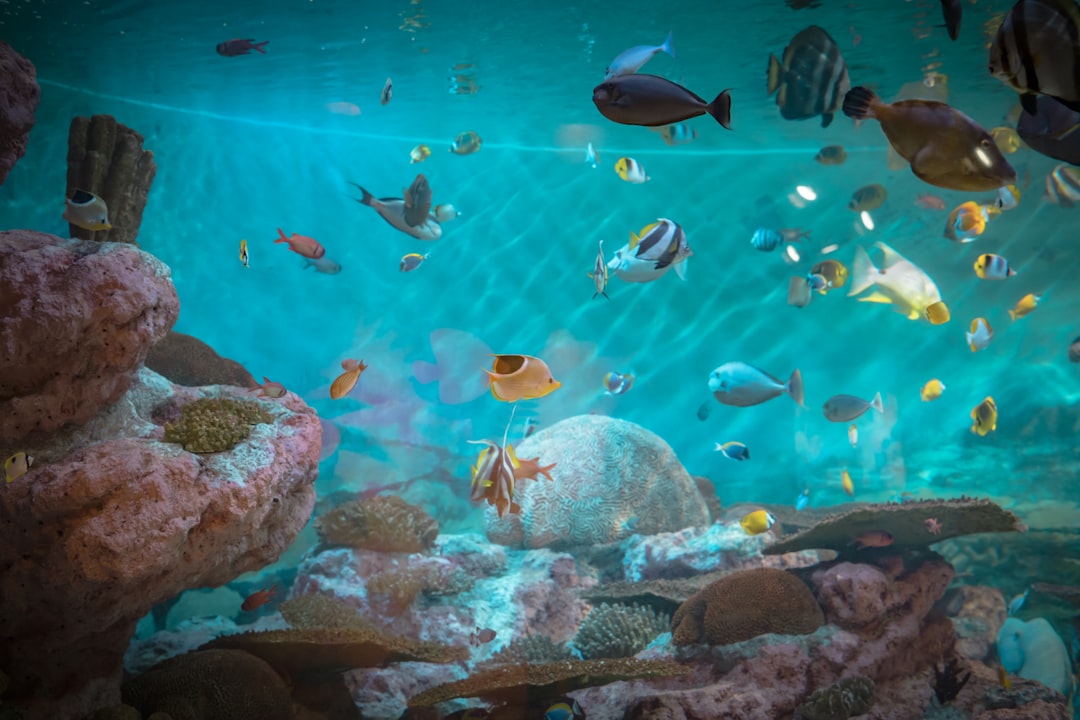
The substrate level is often the most under-utilised real estate in a community tank — most aquarists stock it last and pick the same two species year after year. The top 10 aquarium bottom dwellers ranked here range from the substrate-sifting Geophagus to nocturnal kuhli loaches and the ever-reliable bristlenose pleco. This roundup from Gensou Aquascaping at 5 Everton Park covers picks suited to tanks from 60 to 400 litres. Each top 10 aquarium bottom dwellers entry covers adult size, group requirement and the substrate type that prevents barbel injury or sucker damage. Bottom dwellers eat the food that mid-water and surface fish miss but they need dedicated sinking pellets in heavily-stocked tanks where surface feeders dominate. Skip the assumption that bottom dwellers survive on scraps alone — most species need targeted feeding to maintain weight. Bottom-zone stocking density is also easy to overshoot in HDB-friendly tanks; pick one substrate-grubbing species and one cave dweller rather than three competing groups in the same lower water column.
1. Corydoras Sterbai (Corydoras sterbai)
The warm-tolerant cory that thrives at Singapore ambient. White-spotted black body, 6cm adults, group of six minimum. Iwarna prices captive-bred sterbai at SGD 8-15 each. They forage day and night across fine sand or smooth gravel from the decoration substrate range. Avoid sharp gravel — barbel damage is the most common cory health issue.
2. Kuhli Loach (Pangio kuhlii)
Eel-shaped banded substrate dwellers active mostly at night. Adults reach 10cm but stay slim. Group of five minimum. C328 and most local fish shops stock kuhlis at SGD 3-6 each. Provide multiple cave structures for daytime hiding to prevent stress.
3. Hillstream Loach (Sewellia lineolata)
The substrate-clinging algae grazer that demands cool 22-25°C water and high oxygen flow. Adults stay 6cm. Specialist shops list captive-bred hillstreams at SGD 18-30 each. Chiller required in Singapore unless ambient drops naturally during cooler monsoon months.
4. Dojo / Weather Loach (Misgurnus anguillicaudatus)
30cm cool-tolerant loach that surfaces and somersaults before storm fronts. Petopia stocks albino and wild dojos at SGD 8-15. Outdoor tub friendly. They eat snails enthusiastically — useful for Malaysian trumpet outbreaks but skip them with mystery or rabbit snails.
5. Bristlenose Pleco (Ancistrus sp.)
The 12cm catfish that genuinely eats algae. Single specimen in 90-litre tanks; pairs in 200-litre and above. Iwarna and C328 list captive-bred bristlenose juveniles at SGD 8-15. They produce significant waste; pair with a QANVEE Bio Sponge Filter alongside a canister.
6. Geophagus (Geophagus sp.)
The eartheater that mouths sand for food particles, releasing it through gill rakers. Adults reach 25cm. Tapajos, Altifrons and Surinamensis are the local market mainstays. Iwarna lists Geophagus at SGD 25-60 each for juveniles. 300-litre tank, group of five for natural behaviour.
7. Eartheater (Satanoperca jurupari)
The other South American eartheater — long snout for sand-sifting feeding. Adults reach 25cm. C328 stocks jurupari at SGD 25-50. They are peaceful for a cichlid, suiting community tanks with rainbowfish and tetra schools above 300 litres.
8. Hoplo Catfish (Megalechis thoracata)
The armoured cousin of the corydoras family. Adults reach 18cm. They build bubble nests at the surface during breeding — unusual for substrate dwellers. Specialist Iwarna imports run SGD 12-25 each. Provide fine sand because the long barbels resemble cory anatomy and damage similarly on rough substrate.
9. Banjo Catfish (Bunocephalus coracoideus)
The flat-bodied ambush predator that buries entirely in sand for days. Adults reach 12cm. Specialist Carousell breeders list banjo catfish at SGD 18-30. Nocturnal feeders requiring sinking pellets dropped after lights-out from the fish food range.
10. Synodontis Upside-Down Catfish (Synodontis nigriventris)
Swims inverted — feeds from the underside of leaves and surfaces. Adults reach 9cm. Group of three minimum. Iwarna stocks nigriventris at SGD 12-25 each. They occupy the substrate-to-mid-water column rather than strict bottom-dwelling, providing visual interest for hobbyists wanting movement at multiple tank levels.
Related Reading



