
Banjo Catfish Care Guide: The Flat and Bizarre Bottom Dweller
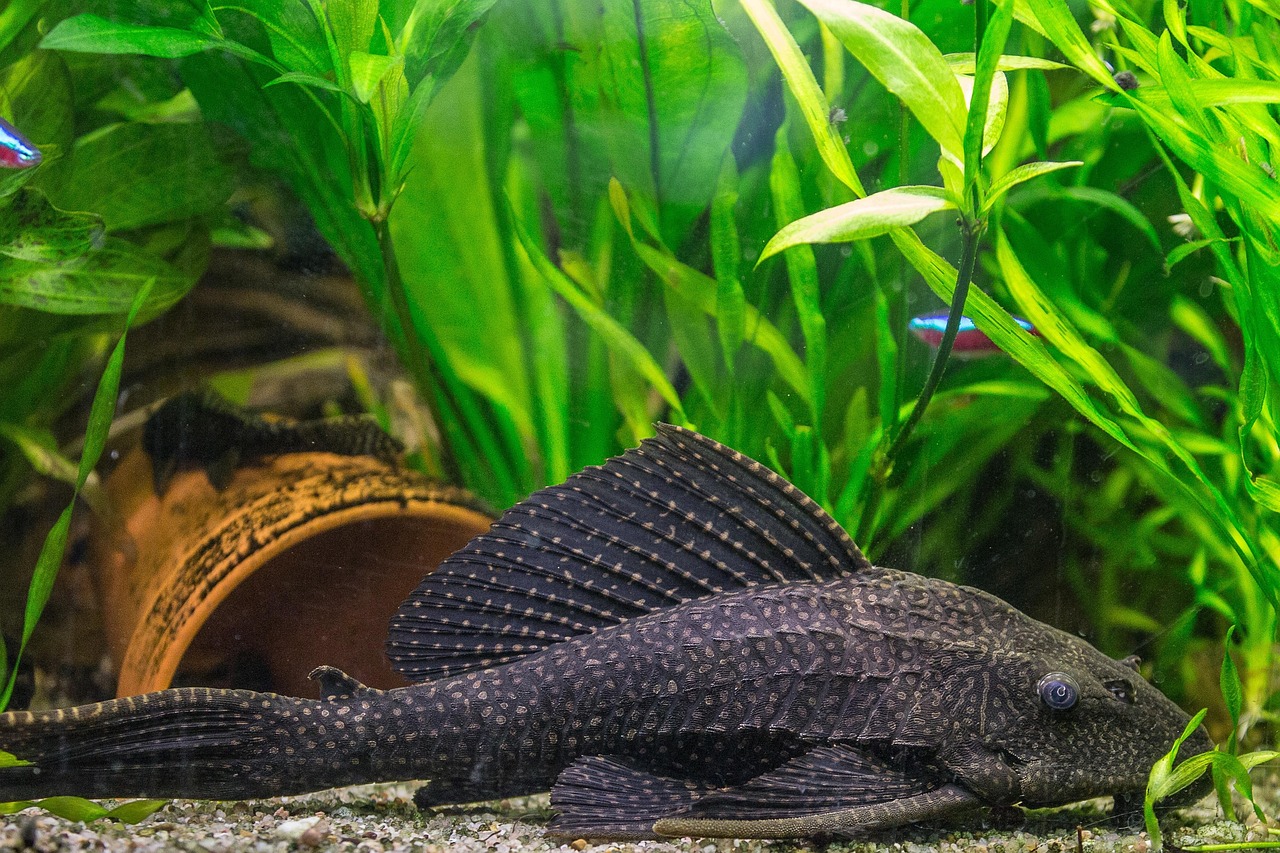
This banjo catfish care guide covers one of the most unusual and fascinating bottom-dwelling fish in the freshwater hobby. At Gensou Aquascaping, located at 5 Everton Park in Singapore, we find the banjo catfish endlessly intriguing for its bizarre shape, cryptic behaviour, and effortless camouflage abilities.
Species Overview and Origins
Banjo catfish belong to the family Aspredinidae, with the most commonly kept species being Bunocephalus coracoideus. They are native to slow-moving rivers, streams, and floodplain habitats across South America, particularly in Brazil, Bolivia, and Peru. Their common name derives from their flattened, elongated body shape that resembles a banjo or guitar. Adults typically reach 12 to 15 centimetres in length. Their mottled brown colouration and textured skin allow them to blend seamlessly into the substrate.
Tank Size and Substrate Requirements
A single banjo catfish can be housed in a tank of 80 litres or more, though a group of three to four will require at least 150 litres. The most critical element of their setup is the substrate. Fine sand is essential, as banjo catfish spend their days buried with only their eyes protruding above the surface. Coarse gravel is unsuitable and can damage their delicate skin. A layer of dried leaves scattered over the sand adds to the natural appearance and provides additional cover. Keep the aquascape simple with driftwood and low-light plants.
Water Parameters for Banjo Catfish
Banjo catfish are adaptable and tolerate a reasonable range of water conditions. A pH between 6.0 and 7.5 and a temperature between 22 and 26 degrees Celsius suit them well. In Singapore, the naturally warm climate means you may need to ensure temperatures do not climb too high during the hottest months, as these fish prefer the cooler end of the tropical range. Moderate filtration with gentle flow is ideal, and weekly water changes of 20 to 25 per cent maintain good water quality.
Feeding the Banjo Catfish
Banjo catfish are nocturnal predators that feed primarily on small invertebrates in the wild. In captivity, they accept sinking pellets, frozen bloodworms, tubifex worms, and brine shrimp. Feeding should be done after lights-out to align with their natural activity cycle. They are slow, deliberate feeders and may be outcompeted by faster tank mates, so ensure food reaches the substrate where they can access it. Live blackworms are a particularly relished treat that stimulates natural hunting behaviour.
Behaviour and Activity Patterns
Banjo catfish are among the most sedentary fish in the hobby. They spend the vast majority of their time motionless, buried in the substrate. New keepers are often alarmed by this inactivity, but it is entirely normal. They become active at night, emerging to forage along the bottom. Their camouflage is so effective that owners frequently struggle to locate them in the tank. Despite their stillness, they can move with surprising speed when disturbed or when food is detected.
Compatible Tank Mates
Due to their peaceful and reclusive nature, banjo catfish coexist with nearly any non-aggressive species. Suitable tank mates include small tetras, rasboras, Corydoras, peaceful dwarf cichlids, and most community fish. Avoid keeping them with large, aggressive bottom dwellers that might harass them or compete aggressively for food. Their cryptic lifestyle means they have virtually no impact on other tank inhabitants. However, very small shrimp or fry may be consumed, as banjo catfish are opportunistic nocturnal feeders.
Health and Common Issues
Banjo catfish are generally hardy when provided with appropriate conditions. Their main vulnerability is skin infections or irritation caused by unsuitable substrate. Always use fine sand rather than gravel. They can also be sensitive to medication, particularly copper-based treatments, so exercise caution when treating the main tank. As scaleless fish, they require careful acclimatisation to any changes in water chemistry. In Singapore’s humid conditions, ensure the tank is well-covered to maintain stable temperature and prevent evaporation.
Is the Banjo Catfish Right for You?
The banjo catfish is not a fish you buy for constant visual entertainment. It is a species for those who appreciate the unusual and enjoy knowing that a masterfully camouflaged creature lies hidden within their aquascape. For keepers who value biological curiosity over flashy displays, few fish are as rewarding. If you are intrigued by the banjo catfish and want advice on setting up a suitable habitat, the team at Gensou Aquascaping is happy to guide you through the process.
Related Reading



