
Takashi Amano Aquascape History Deep Guide: Nature Aquarium Origin
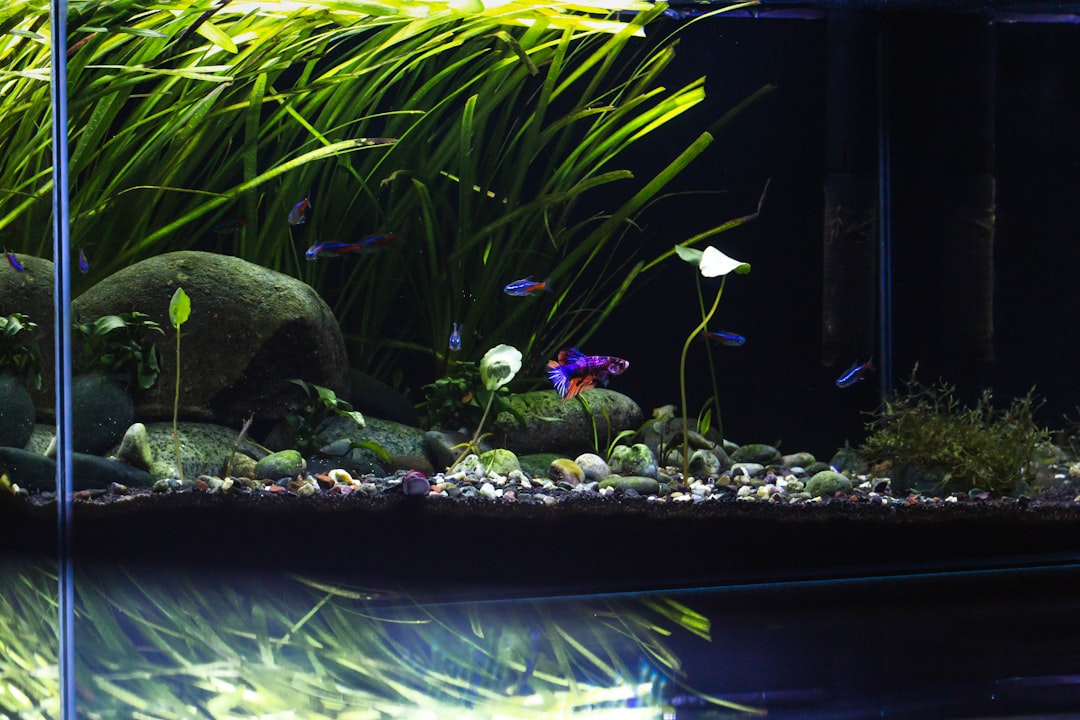
The modern aquascape exists because one Japanese photographer decided to translate the principles of forest landscape and the wabi-sabi aesthetic into a glass tank in the early 1980s. The takashi amano aquascape history is the foundational story every serious planted-tank hobbyist learns, because the man’s work, his company ADA, and the IAPLC contest he founded in 2001 set the design vocabulary the entire global hobby still uses. This deep-dive from Gensou Aquascaping at 5 Everton Park traces the biography, the influences, the technical breakthroughs and the legacy that continues to shape our shop floor.
Early Life and Photographic Roots
Takashi Amano was born in Niigata, Japan in 1954. Before aquascaping, he was a competitive cyclist and a professional landscape photographer specialising in old-growth forests of Borneo, Patagonia and the Amazon. His decades photographing primary forests trained the eye that would later compose nature aquariums — natural light, asymmetric balance and the play between negative space and dense vegetation.
Founding Aqua Design Amano (ADA) in 1982
Amano established ADA in 1982 in his hometown of Niigata, beginning with a small line of glass tanks and what would become the iconic Lily Pipe outflow. The early ADA catalogue had no other ambition than to support his own photography subjects. By the late 1980s, the brand had grown into a full equipment ecosystem with dedicated substrates, lighting, CO2 and fertilisers.
The Nature Aquarium Concept
Amano’s central philosophical contribution was the Nature Aquarium — a planted tank that imitates the spirit, not the literal copy, of a natural landscape. Rocks suggest mountains, wood suggests fallen trees, and densely planted carpets suggest forest understory. The aim is suggestion through composition, not imitation through specimens. This philosophy decoupled aquascaping from Dutch-style horticultural display and created the dominant global aesthetic still in use today.
Iwagumi: The Signature Style
Iwagumi (literally “rock formation”) arranges three or more odd-numbered stones in mountain-style composition, typically with a single carpet plant such as Glossostigma elatinoides or Hemianthus callitrichoides. Amano’s Iwagumi tanks are characterised by extreme economy — fewest plants species, fewest hardscape elements, maximum impact through proportion. Practitioners chasing the look need clean substrate from the substrate range and patience for the carpet to fill in over months.
IAPLC: Founding the World Contest in 2001
In 2001 Amano launched the International Aquatic Plants Layout Contest (IAPLC), creating the first truly global aquascape competition. The contest grew from a few hundred entries to over 2000 submissions by the mid-2010s, with judges spanning Japan, Europe, the United States and Southeast Asia. IAPLC effectively became the Olympics of aquascaping and remains the contest that confers the highest international prestige.
Signature Tank: The 90cm Sumida
The 90 by 45 by 45cm tank became the de facto standard for serious aquascapers because Amano demonstrated repeatedly that the dimensions offered ideal proportions for hardscape composition and viewing. The Sumida Aqua Garden in Tokyo houses a rotating collection of these displays. Visitors to the gallery learn more about composition in two hours than from years of online study.
Legacy Books and Photography
Amano’s three-volume “Nature Aquarium World” series (1992-1994) remains the foundational text for the aesthetic, with photographs that influenced an entire generation. Later books “Aquatic Plant Paradise” (1997) and “The World’s Best Aquascapes” (2014) extended the canon. Original copies are collector items, with first editions trading at SGD 150-400.
Death in 2015 and Continuing Influence
Amano died in August 2015 of pneumonia, aged 61. ADA continues under his designated successors with the original design language preserved. His final masterwork — a 40-metre planted display at the Lisbon Oceanarium — opened posthumously in 2015 and is the largest nature aquarium ever constructed. The aquatic plants and CO2 systems commonly used today owe their specifications to the standards he set.
How His Influence Shows in Singapore Tanks
Walk any IAPLC-aspiring Singapore aquascaper’s home and you will see Amano’s fingerprints — Iwagumi triangles, Seiryu stone foregrounds, ADA Aqua Soil Amazonia substrate, Lily Pipe outflows, and meticulous water polish. The local aquarium tanks people buy at 90cm or 60cm dimensions trace directly to his published proportions.
Related Reading



