DIY Ricefish Bowl Kids Tutorial Guide: 5L Glass Bowl Setup
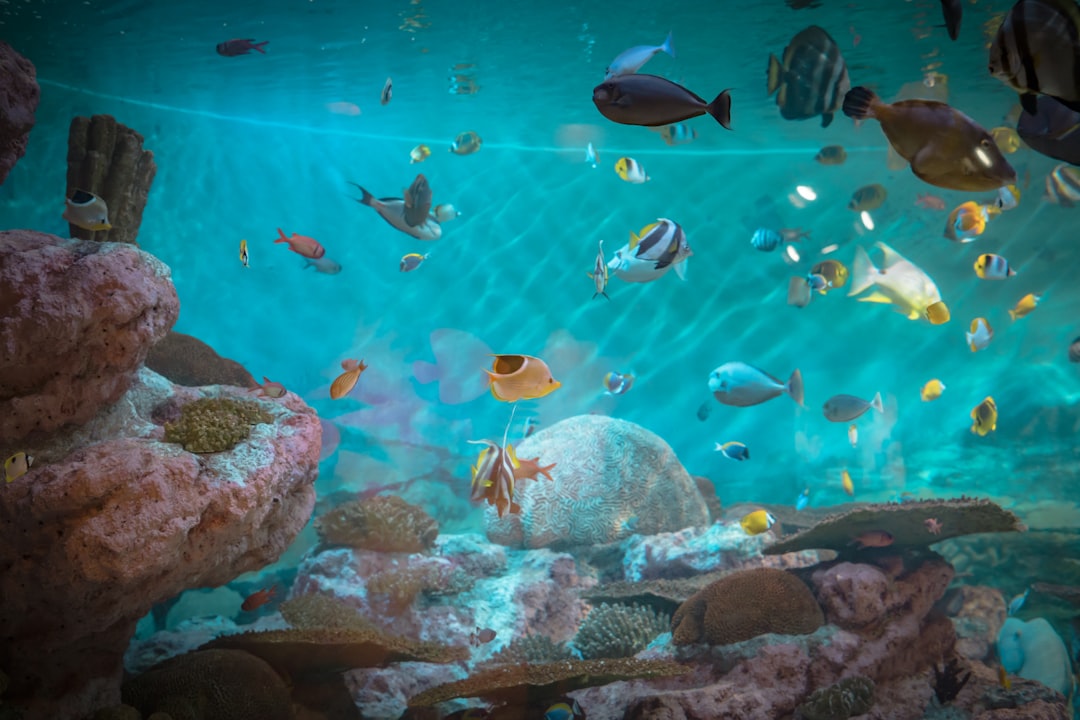
A 5-litre glass bowl with three live plants and a small school of medaka ricefish makes one of the gentlest first aquariums for a child — alive, low-maintenance, and forgiving of the early-stage feeding mistakes every kid makes. This diy ricefish bowl kids tutorial from Gensou Aquascaping at 5 Everton Park lays out the build, the realistic limits, and the parent-supervised maintenance routine that keeps the bowl healthy for a full school year. Total cost lands near SGD 35 including five medaka. The diy ricefish bowl kids setup is also a useful educational tool for teaching nitrogen-cycle basics — but understand it is not a substitute for a properly filtered tank.
Materials and Tools
Pick up a wide-mouthed 5L glass bowl from Daiso or IKEA at SGD 8-12, a 1kg bag of fine inert sand at SGD 3, a small portion of decorative gravel at SGD 4, two java fern plantlets at SGD 5 each, a monte carlo carpet portion at SGD 6, five medaka ricefish at SGD 2 each, and a bottle of API Stress Coat at SGD 9. Optional: a small clip-on LED at SGD 12 for indoor placement away from windows.
Why a Ricefish Bowl Works
Japanese ricefish (Oryzias latipes) evolved in shallow rice paddies — wide, shallow, oxygen-rich water that rarely exceeds 30cm depth. A 5L bowl mimics this habitat surprisingly well. Their small size (3-4cm adults), tolerance of warm Singapore room temperatures (24-30°C), and gentle behaviour make them safe for kids to watch closely. Live plants oxygenate the water and process some waste, but the bioload still requires weekly partial water changes.
Honest Limits Up Front
Five medaka is the absolute maximum for 5L. A betta does not belong in a bowl despite shop displays — bettas need 20L heated tanks. Goldfish are catastrophic in a bowl and grow to 20cm with industrial waste loads. Neon tetras, guppies, and other commonly suggested “starter” fish need filtration the bowl cannot provide. Stick to medaka or rule out the bowl entirely.
Step One: Rinse Substrates
Pour the sand into a colander and rinse under tap water until run-off runs clear — usually 5-10 minutes. Repeat for the gravel. Skipping this step gives you a permanently cloudy bowl. This is also a good first lesson for the child: explain why dust must be removed before adding fish.
Step Two: Layer the Bowl
Spread 2cm of sand across the bowl floor as the base layer for plant roots. Add a thin scatter of decorative gravel on top for visual texture. Place a small piece of driftwood or smooth stone in the centre as a focal point. Avoid sharp pebbles that can scratch the soft mouths of medaka if they sift the substrate.
Step Three: Plant the Bowl
Anchor java fern to a small stone or wedged into the gravel — never bury its rhizome. Place the monte carlo portion at the front to spread as a low carpet. Both plants tolerate the moderate light from a window or clip-on LED. Plants from the aquarium plants range at Gensou are pre-quarantined for snail eggs.
Step Four: Fill and Treat
Fill the bowl with conditioned tap water — add Stress Coat at the bottle’s recommended dose. Singapore PUB tap water is soft and slightly acidic, well-suited to medaka, but the chloramine must always be neutralised before adding fish. Let the water sit for 24 hours to stabilise temperature and dissolve oxygen.
Step Five: Cycle Before Stocking
The bowl needs at least one week of plant-only growth before fish go in. This allows beneficial bacteria to begin colonising plant surfaces and substrate. Skipping the cycle stresses fish and triggers ammonia spikes within days. Test water with a basic ammonia kit before adding livestock — readings should be zero.
Step Six: Add the Fish
Drip-acclimate the medaka over 20 minutes — float the bag in the bowl water for 10 minutes to match temperature, then add a tablespoon of bowl water to the bag every 2 minutes. Net the fish into the bowl rather than pouring shop water in. Allow them 24 hours to settle before the first feed.
Daily and Weekly Routine for Kids
Make the child responsible for: a single small feed daily (a pinch of micro-pellets, no more than fish can eat in 60 seconds), checking the water level, and a 30 per cent water change every Saturday using conditioned water and a turkey baster for the bottom debris. Adults should oversee the water change for the first month. A simple JBL ProNovo Bel Grano works for daily food.
Educational Tie-Ins
The bowl teaches: how plants make oxygen (look for bubbles on leaves under bright light), why fish wastes need to be diluted, and how ecosystems balance. Photograph the bowl monthly to show the child how plants grow and fish develop. Most kids who care for a medaka bowl successfully are ready for a 30L tank within a year.
Related Reading