
Myth: Fish Have 3 Second Memory Debunked Guide
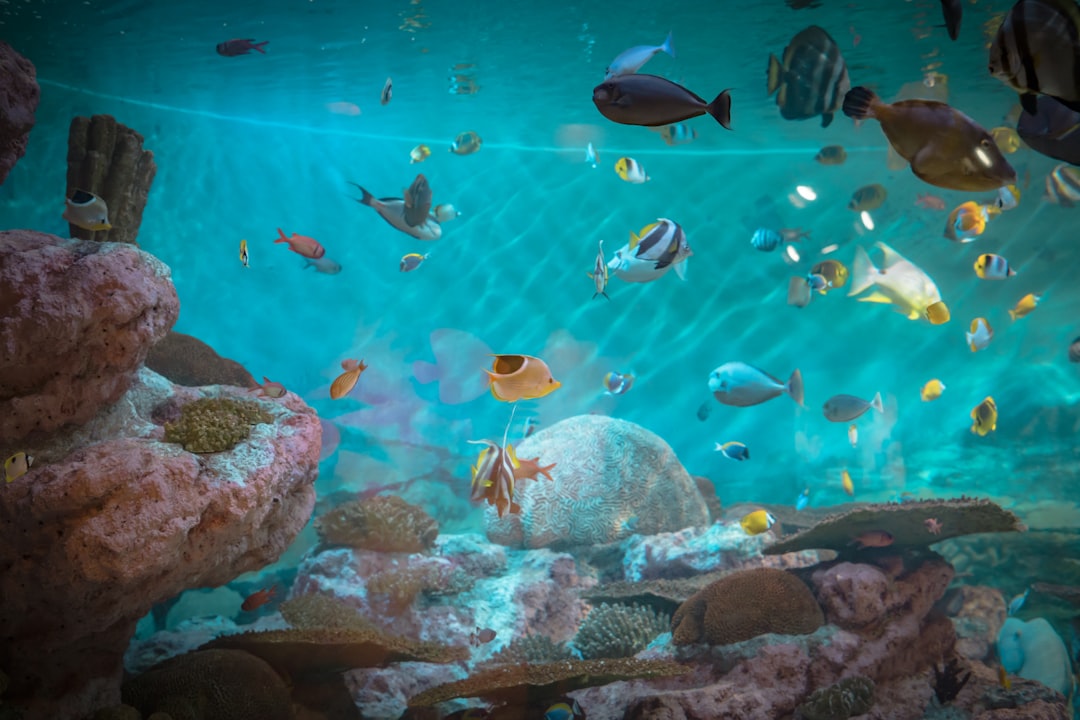
A child watches Finding Nemo, hears Dory mention her short memory, and a generation grows up convinced that fish forget everything within three seconds. The myth fish memory excuses cramped bowls, irregular feeding schedules and minimal enrichment because — the thinking goes — the fish would not remember any of it anyway. This guide from Gensou Aquascaping at 5 Everton Park works through what neuroscience actually says about fish cognition, where the three-second number came from, and why the myth fish memory matters for husbandry standards. The fish in your tank remembers far more than you assume.
The Myth in Plain Terms
The version most people grew up with claims fish — particularly goldfish — have a memory span of three seconds, sometimes phrased as “they forget the lap they just swam.” It implies fish lack the cognitive equipment for learning, recognition, or any form of long-term recall. By extension, the myth justifies minimal husbandry investment: why bother with enrichment, varied feeding, or social grouping if the fish reboots every few seconds?
Why the Myth Spreads
The claim has no traceable scientific origin — it appears to be 1990s pop-culture invention that crystallised after Pixar amplified it. It spread because it is convenient. Pet shops selling goldfish in tiny bowls leaned on it, parents soothing kids about dead fish leaned on it, and writers explaining away fish welfare concerns leaned on it. The harder the husbandry standard you wanted to dodge, the more useful the three-second memory line became.
The Reality of Fish Cognition
Decades of laboratory and field research show fish memory and learning are far more developed than the myth allows. Goldfish trained to push a lever for food retain the behaviour for at least three months without reinforcement. Carp avoid hooks they have been caught on for over a year. Cleaner wrasses recognise individual client fish across days and modify service quality based on past interactions. Archerfish have been shown to discriminate between human faces — a recognition task once thought to require primate-level cortex.
The Evidence From Aquarium Species
Your home tank delivers the proof daily. Fish learn feeding times within a week and gather at the front glass when they hear the lid open. Discus and oscars recognise individual owners and behave differently around strangers. Bettas remember the location of their bubble nest across multiple days. African cichlids remember dominance hierarchies for weeks after a single encounter. Even neon tetras maintain stable shoaling positions that require recall of individual conspecifics.
What This Means for Husbandry
If fish remember stress, they accumulate it. A goldfish kept in an unfiltered bowl is not blissfully forgetting the conditions every three seconds — it is chronically stressed, with cortisol-driven immunosuppression that shortens lifespan from a natural 15-25 years to two or three. Conversely, if fish remember positive associations, enrichment matters. Vary feeding locations, add target training using a chopstick tap, and rotate hardscape arrangements to deliver real cognitive engagement.
Practical Enrichment That Works
For larger fish like oscars, severums, and goldfish, target-train with a feeding stick from the feeding accessories range — five minutes daily over two weeks produces a fish that follows the stick reliably. For schooling species, vary the side of the tank where food enters to prevent learned-helplessness clustering. Plant heavily and add hardscape complexity so the fish has spaces to explore and recall — the decoration range at Gensou stocks driftwood and stone for the purpose.
Edge Cases Worth Mentioning
Memory does vary across species and individuals. Damselfish and small marines retain spatial memory shorter than freshwater cichlids. Aged or sick fish show clear cognitive decline, just as mammals do. And fish raised in barren environments perform worse on cognitive tests than enriched-tank counterparts — exactly the same neuroplasticity finding documented in mammals. None of this rescues the three-second myth.
Singapore Angle
The myth still influences local pet-shop bowl displays and undersized betta cup sales. Treating fish as cognitive animals reframes minimum husbandry expectations — proper tank volume, stable temperature, social grouping, and varied feeding from a quality fish food range. Your fish remembers. Make the memories worth keeping.
Related Reading



